Feeling stiff, achy, or just plain sluggish? In today’s fast-paced world, it’s easy to let physical well-being take a back seat. However, incorporating a regular full body stretch routine can be a game-changer for your overall health and vitality. This comprehensive guide explores the benefits of full body stretching, provides practical examples, and offers actionable tips to help you unlock your body’s full potential.
Why Full Body Stretching is Essential
Stretching goes far beyond simply touching your toes. It’s a crucial component of a healthy lifestyle, impacting everything from flexibility and posture to stress levels and injury prevention.
Benefits of Regular Stretching
- Increased Flexibility and Range of Motion: Regular stretching improves the elasticity of your muscles and connective tissues, allowing for a greater range of motion in your joints. This makes everyday activities easier and more comfortable.
- Reduced Muscle Tension and Pain: Stretching helps to release tension in your muscles, alleviating pain and stiffness, particularly in the neck, shoulders, and back. A study published in the “Journal of Physical Therapy Science” found that stretching significantly reduced muscle soreness after exercise.
- Improved Posture: Tight muscles can contribute to poor posture. By stretching, you can counteract these imbalances and improve your body alignment, leading to better posture and reduced back pain.
- Enhanced Circulation: Stretching increases blood flow to your muscles, delivering vital nutrients and oxygen, which aids in recovery and reduces inflammation.
- Stress Relief: Stretching can have a calming effect on the nervous system, promoting relaxation and reducing stress levels. The act of focusing on your body and breath during stretching can be a form of mindfulness.
- Injury Prevention: Flexible muscles are less prone to injury. Stretching prepares your muscles for physical activity by increasing their elasticity and reducing the risk of strains and tears.
Common Myths About Stretching
It’s important to debunk some common misconceptions about stretching.
- Myth: Stretching before exercise prevents injury. Static stretching (holding a stretch for an extended period) before exercise can actually decrease power output. Dynamic stretching (controlled movements through a range of motion) is generally recommended before physical activity.
- Myth: You need to feel pain to get results. Stretching should be comfortable and never painful. Pushing yourself too hard can lead to injury.
- Myth: Stretching is only for athletes. Everyone can benefit from stretching, regardless of their fitness level.
- Myth: The older you get, the less flexible you can be. While flexibility may naturally decrease with age, regular stretching can help maintain and even improve range of motion at any age.
Creating Your Full Body Stretch Routine
Designing an effective full body stretch routine requires considering your individual needs, limitations, and goals.
Key Principles of Stretching
- Warm-Up First: Never stretch cold muscles. A light warm-up, such as a brisk walk or jumping jacks, will increase blood flow and prepare your muscles for stretching.
- Proper Form: Focus on maintaining correct posture and alignment during each stretch. This maximizes effectiveness and minimizes the risk of injury.
- Controlled Movements: Avoid bouncing or jerky movements. Stretch slowly and deliberately, focusing on feeling the stretch in the target muscle.
- Breathing: Breathe deeply and evenly throughout each stretch. Exhale as you move into the stretch and inhale as you release.
- Hold Time: Hold each static stretch for 20-30 seconds. For dynamic stretches, perform 10-12 repetitions.
- Listen to Your Body: Pay attention to your body’s signals and stop if you feel any pain.
Sample Full Body Stretch Routine
Here’s a sample routine you can adapt to your fitness level:
Neck Tilts: Gently tilt your head to the side, bringing your ear towards your shoulder. Hold for 20-30 seconds. Repeat on the other side.
Neck Rotations: Slowly rotate your head, chin to chest, then gently to each shoulder. Avoid rotating the head backwards.
Cross-Body Shoulder Stretch: Bring one arm across your body and use your other arm to gently pull it closer. Hold for 20-30 seconds. Repeat on the other side.
Overhead Triceps Stretch: Reach one arm overhead and bend your elbow, bringing your hand towards your upper back. Use your other hand to gently pull your elbow further. Hold for 20-30 seconds. Repeat on the other side.
Cat-Cow Stretch: Start on your hands and knees. Inhale and arch your back like a cat, tucking your chin to your chest. Exhale and drop your belly towards the floor, lifting your head. Repeat 10-12 times.
Seated Spinal Twist: Sit on the floor with your legs extended. Bend one knee and place your foot outside the opposite knee. Twist your torso towards the bent knee, using your hand for support. Hold for 20-30 seconds. Repeat on the other side.
Butterfly Stretch: Sit on the floor with the soles of your feet together. Gently press your knees towards the floor. Hold for 20-30 seconds.
Pigeon Pose (Beginner): Start on your hands and knees. Bring one knee forward towards your wrist and angle your foot towards the opposite hip. Gently lower your hips towards the floor. Use a cushion under your hip if needed. Hold for 20-30 seconds. Repeat on the other side.
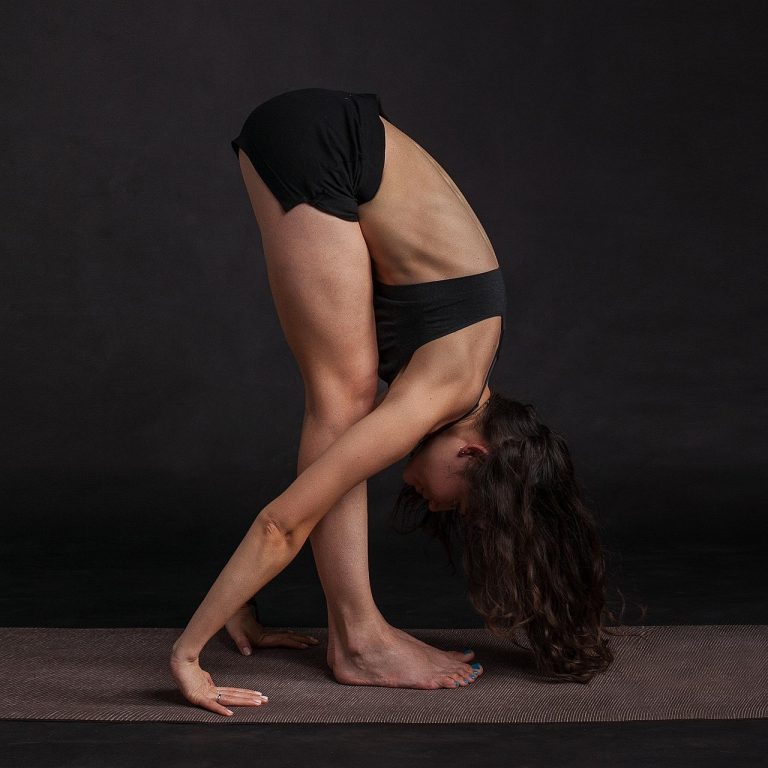
Hamstring Stretch (Standing or Seated): Extend one leg out in front of you and bend forward from your hips, keeping your back straight. Hold for 20-30 seconds. Repeat on the other side.
Quadriceps Stretch: Stand and grab one foot, pulling it towards your glutes. Keep your knees aligned and your back straight. Hold for 20-30 seconds. Repeat on the other side.
* Calf Stretch: Stand facing a wall, placing your hands on the wall for support. Step one leg back, keeping your heel on the ground. Lean into the wall until you feel a stretch in your calf. Hold for 20-30 seconds. Repeat on the other side.
Dynamic vs. Static Stretching: Knowing the Difference
Understanding the difference between dynamic and static stretching is crucial for optimizing your routine.
Static Stretching
- Definition: Holding a stretch in a stationary position for an extended period (20-30 seconds).
- Best Use: Ideal for cool-downs or separate stretching sessions to improve flexibility.
- Example: Holding a hamstring stretch by reaching towards your toes.
- Benefit: Improves flexibility and range of motion.
Dynamic Stretching
- Definition: Controlled movements that take your muscles through a full range of motion.
- Best Use: Recommended for warm-ups before exercise.
- Example: Arm circles, leg swings, torso twists.
- Benefit: Increases blood flow, warms up muscles, and prepares them for activity.
When to Use Each Type of Stretching
- Before Exercise: Focus on dynamic stretching to prepare your muscles for activity.
- After Exercise: Use static stretching to cool down and improve flexibility.
- Separate Stretching Sessions: Incorporate both static and dynamic stretches for overall flexibility and well-being.
Common Mistakes to Avoid
Stretching is generally safe, but certain mistakes can lead to injury or hinder your progress.
Overstretching
- Mistake: Pushing yourself too hard and stretching beyond your comfortable range of motion.
- Consequence: Muscle strains, tears, and other injuries.
- Solution: Stretch slowly and gently, stopping when you feel a comfortable stretch.
Bouncing
- Mistake: Using jerky or bouncing movements to try to increase the stretch.
- Consequence: Increased risk of muscle injury.
- Solution: Hold stretches in a static position or perform dynamic stretches with controlled movements.
Holding Your Breath
- Mistake: Holding your breath while stretching.
- Consequence: Increased muscle tension and reduced effectiveness of the stretch.
- Solution: Breathe deeply and evenly throughout each stretch.
Stretching Cold Muscles
- Mistake: Stretching without warming up your muscles first.
- Consequence: Increased risk of muscle injury.
- Solution: Perform a light warm-up before stretching.
Ignoring Pain
- Mistake: Pushing through pain while stretching.
- Consequence: Increased risk of injury.
- Solution: Stop stretching immediately if you feel any pain.
Integrating Stretching into Your Daily Life
Making stretching a habit requires incorporating it into your daily routine.
Tips for Consistency
- Schedule it: Set aside specific times each day or week for stretching, just like you would for any other important appointment.
- Combine it with other activities: Stretch while watching TV, listening to music, or during commercial breaks.
- Stretch at work: Take short stretching breaks throughout the day to combat stiffness and improve circulation. Simple desk stretches like shoulder rolls and neck tilts can make a big difference.
- Make it enjoyable: Choose stretches that you enjoy and that feel good to your body.
- Track your progress: Keep a journal or use a fitness app to track your stretching sessions and monitor your progress.
Sample Daily Stretching Schedule
- Morning: 5-10 minutes of dynamic stretches to wake up your muscles and improve circulation.
- Lunch Break: 5 minutes of seated stretches to relieve tension from sitting at a desk.
- Evening: 15-20 minutes of static stretches to relax your muscles and prepare for sleep.
Conclusion
Incorporating a regular full body stretch routine into your lifestyle can have a profound impact on your physical and mental well-being. From increasing flexibility and reducing muscle tension to improving posture and relieving stress, the benefits are undeniable. By following the principles outlined in this guide, avoiding common mistakes, and integrating stretching into your daily routine, you can unlock your body’s full potential and enjoy a healthier, more comfortable life. Start small, be consistent, and listen to your body – you’ll be amazed at the difference a little stretching can make.