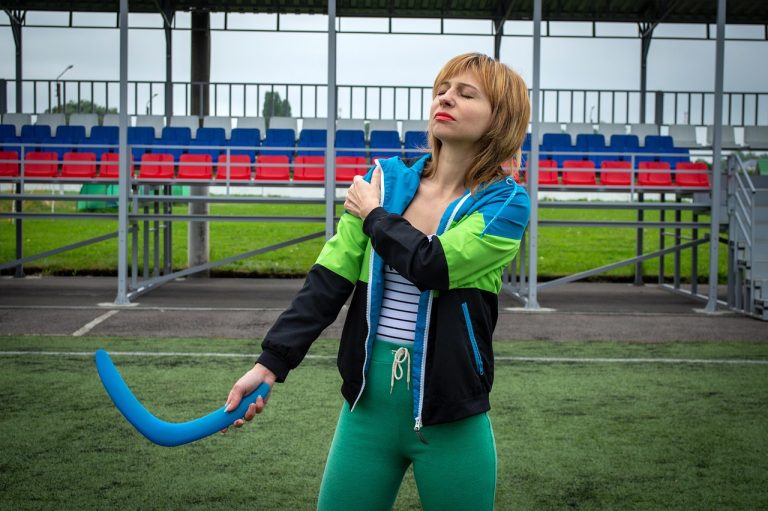
Movement is fundamental to a healthy and fulfilling life, but intense workouts, daily stressors, and even the simple act of aging can take their toll. Recovery isn’t just about resting; it’s an active process of restoring your body’s ability to move freely and efficiently. By understanding the principles of movement recovery and implementing effective strategies, you can minimize pain, enhance performance, and prevent future injuries. This guide will explore various aspects of movement recovery, providing you with practical tips and actionable steps to optimize your body’s natural healing processes.
Understanding Movement Recovery
Movement recovery encompasses a range of strategies and techniques aimed at restoring optimal function and minimizing pain after physical activity or injury. It’s not simply about resting; it’s a proactive approach to rebuilding strength, flexibility, and coordination.
The Importance of Active Recovery
While rest is essential, active recovery – low-intensity movement – can significantly enhance the recovery process.
- Increased Blood Flow: Active recovery promotes blood circulation, delivering vital nutrients and oxygen to damaged tissues, accelerating healing.
- Reduced Muscle Soreness: Light exercise helps clear metabolic waste products like lactic acid, reducing post-exercise muscle soreness (DOMS).
- Improved Flexibility: Gentle movements can maintain and improve flexibility, preventing stiffness and promoting a wider range of motion.
- Mental Benefits: Active recovery can also improve mood and reduce stress, contributing to overall well-being.
- Example: After a heavy leg day, instead of sitting on the couch, go for a 20-30 minute light walk or cycle. This will help flush out metabolic waste and reduce soreness.
The Role of Rest and Sleep
Sufficient rest and quality sleep are absolutely critical components of movement recovery. During sleep, your body releases growth hormone, which is essential for tissue repair and muscle growth.
- Hormone Regulation: Sleep regulates hormones like cortisol (stress hormone) and testosterone (muscle-building hormone), impacting recovery.
- Cellular Repair: The body dedicates its resources to repairing damaged tissues and replenishing energy stores during sleep.
- Cognitive Function: Adequate sleep improves cognitive function, reaction time, and focus, all essential for optimal performance.
- Recommendation: Aim for 7-9 hours of quality sleep each night. Create a relaxing bedtime routine to improve sleep quality. Minimize screen time before bed and ensure a dark, quiet, and cool sleep environment.
Nutrition for Movement Recovery
What you eat plays a crucial role in how quickly and effectively your body recovers after movement. Certain nutrients are essential for tissue repair, reducing inflammation, and replenishing energy stores.
Protein Intake for Muscle Repair
Protein is the building block of muscle tissue. Consuming adequate protein after exercise is crucial for muscle protein synthesis (the process of rebuilding and repairing muscle fibers).
- Essential Amino Acids: Protein provides essential amino acids, which the body cannot produce on its own, that are vital for muscle repair.
- Timing is Key: Consuming protein within 1-2 hours after exercise can maximize muscle protein synthesis.
- Complete Protein Sources: Include sources like lean meats, poultry, fish, eggs, dairy, and soy products in your diet.
- Example: A post-workout protein shake containing whey protein isolate or a grilled chicken breast with vegetables are excellent choices for promoting muscle recovery.
Hydration and Electrolytes
Dehydration can significantly hinder recovery by impairing nutrient delivery and waste removal. Electrolytes, such as sodium, potassium, and magnesium, are lost through sweat and are essential for maintaining fluid balance and muscle function.
- Replenish Fluids: Drink plenty of water throughout the day, especially before, during, and after exercise.
- Electrolyte Balance: Consider consuming electrolyte-rich drinks or foods, especially after intense workouts or in hot weather.
- Sodium Sources: Replenish sodium with lightly salted snacks or electrolyte tablets.
- Potassium Sources: Consume bananas, sweet potatoes, or coconut water for potassium.
- Magnesium Sources: Incorporate leafy green vegetables, nuts, and seeds for magnesium.
- Tip: Monitor your urine color. Pale yellow indicates good hydration, while dark yellow suggests dehydration.
Anti-Inflammatory Foods
Chronic inflammation can hinder recovery and increase the risk of injury. Incorporating anti-inflammatory foods into your diet can help mitigate inflammation and promote healing.
- Omega-3 Fatty Acids: Found in fatty fish, flaxseeds, and walnuts, omega-3s help reduce inflammation.
- Fruits and Vegetables: Rich in antioxidants, fruits and vegetables combat free radicals and reduce oxidative stress. Focus on berries, leafy greens, and colorful vegetables.
- Turmeric and Ginger: These spices contain potent anti-inflammatory compounds.
- Example: Add turmeric to your post-workout smoothie or enjoy a ginger tea to reduce inflammation.
Techniques for Movement Recovery
Beyond nutrition and rest, several techniques can be employed to accelerate movement recovery and enhance overall well-being.
Foam Rolling and Self-Massage
Foam rolling, also known as self-myofascial release, can help release muscle tension, improve flexibility, and reduce soreness.
- Targeted Pressure: Apply pressure to specific muscle areas to release knots and adhesions.
- Improved Circulation: Foam rolling increases blood flow to the targeted area, promoting healing.
- Reduced Muscle Stiffness: Regular foam rolling can improve flexibility and reduce muscle stiffness.
- How to: Roll slowly over each muscle group for 30-60 seconds, focusing on areas of tightness or discomfort. Examples of common areas to foam roll are quads, hamstrings, calves and back.
Stretching and Mobility Exercises
Stretching improves flexibility and range of motion, while mobility exercises enhance joint function and stability.
- Static Stretching: Holding a stretch for 30-60 seconds can improve flexibility and reduce muscle tension.
- Dynamic Stretching: Controlled movements through a full range of motion warm up muscles and improve mobility. Examples: Arm circles, leg swings, torso twists.
- Joint Mobilization: Targeted exercises to improve joint mechanics and reduce pain.
- Example: Before a run, perform dynamic stretches like leg swings and torso twists. After the run, perform static stretches like hamstring and calf stretches.
Cold and Heat Therapy
Applying cold or heat can help manage pain and inflammation.
- Ice Packs: Reduce inflammation and pain by constricting blood vessels. Apply ice packs for 15-20 minutes at a time. Useful immediately after activity for acute inflammation.
- Heat Packs: Increase blood flow and relax muscles. Apply heat packs for 15-20 minutes at a time. Useful for chronic pain and muscle stiffness.
- When to Use: Use ice for acute injuries and inflammation, and heat for chronic pain and muscle stiffness.
Active Release Techniques (ART)
ART is a manual therapy technique that addresses soft tissue restrictions and adhesions. It involves applying targeted pressure and movement to release tight muscles and improve range of motion. It’s best performed by a trained professional.
- Breaks Down Scar Tissue: ART helps break down scar tissue and adhesions that can restrict movement and cause pain.
- Restores Muscle Function: By releasing tight muscles, ART restores optimal muscle function and improves performance.
- Improved Flexibility and Range of Motion: ART can significantly improve flexibility and range of motion.
- Note: Seek out a certified ART practitioner for this technique.
Monitoring and Adjusting Your Recovery Plan
Movement recovery is not a one-size-fits-all approach. It’s essential to monitor your progress and adjust your recovery plan based on your individual needs and responses.
Listen to Your Body
Pay attention to your body’s signals and adjust your training and recovery accordingly.
- Pain Levels: Track your pain levels and avoid activities that exacerbate your pain.
- Fatigue Levels: Monitor your fatigue levels and adjust your training volume and intensity to avoid overtraining.
- Sleep Quality: Track your sleep quality and make adjustments to your sleep routine as needed.
Track Your Progress
Keep a journal to track your training, recovery strategies, and overall progress.
- Training Log: Record your workouts, including sets, reps, weight, and intensity.
- Recovery Strategies: Track the recovery techniques you use, such as foam rolling, stretching, and ice/heat therapy.
- Subjective Feedback: Note how you feel physically and mentally each day.
Seek Professional Guidance
Consult with a healthcare professional, such as a physical therapist, athletic trainer, or chiropractor, to develop a personalized recovery plan.
- Assessment and Diagnosis: A healthcare professional can assess your condition, identify any underlying issues, and provide an accurate diagnosis.
- Personalized Treatment Plan: They can develop a personalized treatment plan tailored to your specific needs and goals.
- Ongoing Support and Guidance:* They can provide ongoing support and guidance to help you stay on track with your recovery.
Conclusion
Movement recovery is an integral part of any fitness regimen or rehabilitation program. By understanding the principles of active recovery, prioritizing nutrition and hydration, and implementing targeted recovery techniques, you can optimize your body’s natural healing processes, minimize pain, enhance performance, and prevent future injuries. Remember to listen to your body, track your progress, and seek professional guidance when needed. By making movement recovery a priority, you can unlock your full potential and enjoy a healthier, more active life.