Stretching is often an overlooked component of overall fitness, yet it plays a vital role in improving flexibility, reducing injury risk, and enhancing athletic performance. A dedicated stretching session can lead to significant improvements in your daily life, from easing everyday movements to optimizing your workout routines. This comprehensive guide will walk you through the benefits of stretching, different types of stretches, how to incorporate stretching into your routine, and key considerations to ensure a safe and effective stretching session.
Understanding the Importance of Stretching
Stretching involves lengthening your muscles to increase flexibility and range of motion. Incorporating regular stretching sessions into your routine offers a plethora of benefits that contribute to overall well-being.
Benefits of Regular Stretching
- Improved Flexibility and Range of Motion: Stretching helps to lengthen muscle fibers, increasing the range of motion in your joints and making everyday movements easier.
- Reduced Muscle Soreness and Stiffness: Stretching after exercise can help to reduce muscle soreness and stiffness by promoting blood flow and flushing out metabolic waste products. A study published in the Journal of Strength and Conditioning Research found that stretching can significantly reduce delayed onset muscle soreness (DOMS).
- Enhanced Athletic Performance: Increased flexibility and range of motion can translate to improved athletic performance, allowing for more efficient movement and reducing the risk of injury.
- Reduced Risk of Injury: Flexible muscles are less susceptible to strains and tears. Regular stretching helps to prepare your muscles for activity and reduce the likelihood of injury.
- Improved Posture: Stretching can help to improve posture by lengthening tight muscles that contribute to poor posture, such as tight chest muscles that can lead to rounded shoulders.
- Stress Relief: Stretching can have a calming effect on the body and mind, reducing stress and promoting relaxation.
The Science Behind Stretching
When you stretch, you are essentially lengthening the muscle fibers and increasing the elasticity of the surrounding connective tissues. This process can improve blood flow to the muscles, which helps to nourish them and remove waste products. Furthermore, stretching can stimulate the nervous system, promoting relaxation and reducing muscle tension. Studies have shown that regular stretching can lead to significant improvements in flexibility and range of motion within just a few weeks.
Types of Stretching
Different types of stretching offer unique benefits and are best suited for different situations. Understanding the different types will help you design an effective stretching session.
Static Stretching
Static stretching involves holding a stretch in a fixed position for a period of time, typically 15-30 seconds. This type of stretching is often performed after a workout or as part of a cool-down routine.
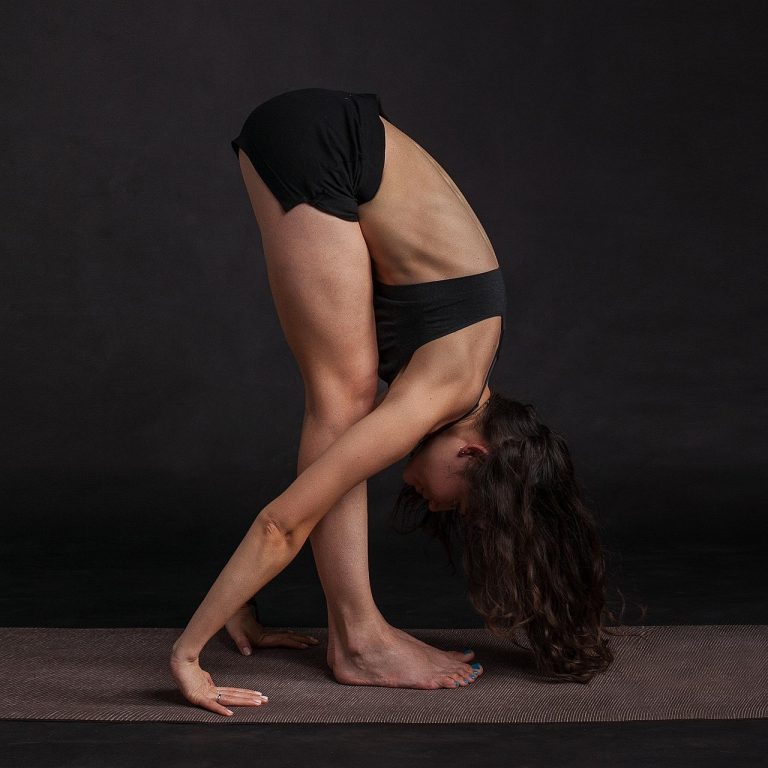
- Example: Holding a hamstring stretch by reaching towards your toes while seated or standing.
- Benefits: Improves flexibility and range of motion, promotes relaxation.
- Considerations: Avoid bouncing or forcing the stretch. Breathe deeply and hold the stretch comfortably.
Dynamic Stretching
Dynamic stretching involves controlled movements that gradually increase range of motion. This type of stretching is often performed before a workout as part of a warm-up routine.
- Example: Arm circles, leg swings, torso twists.
- Benefits: Increases blood flow to the muscles, prepares the body for activity, improves range of motion.
- Considerations: Focus on controlled movements and avoid jerky or ballistic movements.
Ballistic Stretching
Ballistic stretching involves bouncing or jerky movements to force a muscle beyond its normal range of motion. While it can increase flexibility, it also carries a higher risk of injury and is generally not recommended for beginners.
- Example: Bouncing while touching your toes.
- Benefits: (Potentially) increases flexibility rapidly.
- Considerations: High risk of injury. Generally not recommended. Best suited for advanced athletes under professional guidance.
PNF Stretching
Proprioceptive Neuromuscular Facilitation (PNF) stretching involves contracting and relaxing specific muscle groups to improve flexibility. This type of stretching often requires a partner.
- Example: Hamstring stretch where a partner helps you hold your leg in a stretched position, then you contract your hamstring against their resistance before relaxing and allowing them to stretch your leg further.
- Benefits: Can significantly improve flexibility and range of motion.
- Considerations: Requires a partner and proper technique.
Creating Your Stretching Session
Designing an effective stretching session involves considering your goals, fitness level, and available time. Here’s a step-by-step guide:
Warm-up
- Purpose: Prepare your muscles for stretching by increasing blood flow and raising muscle temperature.
- Examples: Light cardio such as walking, jogging, or jumping jacks for 5-10 minutes. Arm circles and leg swings are good too.
- Why it’s important: Stretching cold muscles can increase the risk of injury.
Targeted Stretching
- Focus: Choose stretches that target the muscle groups you want to improve. Consider the activities you’ll be performing. If you cycle a lot, focus on hamstrings, quads and hip flexors.
- Examples:
Hamstrings: Seated hamstring stretch, standing hamstring stretch.
Quadriceps: Standing quad stretch, lying quad stretch.
Calves: Standing calf stretch, seated calf stretch.
Shoulders: Cross-body shoulder stretch, overhead triceps stretch.
* Back: Cat-cow stretch, seated spinal twist.
Holding the Stretch
- Duration: Hold each static stretch for 15-30 seconds.
- Technique: Breathe deeply and relax into the stretch. Avoid bouncing or forcing the stretch. Listen to your body and stop if you feel pain.
- Repetitions: Repeat each stretch 2-3 times.
Cool-down
- Purpose: Gradually return your heart rate and body temperature to normal after exercise.
- Examples: Light cardio, followed by static stretching.
- Why it’s important: Helps to prevent muscle soreness and stiffness.
Common Stretching Mistakes to Avoid
Avoiding common mistakes ensures that your stretching session is both safe and effective.
Bouncing
- Why it’s harmful: Bouncing while stretching can trigger the stretch reflex, causing your muscles to contract and increasing the risk of injury.
- Instead: Hold the stretch in a fixed position and breathe deeply.
Overstretching
- Why it’s harmful: Pushing yourself too far can lead to muscle strains and tears.
- Instead: Stretch to the point of mild tension, not pain. Listen to your body and stop if you feel pain.
Holding Your Breath
- Why it’s harmful: Holding your breath can increase muscle tension and reduce blood flow.
- Instead: Breathe deeply and evenly throughout the stretch.
Stretching Cold Muscles
- Why it’s harmful: Stretching cold muscles can increase the risk of injury.
- Instead: Warm up your muscles before stretching.
Neglecting Specific Muscle Groups
- Why it’s harmful: Focusing only on certain muscle groups can lead to muscle imbalances and increase the risk of injury.
- Instead: Incorporate a variety of stretches that target all major muscle groups.
Integrating Stretching into Your Daily Routine
Consistency is key when it comes to reaping the benefits of stretching. Here are some tips for integrating stretching into your daily routine:
Schedule Dedicated Stretching Sessions
- Frequency: Aim for at least 2-3 stretching sessions per week.
- Timing: Schedule your stretching sessions at a time when you are most likely to stick to them, such as after a workout or in the evening before bed.
Incorporate Stretching into Your Warm-up and Cool-down
- Warm-up: Perform dynamic stretching before your workouts to prepare your muscles for activity.
- Cool-down: Perform static stretching after your workouts to promote recovery and reduce muscle soreness.
Take Short Stretching Breaks Throughout the Day
- Frequency: Take short stretching breaks every hour to reduce muscle tension and improve circulation.
- Examples: Shoulder rolls, neck stretches, wrist stretches.
Use Stretching as a Relaxation Technique
- Timing: Incorporate stretching into your bedtime routine to promote relaxation and improve sleep quality.
- Examples: Gentle yoga poses, deep breathing exercises.
Conclusion
Incorporating a dedicated stretching session into your routine can provide numerous benefits, from improving flexibility and reducing injury risk to enhancing athletic performance and promoting relaxation. By understanding the different types of stretches, avoiding common mistakes, and integrating stretching into your daily routine, you can unlock the full potential of this often-overlooked component of overall fitness. Remember to listen to your body, breathe deeply, and prioritize consistency to achieve long-term results. Make stretching a vital part of your wellness journey and experience the transformative power it holds.