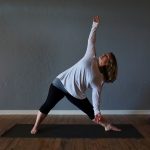
Unlocking the full potential of your body starts with understanding and optimizing your range of motion. Whether you’re an athlete striving for peak performance, recovering from an injury, or simply aiming to maintain a healthy, active lifestyle, range of motion is a crucial element. This article delves into the intricacies of range of motion, exploring its definition, factors that influence it, benefits, assessment methods, and effective strategies for improvement. Get ready to move with greater freedom and achieve your physical goals.
Understanding Range of Motion (ROM)
What is Range of Motion?
Range of motion (ROM) refers to the full movement potential of a joint, typically measured in degrees. It represents the extent to which a joint can move in different directions, such as flexion (bending), extension (straightening), abduction (moving away from the midline), adduction (moving towards the midline), rotation, and circumduction. ROM is essential for performing everyday activities, participating in sports, and maintaining overall physical function.
- Active Range of Motion (AROM): This is the range of motion a person can achieve using their own muscles. It indicates muscle strength, coordination, and willingness to move. For example, lifting your arm overhead without assistance is AROM.
- Passive Range of Motion (PROM): This is the range of motion that can be achieved when an external force, such as a therapist or machine, moves the joint. PROM is often greater than AROM because it bypasses muscle weakness or pain. For example, a physical therapist gently lifting your arm overhead is PROM.
Why is ROM Important?
Maintaining adequate ROM is vital for several reasons:
- Functional Movement: ROM allows you to perform everyday activities like walking, reaching, bending, and lifting without difficulty or pain.
- Injury Prevention: Good ROM ensures that your joints can handle stress and strain, reducing the risk of injuries such as sprains, strains, and dislocations.
- Performance Enhancement: For athletes, optimal ROM translates to better athletic performance, increased power, and greater agility.
- Pain Management: Limited ROM can contribute to pain and stiffness. Improving ROM can alleviate discomfort and improve quality of life.
- Joint Health: Regular movement through a full ROM helps to lubricate joints, nourish cartilage, and prevent stiffness and degeneration.
Factors Affecting Range of Motion
Anatomical Factors
The structure of your joints, muscles, ligaments, and tendons significantly influences your ROM.
- Joint Type: Different joints have different ROM capabilities. For instance, a ball-and-socket joint (like the hip) allows for a greater range of motion than a hinge joint (like the elbow).
- Muscle Flexibility: Tight or shortened muscles can restrict joint movement, limiting ROM. Flexible muscles allow for greater joint excursion.
- Ligament Laxity: Ligaments stabilize joints. Excessive laxity (looseness) can lead to instability and potential injury, while stiffness can restrict movement.
- Bone Structure: Bony obstructions or abnormalities can also limit ROM.
Physiological Factors
Various physiological factors also play a role in determining your ROM.
- Age: ROM generally decreases with age due to changes in collagen, cartilage, and muscle elasticity.
- Gender: Women tend to have greater ROM in certain joints, such as the hips and knees, due to hormonal influences and anatomical differences.
- Body Composition: Excess body fat can restrict movement and limit ROM, especially in joints like the hips and knees.
- Injury and Pain: Injuries, such as sprains, strains, and fractures, can significantly limit ROM. Pain can also cause muscle guarding, further restricting movement.
External Factors
External factors such as your environment and activities can affect your ROM.
- Temperature: Cold temperatures can cause muscles to tighten, reducing ROM. Warm temperatures can improve muscle flexibility and ROM.
- Activity Level: Sedentary lifestyles can lead to muscle stiffness and decreased ROM. Regular physical activity helps maintain and improve ROM.
- Posture: Poor posture can alter joint alignment and muscle length, leading to limited ROM and pain.
- Clothing and Equipment: Restrictive clothing or ill-fitting equipment can limit movement and impact ROM.
Benefits of Maintaining and Improving ROM
Physical Benefits
Enhancing your ROM offers numerous physical advantages.
- Increased Flexibility: Greater ROM results in improved flexibility, making everyday activities easier and more comfortable.
- Improved Posture: Optimal ROM allows for better body alignment, leading to improved posture and reduced strain on muscles and joints.
- Reduced Risk of Injury: Good ROM prepares your body for physical activity and reduces the risk of sprains, strains, and other injuries.
- Enhanced Athletic Performance: Athletes with excellent ROM can generate more power, move more efficiently, and perform at a higher level.
- Pain Relief: Improving ROM can alleviate pain and stiffness associated with conditions such as arthritis, back pain, and neck pain.
Psychological Benefits
The benefits of good ROM extend beyond the physical realm.
- Improved Body Awareness: Enhanced ROM increases your awareness of your body’s position and movement in space, leading to better coordination and balance.
- Increased Confidence: Being able to move freely and perform physical activities with ease can boost your self-esteem and confidence.
- Stress Reduction: Stretching and movement through a full ROM can help release tension and reduce stress levels.
- Improved Mood: Physical activity, including exercises that improve ROM, can stimulate the release of endorphins, which have mood-boosting effects.
- Enhanced Quality of Life: Maintaining good ROM allows you to participate more fully in life and enjoy a higher quality of life.
Assessing Your Range of Motion
Common Assessment Techniques
Various methods are used to assess ROM, each with its own advantages and limitations.
- Goniometry: This is the most common method for measuring ROM. A goniometer is a protractor-like instrument that measures the angle of a joint at its extreme ranges of motion. The therapist aligns the goniometer with bony landmarks of the joint being measured.
- Visual Estimation: A trained professional can visually estimate ROM by observing the patient’s movement. While less precise than goniometry, it provides a quick assessment of overall mobility.
- Inclinometry: Inclinometers use gravity to measure joint angles. They are often used for measuring spinal ROM.
- Motion Capture Systems: Advanced motion capture systems use sensors to track joint movement in three dimensions. These systems are highly accurate but expensive and typically used in research settings.
- Self-Assessment: While not as accurate as professional assessment, you can get a general idea of your ROM by performing simple movements and noting any limitations or discomfort. For example, try touching your toes or rotating your head from side to side.
Interpreting Results
Understanding the results of a ROM assessment is crucial for developing an effective treatment plan.
- Normal ROM: ROM values vary depending on the joint, age, and gender. Normative data is available to compare your results against the average for your demographic group.
- Limitations: Limitations in ROM can indicate muscle tightness, joint stiffness, injury, or other underlying conditions.
- Pain: Pain during ROM assessment can indicate inflammation, injury, or other musculoskeletal problems.
- Asymmetry: Differences in ROM between the left and right sides of the body can suggest imbalances or underlying issues.
Strategies for Improving Range of Motion
Stretching Exercises
Stretching is a fundamental technique for improving ROM.
- Static Stretching: Holding a stretch for 20-30 seconds allows the muscles to lengthen and relax. Example: Holding a hamstring stretch by reaching for your toes.
- Dynamic Stretching: Performing controlled movements through a full ROM prepares the muscles for activity and improves flexibility. Example: Arm circles, leg swings, or torso twists.
- Proprioceptive Neuromuscular Facilitation (PNF) Stretching: This technique involves contracting and relaxing muscles to achieve a greater stretch. Example: Contract-relax hamstring stretch.
Joint Mobilization Techniques
Joint mobilization techniques are performed by trained therapists to restore joint movement.
- Manual Mobilization: A therapist uses their hands to apply controlled forces to a joint, restoring normal joint mechanics.
- Mobilization with Movement (MWM): This technique involves performing a specific movement while a therapist applies a mobilization force to the joint.
Strengthening Exercises
Strengthening exercises support joint stability and improve muscle control throughout the ROM.
- Isometric Exercises: Contracting muscles without joint movement helps maintain muscle strength and stability.
- Concentric Exercises: Shortening muscles against resistance improves strength and power.
- Eccentric Exercises: Lengthening muscles under control strengthens the muscles and improves their ability to absorb force.
Self-Care and Lifestyle Modifications
Adopting healthy habits can also contribute to improved ROM.
- Regular Exercise: Incorporate a variety of exercises into your routine to maintain flexibility, strength, and joint health.
- Proper Posture: Practice good posture throughout the day to minimize strain on your joints and muscles.
- Warm-up and Cool-down: Always warm up before exercise and cool down afterward to prepare your muscles and prevent injury.
- Hydration: Staying hydrated helps keep your muscles and joints lubricated and flexible.
- Proper Nutrition: A balanced diet provides the nutrients necessary for muscle and joint health.
Conclusion
Optimizing your range of motion is a cornerstone of physical health, contributing to improved movement, reduced injury risk, enhanced athletic performance, and an overall better quality of life. By understanding the factors that influence ROM, utilizing effective assessment methods, and implementing targeted strategies like stretching, joint mobilization, and strengthening exercises, you can unlock your body’s full potential. Make ROM a priority in your fitness journey and experience the transformative benefits of moving with greater freedom and ease. Remember to consult with a healthcare professional or certified therapist for personalized guidance and to address any underlying conditions that may be limiting your ROM.