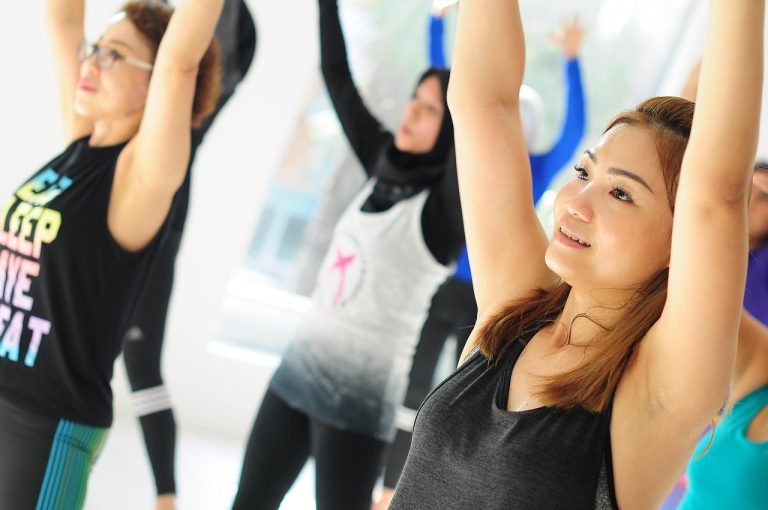
Striving for a body that feels strong, flexible, and balanced doesn’t always require intense gym sessions or complicated routines. Often, the simplest approach – incorporating targeted stretching and toning exercises – can be remarkably effective. “Stretch and tone” is more than just a fitness buzzword; it’s a holistic approach to well-being that improves flexibility, builds lean muscle, reduces stress, and enhances overall body awareness. This comprehensive guide will explore the benefits, techniques, and practical tips for incorporating stretch and tone into your daily life.
Understanding the Basics of Stretch and Tone
What Does “Stretch and Tone” Mean?
Stretch and tone focuses on lengthening and strengthening muscles simultaneously. It’s a gentler approach compared to high-intensity workouts, emphasizing controlled movements and mindful engagement. This method not only increases flexibility but also promotes lean muscle development, leading to a more sculpted and balanced physique. Think of it as building strength within flexibility, rather than bulky muscle mass.
- Stretching: Involves elongating muscles to improve range of motion, reduce stiffness, and enhance circulation.
- Toning: Focuses on strengthening muscles through resistance exercises that don’t necessarily build bulk. These exercises often involve bodyweight or light weights to improve muscle definition and endurance.
Benefits of a Stretch and Tone Routine
Integrating stretch and tone into your fitness regimen provides a plethora of benefits beyond aesthetics:
- Increased Flexibility: Regular stretching improves the range of motion in your joints, making everyday activities easier and reducing the risk of injury.
- Improved Posture: Strengthening core muscles and stretching tight areas helps correct postural imbalances, leading to better alignment and reduced back pain.
- Reduced Muscle Tension: Stretching helps release tension in muscles, alleviating stiffness and soreness, particularly after exercise.
- Enhanced Circulation: Stretching and toning exercises boost blood flow, delivering oxygen and nutrients to muscles and tissues.
- Stress Reduction: Mindful movement and deep breathing during stretch and tone routines can calm the nervous system and reduce stress levels.
- Improved Body Awareness: Focusing on your body’s movements and sensations enhances proprioception (your body’s awareness of its position in space), improving coordination and balance.
- Lean Muscle Development: Toning exercises help build lean muscle mass, which increases your metabolism and burns more calories at rest.
- Injury Prevention: Strong, flexible muscles are less prone to strains and sprains.
Essential Stretching Techniques for Flexibility
Types of Stretches
There are several types of stretches, each with its own advantages:
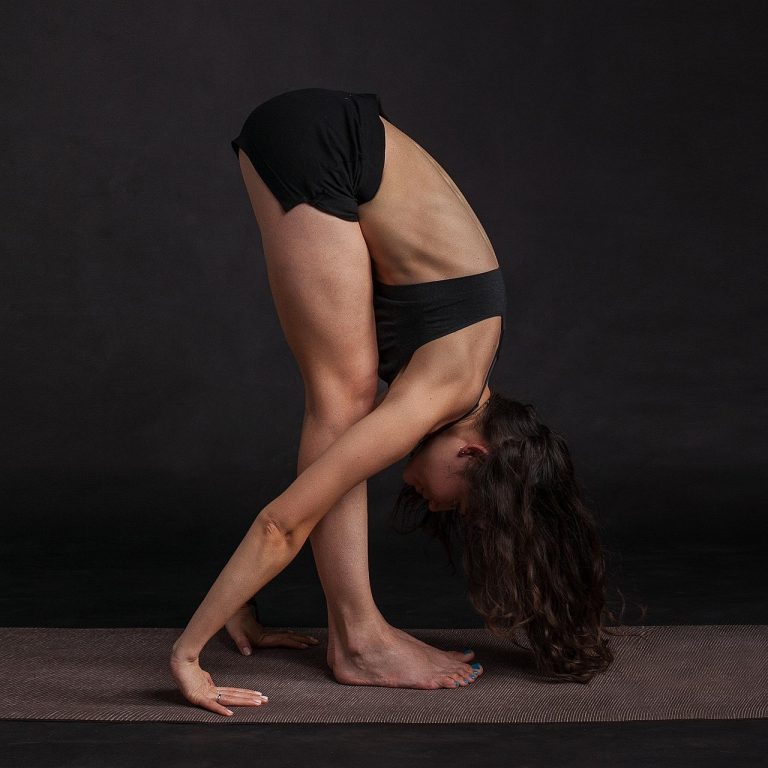
- Static Stretching: Holding a stretch in a stationary position for a period of time (typically 15-30 seconds). This is best performed after a workout or when muscles are warm. Example: Holding a hamstring stretch by touching your toes.
- Dynamic Stretching: Moving through a range of motion repeatedly. This is ideal for warming up muscles before exercise. Example: Arm circles, leg swings.
- Ballistic Stretching: Using bouncing movements to force a stretch beyond its normal range. This type of stretching is generally not recommended for beginners as it can increase the risk of injury.
- Proprioceptive Neuromuscular Facilitation (PNF) Stretching: A more advanced technique that involves contracting and relaxing muscles to achieve a greater range of motion. This is often done with a partner.
Key Muscle Groups to Target
Focus on stretching major muscle groups to improve overall flexibility and prevent imbalances:
- Hamstrings: Critical for lower back health and mobility. Try seated hamstring stretches or standing toe touches.
- Quadriceps: Tight quads can contribute to knee pain and poor posture. Do standing quad stretches or lying quad stretches.
- Hip Flexors: Often tight from prolonged sitting. Practice lunges with a hip flexor stretch or the butterfly stretch.
- Calves: Tight calves can lead to plantar fasciitis and other foot problems. Perform standing calf stretches against a wall.
- Chest and Shoulders: Rounded shoulders and a tight chest can contribute to poor posture. Do doorway chest stretches or arm across chest stretches.
- Back: Cat-cow stretch, child’s pose, and spinal twists can improve back flexibility and reduce stiffness.
Practical Stretching Tips
- Warm-up Before Stretching: Light cardio or dynamic stretches will prepare your muscles for deeper stretches.
- Breathe Deeply: Focus on slow, controlled breathing to help relax your muscles and enhance the stretch.
- Avoid Bouncing: Bouncing can cause muscle tears and injuries.
- Listen to Your Body: Stop if you feel sharp pain. Stretching should feel like a gentle pull, not an intense strain.
- Hold Stretches for the Right Duration: Aim for 15-30 seconds for static stretches.
Effective Toning Exercises for Lean Muscle
Bodyweight Exercises for Toning
Bodyweight exercises are a fantastic way to tone your muscles without requiring any equipment. They are convenient, effective, and can be modified to suit different fitness levels.
- Squats: Target the quads, glutes, and hamstrings. Focus on maintaining good form and control. Variations include sumo squats, jump squats, and pistol squats.
- Push-ups: Work the chest, shoulders, and triceps. Modify by doing them on your knees if needed. Variations include incline push-ups, decline push-ups, and diamond push-ups.
- Lunges: Target the quads, glutes, and hamstrings. Focus on maintaining balance and control. Variations include walking lunges, reverse lunges, and lateral lunges.
- Plank: Strengthens the core, shoulders, and back. Hold the position with proper form for as long as possible. Variations include side plank, forearm plank, and plank jacks.
- Glute Bridges: Target the glutes and hamstrings. Squeeze your glutes at the top of the movement. Variations include single-leg glute bridges and weighted glute bridges.
Using Light Weights for Toning
Incorporating light weights can enhance the effectiveness of toning exercises and further define your muscles.
- Dumbbell Rows: Work the back and biceps. Focus on pulling with your back muscles, not your arms.
- Bicep Curls: Target the biceps. Keep your elbows close to your body and control the movement.
- Triceps Extensions: Target the triceps. Use a dumbbell or resistance band.
- Shoulder Raises: Target the shoulders. Perform lateral raises, front raises, and rear delt flyes.
- Lightweight Squats and Lunges: Holding light dumbbells while performing squats and lunges increases the intensity and engages more muscle fibers.
Core Strengthening Exercises
A strong core is essential for good posture, balance, and overall stability. Incorporate these core exercises into your routine:
- Crunches: Target the abdominal muscles. Focus on engaging your core and avoid pulling on your neck.
- Leg Raises: Work the lower abdominal muscles. Keep your lower back pressed against the floor.
- Russian Twists: Target the obliques. Rotate your torso from side to side while keeping your core engaged.
- Bicycle Crunches: Work the entire core. Alternate touching your elbow to the opposite knee.
- Bird Dog: Improves core stability and balance. Extend one arm and the opposite leg simultaneously while maintaining a neutral spine.
Creating Your Personalized Stretch and Tone Routine
Assessing Your Current Fitness Level
Before starting any new exercise program, it’s essential to assess your current fitness level. This will help you tailor the routine to your needs and avoid overexertion.
- Flexibility Test: Perform a sit-and-reach test to assess your hamstring flexibility.
- Strength Test: See how many push-ups, squats, and planks you can perform with good form.
- Listen to Your Body: Pay attention to any pain or discomfort you experience during these assessments.
Designing a Weekly Schedule
Consistency is key to seeing results. Aim for at least 3-4 sessions per week, each lasting 30-60 minutes.
Monday: Full-body stretch and tone (focus on all major muscle groups).
Tuesday: Rest or light cardio (walking, swimming).
Wednesday: Targeted toning (focus on specific muscle groups like arms and abs).
Thursday: Active recovery (yoga, Pilates).
Friday: Full-body stretch and tone.
Saturday: Rest or outdoor activity.
* Sunday: Light stretching and relaxation.
Progression and Modifications
As you get stronger and more flexible, gradually increase the intensity and duration of your workouts. Modify exercises to suit your needs and avoid plateaus.
- Increase Repetitions: Gradually increase the number of repetitions for each exercise.
- Add Resistance: Use light weights or resistance bands to make toning exercises more challenging.
- Vary Exercises: Introduce new exercises to target different muscle groups and prevent boredom.
- Focus on Form: Maintain proper form throughout each exercise to maximize effectiveness and minimize the risk of injury.
Nutrition and Hydration for Optimal Results
The Importance of a Balanced Diet
Nutrition plays a crucial role in supporting muscle recovery and growth. Focus on a balanced diet that includes:
- Protein: Essential for muscle repair and growth. Aim for lean sources like chicken, fish, beans, and tofu.
- Complex Carbohydrates: Provide energy for workouts. Choose whole grains, fruits, and vegetables.
- Healthy Fats: Support hormone production and overall health. Include sources like avocados, nuts, seeds, and olive oil.
- Vitamins and Minerals: Essential for various bodily functions. Eat a variety of fruits and vegetables to ensure you’re getting all the nutrients you need.
Hydration Strategies
Staying hydrated is crucial for muscle function and overall performance. Drink plenty of water throughout the day, especially before, during, and after workouts.
- Water Intake: Aim for at least 8 glasses of water per day.
- Electrolytes: Replenish electrolytes lost through sweat during exercise. Consider electrolyte-rich drinks or foods like coconut water or bananas.
Conclusion
Incorporating stretch and tone into your fitness routine offers a holistic approach to well-being, improving flexibility, building lean muscle, reducing stress, and enhancing overall body awareness. By understanding the basics, utilizing effective techniques, and creating a personalized plan, you can unlock the transformative benefits of this balanced approach. Remember to listen to your body, stay consistent, and enjoy the journey toward a stronger, more flexible, and healthier you. Embrace the power of stretch and tone, and watch your body and mind flourish.