Physical Address
304 North Cardinal St.
Dorchester Center, MA 02124
Physical Address
304 North Cardinal St.
Dorchester Center, MA 02124


Whether you’re an athlete striving for peak performance or simply looking to improve your daily well-being, incorporating a consistent stretching routine can be a game-changer. Stretching enhances flexibility, reduces muscle tension, improves posture, and contributes significantly to overall physical health. This comprehensive guide will walk you through the essentials of creating and maintaining an effective stretching routine that caters to your individual needs and goals.
Stretching isn’t just about touching your toes; it’s a multifaceted practice with numerous physiological and psychological advantages. Consistent stretching prepares your body for activity and helps it recover afterward.
Perhaps the most well-known benefit of stretching is increased flexibility. Flexibility refers to the range of motion in your joints. Regular stretching lengthens muscles and connective tissues, allowing for a greater range of movement. This can translate to:
Stretching helps to release muscle tension that can accumulate from stress, physical activity, or poor posture. By lengthening and relaxing muscles, you can:
Stretching can also improve blood circulation by increasing blood flow to muscles and tissues. Better circulation can lead to:
Furthermore, stretching contributes to better posture by strengthening core muscles and increasing spinal flexibility. Correct posture can:
Understanding the different types of stretching is crucial for designing a routine that best suits your needs and goals. Each type offers unique benefits and is performed differently.
Static stretching involves holding a stretch in a stationary position for a period of time, usually 15-30 seconds. It’s best performed after a workout or when muscles are already warm.
Dynamic stretching involves controlled, repetitive movements through a full range of motion. It’s ideal as a warm-up before exercise.
Ballistic stretching uses bouncing movements to force a stretch beyond its normal range. It’s generally not recommended for beginners due to the risk of injury.
PNF stretching involves contracting and relaxing muscles to achieve a greater range of motion. It often requires a partner.
Designing a personalized stretching routine is key to achieving optimal results. Consider your individual needs, fitness level, and goals when selecting stretches.
Before starting a stretching routine, assess your current flexibility and identify areas where you need improvement. Set realistic and achievable goals. For example:
Choose stretches that target major muscle groups, including:
Include both static and dynamic stretches in your routine. Use dynamic stretches for warm-ups and static stretches for cool-downs.
Aim to stretch at least 2-3 times per week, or ideally daily. Hold each static stretch for 15-30 seconds. Perform dynamic stretches for 5-10 repetitions each. A typical stretching session should last 15-30 minutes.
To maximize the benefits of your stretching routine and minimize the risk of injury, follow these practical tips.
Use proper form and technique when performing stretches. Avoid bouncing or forcing the stretch. Focus on breathing deeply and relaxing into the stretch.
Pay attention to your body and stop if you feel any pain. Stretching should feel like a gentle pull, not a sharp or intense pain. Modify stretches as needed to accommodate your individual needs and limitations.
Consistency is crucial for achieving lasting results. Make stretching a regular part of your daily or weekly routine. Even a few minutes of stretching each day can make a significant difference in your flexibility and overall well-being.
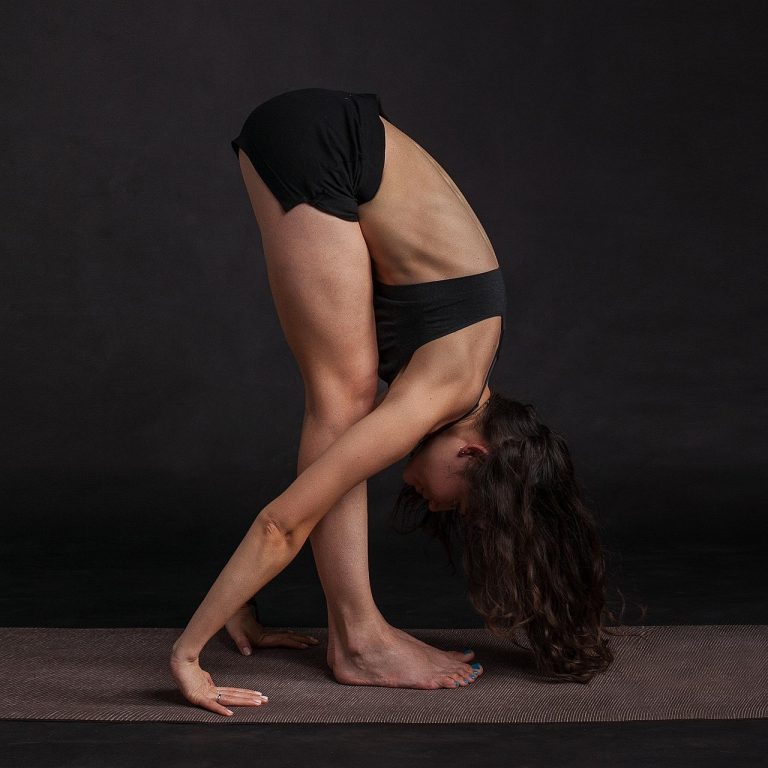
This routine includes stretches for major muscle groups and can be performed at home with no equipment.
Incorporating a well-designed stretching routine into your lifestyle can yield remarkable benefits for your physical and mental well-being. From improved flexibility and reduced muscle tension to enhanced circulation and posture, the advantages are undeniable. By understanding the different types of stretching, creating a personalized routine, and following practical tips, you can unlock the full potential of stretching and enjoy a healthier, more active life. Remember to listen to your body, be consistent, and enjoy the process of improving your flexibility and overall fitness.