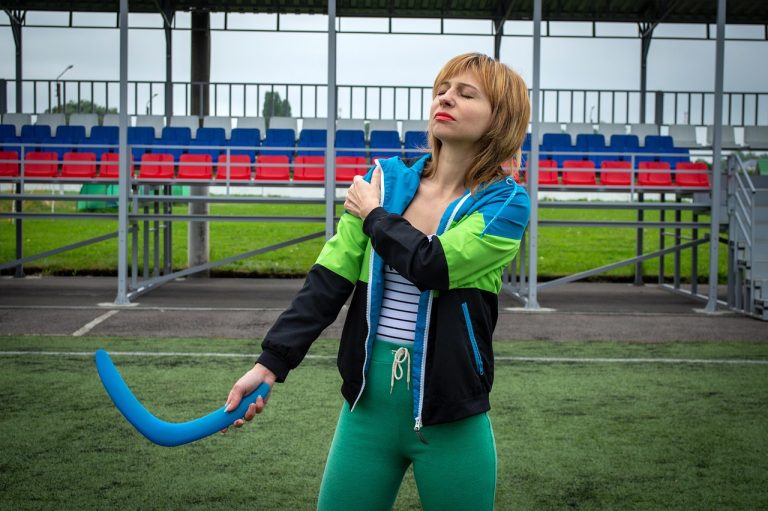
Range of motion (ROM) is a fundamental aspect of physical health and well-being, often overlooked until limitations arise. Whether you’re an athlete striving for peak performance, recovering from an injury, or simply aiming to maintain everyday functionality, understanding and optimizing your range of motion is crucial. This post delves into the intricacies of ROM, exploring its importance, factors influencing it, how to measure it, and practical strategies for improving and maintaining it.
What is Range of Motion?
Defining Range of Motion
Range of motion refers to the extent of movement of a joint. It’s typically measured in degrees, reflecting the arc through which a joint can move from full extension to full flexion. Normal ROM allows us to perform daily tasks with ease, participate in sports, and maintain overall physical independence. A reduced range of motion can indicate an underlying issue or lead to other complications.
Types of Range of Motion
There are two primary types of range of motion:
- Active Range of Motion (AROM): This refers to the movement a person can achieve using their own muscles without any external assistance. AROM reflects an individual’s strength, coordination, and willingness to move.
- Passive Range of Motion (PROM): This refers to the movement of a joint when an external force, such as a therapist or device, moves the joint. PROM indicates the joint’s inherent flexibility and the integrity of surrounding tissues, independent of muscle strength. The difference between AROM and PROM can highlight underlying muscle weakness or neurological issues.
Why is Range of Motion Important?
Benefits of Healthy Range of Motion
Maintaining a healthy range of motion offers numerous benefits, contributing to overall physical and mental well-being:
- Improved Physical Function: Adequate ROM allows for smooth and efficient execution of daily activities like walking, reaching, bending, and lifting.
- Reduced Risk of Injury: Optimal ROM enhances joint stability and reduces the likelihood of strains, sprains, and other injuries, especially during physical activity.
- Pain Management: Restricted ROM can contribute to pain and discomfort. Improving ROM can alleviate pain by reducing pressure on joints and surrounding tissues.
- Enhanced Athletic Performance: Athletes rely on a full ROM to maximize power, agility, and precision in their movements.
- Improved Posture: Adequate ROM in the spine and hips contributes to better posture and reduces the risk of back pain.
- Increased Circulation: Movement promotes blood flow, delivering essential nutrients and oxygen to tissues and removing waste products.
- Maintained Joint Health: Regular movement helps lubricate joints, reducing stiffness and preventing the breakdown of cartilage.
The Consequences of Limited Range of Motion
Conversely, a limited range of motion can lead to a cascade of negative consequences:
- Increased risk of falls: Poor hip and ankle ROM contributes to balance issues and increased fall risk, especially in older adults.
- Difficulty performing daily tasks: Simple tasks like reaching for objects, dressing, or getting in and out of a chair can become challenging.
- Muscle weakness and atrophy: Lack of movement can lead to muscle wasting and further reductions in strength.
- Chronic pain: Limited ROM can contribute to chronic pain conditions like osteoarthritis and fibromyalgia.
- Impaired athletic performance: Reduced ROM hinders athletic capabilities, increasing the risk of injury and limiting performance potential.
Factors Affecting Range of Motion
Physiological Factors
Several physiological factors influence an individual’s range of motion:
- Age: ROM typically decreases with age due to decreased tissue elasticity, reduced muscle strength, and joint degeneration.
- Genetics: Some individuals are naturally more flexible than others due to genetic predispositions affecting joint structure and tissue elasticity.
- Muscle Strength and Flexibility: Strong and flexible muscles support joint movement and enhance ROM.
- Joint Structure: The shape and alignment of bones within a joint determine its potential range of motion.
- Connective Tissue: The elasticity of ligaments, tendons, and joint capsules significantly impacts ROM.
External Factors
External factors can also significantly impact ROM:
- Injury: Trauma, surgery, or inflammation can restrict ROM due to pain, swelling, and scar tissue formation.
- Sedentary Lifestyle: Lack of physical activity can lead to muscle stiffness, decreased joint lubrication, and reduced ROM.
- Medical Conditions: Conditions like arthritis, cerebral palsy, and stroke can significantly limit ROM.
- Environmental Factors: Cold temperatures can cause muscle stiffness and reduce ROM.
- Occupation: Repetitive movements or prolonged static postures can lead to muscle imbalances and limited ROM in specific joints. Example: Prolonged sitting at a desk may limit hip flexion and hamstring flexibility.
Assessing Range of Motion
Methods of Measurement
Accurate assessment of range of motion is crucial for identifying limitations and tracking progress during rehabilitation. Common methods include:
- Goniometry: This is the most widely used method, involving the use of a goniometer, a protractor-like device, to measure the angle of a joint at its extreme positions. A physical therapist typically performs this.
Example: Using a goniometer to measure knee flexion by placing the axis of the goniometer at the knee joint, aligning one arm with the femur and the other with the fibula, and measuring the angle at the point of maximum flexion.
- Inclinometry: This method uses an inclinometer, a device that measures the angle of inclination of a body segment relative to gravity. Inclinometry is often used to measure spinal ROM.
- Visual Estimation: While less precise, visual estimation can provide a quick assessment of ROM. This involves observing the individual’s movement and estimating the degree of motion.
Standardized Norms
Standardized norms exist for typical ROM values for various joints. These norms provide a reference point for comparing an individual’s ROM to that of a healthy population. However, it’s important to note that these norms represent averages, and individual variations are expected.
Improving and Maintaining Range of Motion
Stretching Exercises
Regular stretching is a cornerstone of improving and maintaining range of motion. Different types of stretches target specific muscles and joints:
- Static Stretching: Holding a stretch for a sustained period (e.g., 30 seconds). This is best performed after a warm-up or workout.
Example: Holding a hamstring stretch by sitting with legs extended and reaching for the toes.
- Dynamic Stretching: Performing controlled movements through a full range of motion. This is ideal as a warm-up to prepare muscles for activity.
Example: Leg swings, arm circles, and torso twists.
- Proprioceptive Neuromuscular Facilitation (PNF) Stretching: Involves contracting the muscle being stretched, followed by relaxation and further stretching. This is often done with the assistance of a partner.
Example: Contract-relax hamstring stretch performed with a partner.
Strengthening Exercises
Strengthening the muscles surrounding a joint is equally important for maintaining ROM. Strong muscles provide stability and control during movement:
- Resistance Training: Using weights, resistance bands, or bodyweight to strengthen muscles.
Example: Performing squats to strengthen the quadriceps and glutes, supporting hip and knee ROM.
- Isometric Exercises: Contracting a muscle without changing its length. This can be useful for maintaining strength during periods of immobilization.
Example: Holding a plank to engage core muscles and improve spinal stability.
Other Techniques
In addition to stretching and strengthening, other techniques can help improve and maintain ROM:
- Joint Mobilization: Manual therapy techniques performed by a physical therapist to restore joint movement and reduce stiffness.
- Foam Rolling: Using a foam roller to release muscle tension and improve flexibility.
- Yoga and Pilates: These practices incorporate stretching, strengthening, and balance exercises to improve overall ROM and body awareness.
- Regular Physical Activity: Engaging in regular physical activity, such as walking, swimming, or cycling, helps maintain joint lubrication and prevent muscle stiffness.
Conclusion
Maintaining a healthy range of motion is an investment in your long-term physical well-being. By understanding the factors influencing ROM, implementing regular stretching and strengthening exercises, and seeking professional guidance when needed, you can optimize your movement capabilities, reduce the risk of injury, and enjoy a more active and fulfilling life. Don’t wait until limitations arise – prioritize your ROM today.