Physical Address
304 North Cardinal St.
Dorchester Center, MA 02124
Physical Address
304 North Cardinal St.
Dorchester Center, MA 02124

Stiff muscles, limited range of motion, and that nagging ache that just won’t go away? These are common complaints, and often, the simplest solution is the most effective: a dedicated stretching session. But stretching isn’t just about touching your toes; it’s a vital component of overall health and well-being, impacting everything from athletic performance to daily comfort. This guide will walk you through everything you need to know to build your own effective stretching routine.
Flexibility and range of motion are critical for everyday activities. Think about reaching for something on a high shelf, bending down to pick up a package, or simply turning to check your blind spot while driving. Regular stretching sessions significantly improve these capabilities, making daily tasks easier and less prone to causing injury.
Studies have shown that consistent stretching can improve flexibility by as much as 20-30% in just a few weeks. Furthermore, increased range of motion can lead to better posture and reduced muscle imbalances.
Stretching prepares your muscles for physical activity and helps them recover afterward. It increases blood flow to muscles, improving their elasticity and reducing the risk of strains and tears. Post-workout stretching helps to remove metabolic waste products and reduce muscle soreness (DOMS – Delayed Onset Muscle Soreness).
A 2018 study in the Journal of Strength and Conditioning Research found that stretching before exercise reduced the incidence of muscle strains by up to 54%.
Stretching can be incredibly relaxing and can help reduce stress and anxiety. When you stretch, you release tension in your muscles, which can have a calming effect on your nervous system. This can also improve your sleep quality.
Many individuals find that a regular stretching routine helps them manage stress levels more effectively and promotes a sense of overall well-being. Stretching stimulates the parasympathetic nervous system, which is responsible for the “rest and digest” response.
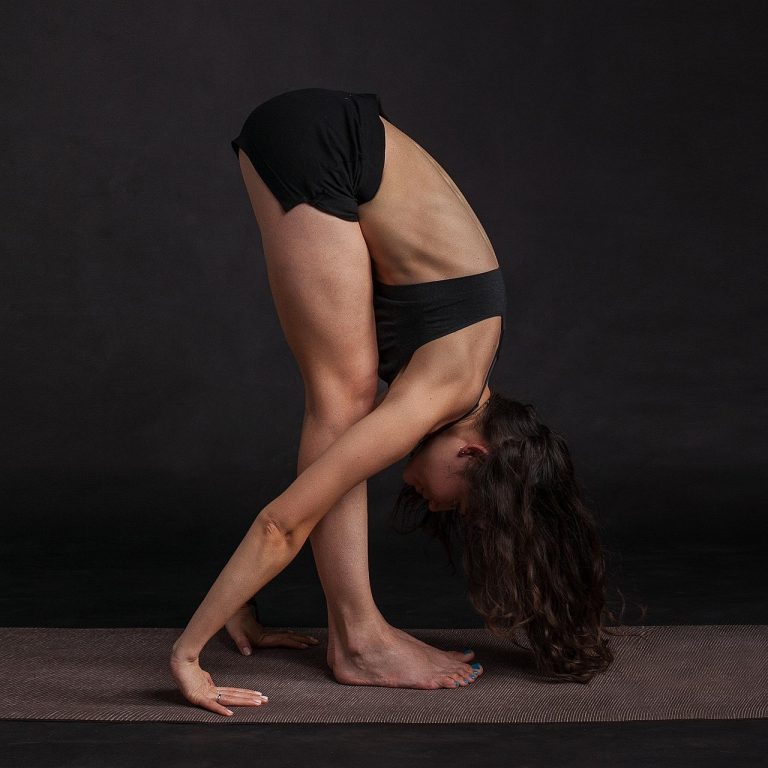
Static stretching involves holding a stretch in a stationary position for a specific period of time, usually 15-30 seconds. This type of stretching is best performed after a workout or as part of a cool-down routine.
Static stretching is excellent for improving flexibility and range of motion but is not recommended as a warm-up before exercise, as it can temporarily decrease muscle strength and power.
Dynamic stretching involves controlled movements that gradually increase your range of motion. This type of stretching is ideal as a warm-up before exercise, as it prepares your muscles for activity.
Dynamic stretching mimics the movements you’ll be performing during your workout, improving muscle activation and reducing the risk of injury.
PNF stretching is an advanced stretching technique that involves contracting and relaxing muscles to increase flexibility. It’s often performed with a partner or using a resistance band.
PNF stretching is highly effective for improving flexibility but requires proper technique to avoid injury. It’s often used by athletes and individuals seeking to maximize their range of motion.
Ballistic stretching uses bouncing movements to force the muscles beyond their normal range of motion. This type of stretching is generally not recommended for beginners, as it can increase the risk of injury.
While ballistic stretching can improve flexibility, the risks generally outweigh the benefits, especially for individuals who are new to stretching or have pre-existing injuries.
Before you start a stretching program, consider your individual needs and goals. What areas of your body are tight or inflexible? What activities do you participate in that require flexibility? Are you recovering from an injury?
A simple self-assessment can help you identify your specific needs. Try touching your toes, reaching behind your back, and rotating your torso to assess your range of motion in different areas.
Your stretching routine should include stretches that target all major muscle groups. Aim to stretch for at least 10-15 minutes, 2-3 times per week.
A sample stretching routine could include:
Here’s an example of a full-body static stretching routine you can use post-workout or on a recovery day:
Remember to breathe deeply and relax into each stretch, focusing on the sensations in your muscles.
As mentioned earlier, ballistic stretching (bouncing) can be dangerous and increase the risk of injury. Avoid bouncing and focus on controlled, static stretches.
Holding your breath can increase tension in your muscles and make it harder to stretch. Breathe deeply and evenly throughout each stretch.
Stretching cold muscles can increase the risk of injury. Always warm up your muscles before stretching with light cardio or dynamic stretches.
Stretching too far or too aggressively can cause pain and injury. Stop if you feel any sharp pain and gradually increase the intensity of your stretches over time.
Pain is a signal that something is wrong. Don’t ignore pain while stretching. Stop and consult with a healthcare professional if you experience any persistent or severe pain.
Incorporating regular stretching sessions into your routine is an investment in your overall health and well-being. By understanding the different types of stretching, creating a personalized routine, and avoiding common mistakes, you can unlock the benefits of improved flexibility, reduced pain, and enhanced performance. Start slowly, listen to your body, and enjoy the journey to a more flexible and healthier you.