Aching back? Stiff neck after a long day at the computer? Feeling a little sluggish in the morning? A daily stretching routine might be just the thing you need to revitalize your body and mind. Incorporating stretching into your daily life can have a profound impact on your overall well-being, improving flexibility, reducing pain, and even boosting your mood. Let’s explore how to create a simple yet effective daily stretching routine.
The Importance of a Daily Stretching Routine
Improved Flexibility and Range of Motion
One of the most significant benefits of daily stretching is improved flexibility. Stretching helps lengthen your muscles, increasing your range of motion in your joints. This is crucial for performing everyday activities with ease and preventing injuries. As we age, our muscles naturally become less flexible, so regular stretching becomes even more important.
- Increased ease in performing daily tasks like bending, reaching, and lifting.
- Reduced risk of muscle strains and joint pain.
- Enhanced athletic performance. Studies have shown increased performance through improved flexibility.
Pain Reduction and Management
Stretching can be a powerful tool for pain management, particularly for those suffering from chronic conditions like back pain and arthritis. By releasing tension in tight muscles, stretching can alleviate pressure on joints and nerves, reducing discomfort and improving mobility.
- Relief from muscle tension headaches.
- Reduced pain associated with sciatica.
- Improved posture, which can alleviate back and neck pain.
Stress Relief and Relaxation
Stretching isn’t just about the physical benefits; it can also have a significant impact on your mental and emotional well-being. Stretching promotes relaxation by reducing muscle tension, which can help calm the nervous system and lower stress levels. Many stretching techniques are closely related to mindfulness practices.
- Releases endorphins, which have mood-boosting effects.
- Promotes a sense of calm and relaxation.
- Can be incorporated into mindfulness practices like yoga and meditation.
Creating Your Daily Stretching Routine
Choosing the Right Stretches
When designing your daily stretching routine, it’s important to focus on stretches that target major muscle groups and address any specific areas of tightness or discomfort you may have. Here are a few effective stretches to consider:
- Neck Stretches: Gently tilt your head to the side, bringing your ear towards your shoulder. Hold for 20-30 seconds, then repeat on the other side. Rotate your chin towards your chest, holding for the same duration.
- Shoulder Stretches: Reach one arm across your body and gently pull it closer with your other arm. Hold for 20-30 seconds, then repeat on the other side.
- Back Stretches: Lie on your back and bring your knees to your chest, gently hugging them. Hold for 20-30 seconds. Perform cat-cow stretches on your hands and knees.
- Hamstring Stretches: Sit on the floor with your legs extended and reach towards your toes. Hold for 20-30 seconds. (Don’t force it – go as far as comfortable.)
- Quadriceps Stretches: Stand and hold onto a chair for balance. Grab your ankle and gently pull your heel towards your glutes. Hold for 20-30 seconds, then repeat on the other side.
- Calf Stretches: Lean against a wall with one leg extended behind you, heel on the ground. Gently push your hips forward until you feel a stretch in your calf. Hold for 20-30 seconds, then repeat on the other side.
Timing and Frequency
Consistency is key when it comes to stretching. Aim to stretch daily, even if it’s just for a few minutes. The best time to stretch is after your muscles are warmed up, such as after a light walk or shower. Avoid stretching cold muscles, as this can increase the risk of injury.
- Morning Stretches: Help wake up your body and improve circulation.
- Evening Stretches: Can relieve muscle tension accumulated throughout the day and promote relaxation before bed.
- During Work Breaks: Take a few minutes to stretch your neck, shoulders, and back to prevent stiffness and discomfort.
Proper Technique and Breathing
To maximize the benefits of stretching and avoid injury, it’s important to use proper technique and focus on your breathing. Here are a few tips:
- Slow and Controlled Movements: Avoid bouncing or jerking movements, as these can cause muscle strains.
- Hold Each Stretch: Hold each stretch for 20-30 seconds, breathing deeply and relaxing into the stretch.
- Listen to Your Body: Stop if you feel any sharp pain. Stretching should feel like a gentle pull, not an intense discomfort.
- Breathe Deeply: Focus on taking slow, deep breaths during your stretches. This helps relax your muscles and improve circulation. Inhale deeply before beginning the stretch and exhale slowly as you deepen the stretch.
Adapting Your Routine to Your Needs
Beginner vs. Advanced
If you’re new to stretching, start with a simple routine that focuses on basic stretches. As you become more flexible, you can gradually incorporate more challenging stretches. An advanced routine could include dynamic stretches before exercise and more intense static stretches afterward.
- Beginner: Focus on static stretches, holding each position for 20-30 seconds.
- Intermediate: Incorporate some dynamic stretches (like arm circles and leg swings) into your routine.
- Advanced: Explore more complex stretches and consider adding resistance bands to deepen the stretch.
Addressing Specific Concerns
If you have specific areas of pain or tightness, focus on stretches that target those areas. For example, if you have tight hamstrings, spend extra time on hamstring stretches. If you suffer from neck pain, focus on neck stretches and upper back stretches. Consulting with a physical therapist can provide personalized stretching recommendations.
- Back Pain: Focus on stretches that improve spinal mobility and strengthen core muscles.
- Neck Pain: Focus on gentle neck stretches and shoulder blade squeezes.
- Hip Pain: Focus on stretches that improve hip flexibility and range of motion.
Incorporating Props
Using props like yoga straps, foam rollers, and resistance bands can enhance your stretching routine and help you achieve deeper stretches. A yoga strap can help you reach your toes in a hamstring stretch, while a foam roller can help release tension in tight muscles. Resistance bands can add an extra challenge to your stretches.
- Yoga Strap: Improves reach and helps deepen stretches.
- Foam Roller: Releases muscle tension and improves circulation.
- Resistance Bands: Adds resistance and helps strengthen muscles.
Sample Daily Stretching Routine (10-15 Minutes)
Morning Routine
This routine is designed to energize your body and prepare you for the day ahead. Perform each stretch for 30 seconds, holding and breathing deeply.
- Neck Tilts: Gently tilt your head to each side, bringing your ear towards your shoulder.
- Shoulder Rolls: Roll your shoulders forward and backward to loosen up the muscles.
- Arm Circles: Perform small and large arm circles to improve shoulder mobility.
- Cat-Cow Stretch: Move between the cat and cow poses to improve spinal flexibility.
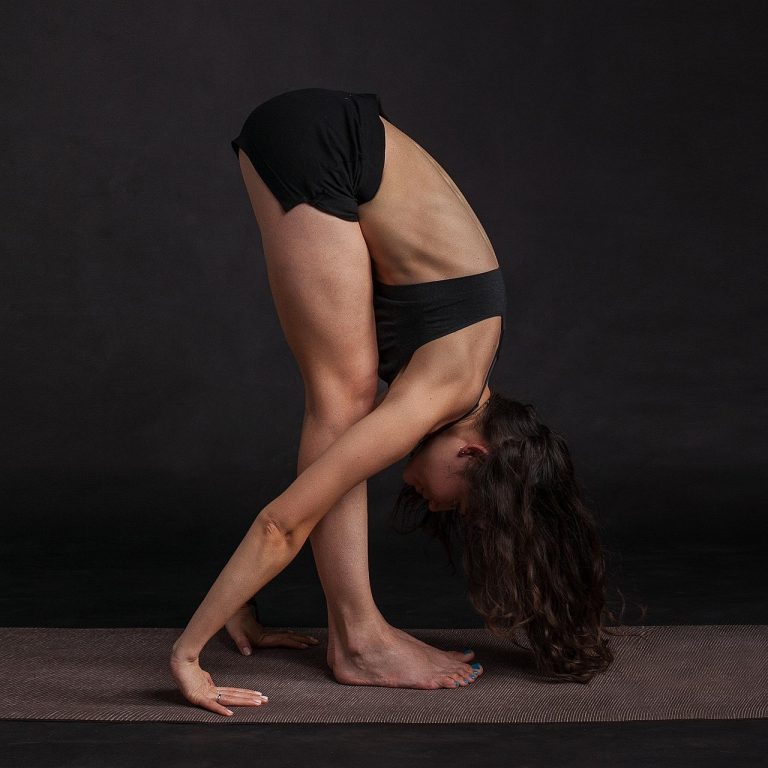
- Standing Hamstring Stretch: Stand with one leg slightly forward and bend at the hips, reaching towards your toes.
- Quadriceps Stretch: Hold onto a chair for balance and gently pull your heel towards your glutes.
- Calf Stretch: Lean against a wall with one leg extended behind you, heel on the ground.
Evening Routine
This routine is designed to relax your body and prepare you for sleep. Perform each stretch for 30-60 seconds, focusing on deep breathing and relaxation.
- Child’s Pose: Kneel on the floor with your knees hip-width apart and sit back on your heels. Extend your arms forward and rest your forehead on the ground.
- Supine Twist: Lie on your back and bring your knees to your chest. Gently drop your knees to one side while keeping your shoulders on the ground.
- Knee-to-Chest Stretch: Lie on your back and bring your knees to your chest, gently hugging them.
- Hamstring Stretch (lying): Lie on your back and use a strap (or hands) to pull one leg towards you.
- Butterfly Stretch: Sit with the soles of your feet together and gently press your knees towards the ground.
- Neck Rolls: Gently roll your neck in a circular motion to release tension.
Conclusion
Incorporating a daily stretching routine into your life can significantly improve your physical and mental well-being. By increasing flexibility, reducing pain, and promoting relaxation, stretching can help you feel better and move more freely. Remember to listen to your body, use proper technique, and be consistent with your routine. Start with a simple routine and gradually progress as you become more flexible. The benefits of daily stretching are well worth the effort, leading to a healthier and more comfortable life.