Maintaining flexibility is crucial for overall well-being, influencing everything from athletic performance to everyday comfort. A dedicated flexibility routine at home can be incredibly beneficial, allowing you to improve your range of motion, reduce the risk of injury, and alleviate muscle tension. With the right exercises and a consistent approach, you can significantly enhance your physical and mental health without ever stepping foot in a gym. Let’s explore how to establish an effective flexibility routine in the comfort of your own home.
Benefits of a Home Flexibility Routine
Implementing a regular stretching routine offers a wealth of advantages. It’s not just about touching your toes; it’s about improving your quality of life.
Physical Benefits
- Improved Range of Motion: Stretching increases the suppleness of your muscles and joints, allowing for greater ease of movement.
- Reduced Risk of Injury: Flexible muscles are less prone to strains and tears, making you more resilient to injuries during exercise or daily activities.
- Increased Blood Flow: Stretching promotes better circulation, delivering more oxygen and nutrients to your muscles.
- Pain Relief: Regular stretching can alleviate muscle stiffness and soreness, particularly in the neck, back, and shoulders. Studies have shown that consistent stretching can significantly reduce chronic pain symptoms.
- Improved Posture: Flexibility exercises can help correct muscle imbalances that contribute to poor posture.
Mental Benefits
- Stress Reduction: Stretching can help calm the nervous system and reduce levels of cortisol, the stress hormone.
- Improved Body Awareness: Focusing on your body during stretching exercises enhances your awareness of muscle tension and imbalances.
- Enhanced Mood: Stretching releases endorphins, which have mood-boosting effects.
- Mindfulness Practice: Holding stretches requires focus and attention, promoting a sense of presence and mindfulness.
Setting Up Your Home Flexibility Space
Creating a dedicated space for your stretching routine will make it more enjoyable and sustainable. You don’t need much, just a little forethought.
Space Requirements
- Clear Area: Choose a quiet area with enough space to move freely without bumping into furniture. A yoga mat provides a comfortable surface.
- Minimal Distractions: Minimize interruptions by turning off the TV, silencing your phone, and informing family members of your stretching time.
- Comfortable Environment: Ensure the room is well-ventilated and at a comfortable temperature.
- Optional Props: Consider having a yoga strap, foam roller, or pillows readily available to assist with certain stretches.
Essential Equipment
- Yoga Mat: Provides cushioning and traction.
- Yoga Strap: Helps with stretches where you can’t quite reach your feet or hands.
- Foam Roller: Used for self-myofascial release, helping to alleviate muscle knots and improve flexibility.
- Towel or Blanket: Useful for added support or cushioning during certain stretches.
Designing Your Flexibility Routine
Consistency is key to seeing results. Plan your routine to fit seamlessly into your lifestyle.
Warm-Up (5-10 minutes)
Before diving into deeper stretches, prepare your muscles with a light warm-up to increase blood flow and reduce the risk of injury.
- Light Cardio: Start with a few minutes of jogging in place, jumping jacks, or arm circles.
- Dynamic Stretching: Perform dynamic stretches, such as arm swings, leg swings, torso twists, and cat-cow stretches. Dynamic stretches involve controlled movements through a range of motion.
Static Stretching (15-20 minutes)
Static stretching involves holding a stretch in a stationary position. Hold each stretch for 20-30 seconds, breathing deeply and relaxing into the stretch.
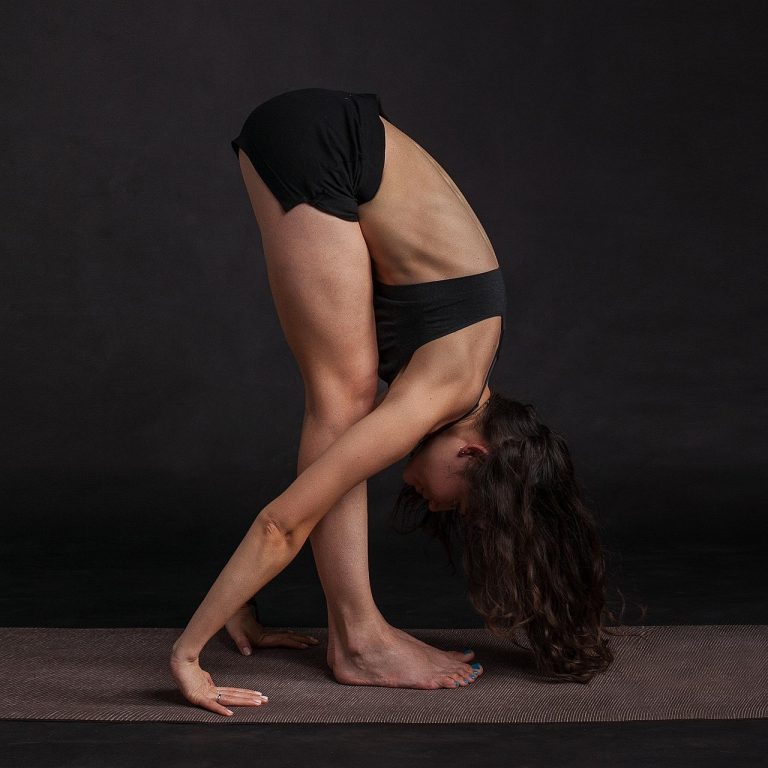
- Hamstring Stretch: Sit on the floor with your legs extended. Reach towards your toes, keeping your back straight as much as possible.
- Quadriceps Stretch: Stand holding onto a wall or chair for balance. Grab your ankle and gently pull your heel towards your glutes.
- Calf Stretch: Stand facing a wall, placing one foot slightly behind the other. Lean towards the wall, keeping your back heel on the ground.
- Shoulder Stretch: Reach one arm across your body and use your other arm to gently pull it closer, stretching your shoulder.
- Triceps Stretch: Raise one arm overhead and bend your elbow, reaching your hand towards your upper back. Use your other hand to gently pull your elbow further down.
- Chest Stretch: Stand in a doorway and place your forearms on the doorframe. Gently lean forward, feeling a stretch in your chest.
- Hip Flexor Stretch: Kneel on one knee with the other foot forward. Gently push your hips forward, feeling a stretch in the front of your hip.
Cool-Down (5 minutes)
After stretching, take a few minutes to cool down and allow your body to gradually return to its resting state.
- Gentle Stretches: Perform some gentle versions of your favorite stretches, holding them for shorter periods.
- Deep Breathing: Focus on slow, deep breaths to promote relaxation and reduce muscle tension.
- Foam Rolling (Optional): Use a foam roller on major muscle groups to further release tension and improve recovery.
Tips for an Effective and Safe Routine
Maximize the benefits of your flexibility routine by adhering to these best practices.
Proper Form and Technique
- Listen to Your Body: Avoid pushing yourself too hard. You should feel a gentle stretch, not pain.
- Maintain Proper Alignment: Pay attention to your posture and alignment to ensure you are stretching the targeted muscles effectively.
- Breathe Deeply: Breathe deeply and evenly throughout each stretch to promote relaxation and increase oxygen flow.
Consistency and Progression
- Regular Schedule: Aim to stretch at least 3-4 times per week for optimal results.
- Gradual Progression: As your flexibility improves, gradually increase the intensity and duration of your stretches. Consider adding new stretches to your routine.
- Listen to Your Body: If you experience any pain, stop the exercise and consult with a healthcare professional.
Common Mistakes to Avoid
- Bouncing: Avoid bouncing during stretches, as it can cause muscle injury.
- Holding Your Breath: Remember to breathe deeply and evenly throughout each stretch.
- Ignoring Pain: Pain is a signal that something is wrong. Stop the exercise and consult with a healthcare professional.
- Stretching Cold Muscles: Always warm up your muscles before stretching to reduce the risk of injury.
Sample Home Flexibility Routine
This is a sample routine that you can adapt to your own needs and preferences.
Warm-Up (5 minutes)
- Arm Circles: 1 minute
- Leg Swings: 1 minute (each leg)
- Torso Twists: 1 minute
- Cat-Cow Stretch: 1 minute
Static Stretching (20 minutes)
- Hamstring Stretch: 30 seconds (each leg)
- Quadriceps Stretch: 30 seconds (each leg)
- Calf Stretch: 30 seconds (each leg)
- Shoulder Stretch: 30 seconds (each arm)
- Triceps Stretch: 30 seconds (each arm)
- Chest Stretch: 30 seconds
- Hip Flexor Stretch: 30 seconds (each leg)
- Butterfly Stretch: 30 seconds
- Lower Back Stretch (Knee to Chest): 30 seconds (each leg)
Cool-Down (5 minutes)
- Gentle Hamstring Stretch: 20 seconds (each leg)
- Gentle Quadriceps Stretch: 20 seconds (each leg)
- Deep Breathing: 2 minutes
- Foam Rolling (Optional): 2-3 minutes on major muscle groups
Conclusion
Establishing a home flexibility routine is a powerful step toward improving your overall health and well-being. By understanding the benefits, creating a dedicated space, designing a balanced routine, and adhering to safe and effective techniques, you can unlock a greater range of motion, reduce the risk of injury, and enhance your physical and mental health. Remember to listen to your body, stay consistent, and enjoy the journey toward greater flexibility and vitality.