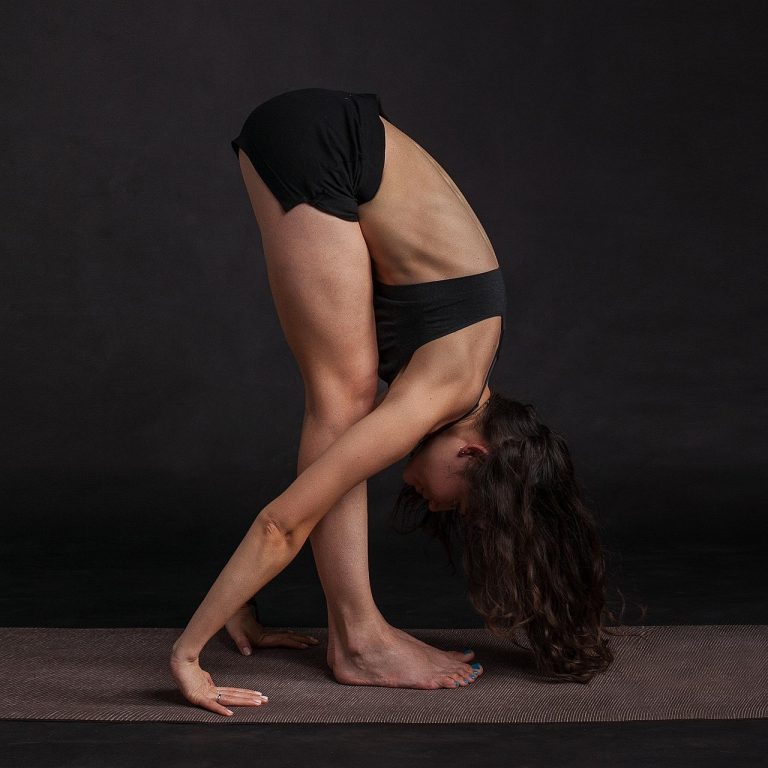
Feeling sluggish? Stiff joints making everyday tasks a chore? A consistent movement routine could be the answer. It’s not just about hitting the gym; it’s about incorporating intentional movement into your daily life to boost energy, improve flexibility, and enhance overall well-being. This guide explores how to create and maintain a movement routine that works for you, regardless of your fitness level.
Why You Need a Movement Routine
A sedentary lifestyle is detrimental to our health, linked to everything from increased risk of heart disease to decreased mental clarity. But combating this doesn’t require grueling workouts; a carefully constructed movement routine can be surprisingly effective.
Benefits of Regular Movement
- Improved Physical Health: Regular movement strengthens muscles and bones, improves cardiovascular health, and helps maintain a healthy weight. Studies show that even moderate activity can significantly reduce the risk of chronic diseases.
- Enhanced Mental Well-being: Exercise releases endorphins, which have mood-boosting effects. A movement routine can help reduce stress, anxiety, and symptoms of depression.
- Increased Energy Levels: While it might seem counterintuitive, expending energy through movement actually increases energy levels throughout the day. You’ll feel less fatigued and more alert.
- Better Sleep Quality: Regular physical activity can promote better sleep patterns. However, avoid intense workouts close to bedtime, as they can have the opposite effect.
- Improved Flexibility and Mobility: Movement routines that incorporate stretching and range-of-motion exercises can improve flexibility and reduce the risk of injuries.
Statistics Supporting Movement
- The World Health Organization (WHO) recommends at least 150 minutes of moderate-intensity or 75 minutes of vigorous-intensity aerobic activity per week for adults.
- A study published in The Lancet found that even a small amount of daily physical activity can significantly reduce the risk of mortality.
- Research shows that regular exercise can improve cognitive function and reduce the risk of cognitive decline as we age.
Building Your Personalized Movement Routine
The key to a sustainable movement routine is personalization. It should fit your lifestyle, preferences, and physical capabilities. Don’t compare yourself to others; focus on what works for you.
Assessing Your Current Fitness Level
- Self-Assessment: Honestly evaluate your current activity level. Are you mostly sedentary, occasionally active, or regularly active?
- Consult a Healthcare Professional: If you have any underlying health conditions or concerns, consult with your doctor before starting a new exercise program.
- Basic Fitness Tests: Perform simple tests like:
Push-ups: How many can you do with good form?
Sit-ups: How many can you do in one minute?
Flexibility Test: Can you touch your toes?
Cardiovascular Test: Walk or jog for a set distance and time your performance.
Choosing Activities You Enjoy
- Variety is Key: Experiment with different types of movement to find what you enjoy. This could include:
Walking or hiking
Swimming
Cycling
Dancing
Yoga or Pilates
Strength training
Gardening
- Make it Fun: Incorporate activities that you find enjoyable and motivating. Listen to music, exercise with friends, or join a class.
- Consider Your Environment: Take advantage of your surroundings. Walk in the park, bike on scenic trails, or swim in a local pool.
Structuring Your Weekly Routine
- Set Realistic Goals: Start with small, achievable goals and gradually increase the intensity and duration of your workouts.
- Frequency and Duration: Aim for at least 30 minutes of moderate-intensity exercise most days of the week.
- Warm-up and Cool-down: Always warm up before exercising to prepare your muscles and cool down afterward to prevent soreness.
- Include Different Types of Movement: Incorporate cardiovascular exercise, strength training, flexibility exercises, and balance exercises into your routine.
- Rest and Recovery: Allow your body adequate rest and recovery time between workouts to prevent overtraining and injuries.
Sample Movement Routine Ideas
These are just examples; tailor them to your individual needs and preferences. Remember to listen to your body and adjust as needed.
Beginner Routine
- Monday: 30-minute brisk walk
- Tuesday: 20-minute bodyweight strength training (squats, push-ups, lunges, planks)
- Wednesday: Rest or light stretching
- Thursday: 30-minute yoga or Pilates class
- Friday: 20-minute brisk walk
- Saturday: Active gardening or household chores
- Sunday: Rest or leisurely bike ride
Intermediate Routine
- Monday: 45-minute jogging or cycling
- Tuesday: 30-minute strength training with weights or resistance bands
- Wednesday: 30-minute swim
- Thursday: 45-minute yoga or Pilates class
- Friday: 45-minute HIIT workout
- Saturday: Hiking or outdoor activity
- Sunday: Rest or active recovery (light stretching, foam rolling)
Advanced Routine
- Monday: 60-minute interval running or cycling
- Tuesday: 45-minute heavy weightlifting
- Wednesday: 60-minute swimming or triathlon training
- Thursday: 60-minute advanced yoga or Pilates class
- Friday: 60-minute circuit training
- Saturday: Long-distance hiking or cycling
- Sunday: Rest or active recovery
Staying Motivated and Consistent
Consistency is key to reaping the benefits of a movement routine. But staying motivated can be challenging.
Tips for Staying on Track
- Set Specific, Measurable, Achievable, Relevant, and Time-bound (SMART) Goals: Instead of saying “I want to get in shape,” set a specific goal like “I will walk for 30 minutes, three times a week for the next month.”
- Track Your Progress: Use a fitness tracker, journal, or app to monitor your progress and stay motivated.
- Find a Workout Buddy: Exercising with a friend can provide accountability and make workouts more enjoyable.
- Reward Yourself: Celebrate your achievements with non-food rewards, such as a new workout outfit or a massage.
- Don’t Give Up: Everyone misses a workout sometimes. The important thing is to get back on track as soon as possible.
Overcoming Common Obstacles
- Lack of Time: Schedule exercise into your day like any other important appointment. Even 10-15 minutes of activity can make a difference.
- Lack of Motivation: Find activities that you enjoy and that fit your lifestyle. Listen to music, watch TV, or exercise outdoors.
- Injuries: Listen to your body and avoid pushing yourself too hard. If you experience pain, stop exercising and consult with a healthcare professional.
- Boredom: Mix up your routine regularly to keep things interesting. Try new activities, classes, or workout locations.
Conclusion
A movement routine is a powerful tool for improving your physical and mental well-being. By building a personalized routine that fits your lifestyle, preferences, and goals, you can unlock a wealth of benefits. Remember to start slowly, stay consistent, and listen to your body. Embrace movement as a daily habit, and you’ll be well on your way to a healthier, happier you. The best movement routine is the one you actually do*.