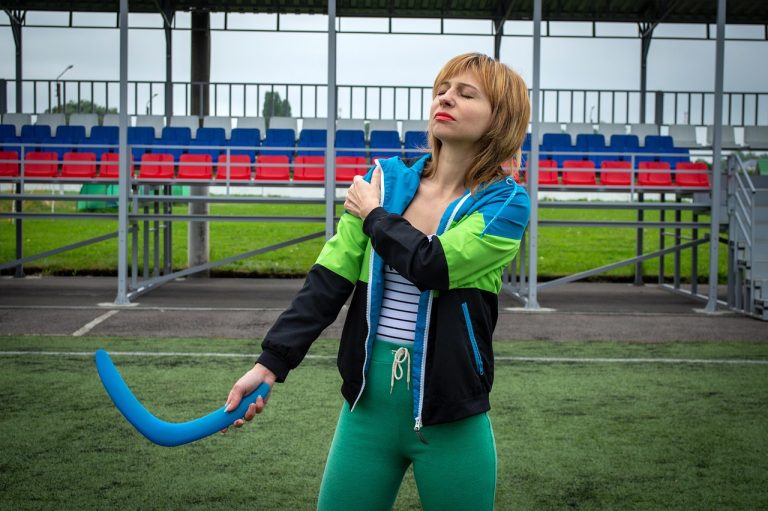
Feeling stiff after a workout? Struggling to bounce back from an injury? Movement recovery is the unsung hero of physical fitness and overall well-being. It’s more than just stretching; it’s a holistic approach to repairing, rebuilding, and rejuvenating your body so you can perform at your peak and prevent future setbacks. Let’s delve into the world of movement recovery and discover how you can optimize your body’s natural healing processes.
Understanding Movement Recovery
Movement recovery is the process of restoring your body’s physical function after periods of exertion, injury, or inactivity. It involves a range of techniques and strategies aimed at reducing muscle soreness, improving flexibility, enhancing circulation, and promoting tissue repair. Think of it as the bridge between physical stress and optimal performance.
Why is Movement Recovery Important?
Skipping recovery is like driving a car without ever changing the oil – eventually, something will break down. Proper movement recovery offers a plethora of benefits:
- Reduced Muscle Soreness: Minimizes post-exercise discomfort and allows you to get back to training sooner.
- Improved Flexibility & Range of Motion: Prevents stiffness and enhances your ability to move freely.
- Decreased Risk of Injury: Prepares your body for future stress and reduces the likelihood of strains, sprains, and other injuries. Studies show that proper recovery techniques can significantly lower the risk of overuse injuries in athletes.
- Enhanced Performance: Allows your body to adapt and become stronger, leading to improved athletic performance.
- Better Sleep Quality: Recovery practices like stretching and massage can promote relaxation and improve sleep.
- Faster Tissue Repair: Accelerates the healing process after injury, helping you get back on your feet quicker.
Who Benefits from Movement Recovery?
Everyone! While athletes are often the primary focus, movement recovery is beneficial for:
- Athletes: Optimizing performance and preventing injuries.
- Fitness Enthusiasts: Managing muscle soreness and improving overall fitness.
- Individuals with Desk Jobs: Combating stiffness and improving posture.
- Seniors: Maintaining mobility and preventing falls.
- Individuals Recovering from Injuries: Facilitating healing and restoring function.
Key Strategies for Movement Recovery
There’s no one-size-fits-all approach to movement recovery. The best strategy depends on your activity level, individual needs, and specific goals. However, several fundamental techniques are universally beneficial.
Active Recovery
Active recovery involves low-intensity exercise performed after more strenuous activity. It helps flush out metabolic waste products and promotes blood flow to the muscles.
- Example: A light jog or brisk walk after a high-intensity run.
- Example: Gentle cycling after a weightlifting session.
- Why it works: Increases circulation, reducing muscle stiffness and soreness. This promotes the delivery of oxygen and nutrients to the muscles, aiding in repair. Aim for 20-30 minutes of low-intensity activity.
Stretching and Flexibility
Stretching improves flexibility and range of motion, preventing stiffness and reducing the risk of injury.
- Static Stretching: Holding a stretch for 30-60 seconds. Ideal after a workout. Example: hamstring stretch, quad stretch, calf stretch.
- Dynamic Stretching: Controlled movements through a full range of motion. Best before a workout as part of a warm-up. Example: arm circles, leg swings, torso twists.
- Foam Rolling (Self-Myofascial Release): Applying pressure to tight muscles to release tension and improve flexibility. Target major muscle groups like legs, back, and shoulders. Spend 30-60 seconds on each area.
- Practical Tip: Focus on areas that feel particularly tight or sore. Consistency is key – aim for daily stretching.
Nutrition and Hydration
Proper nutrition and hydration are crucial for muscle repair and recovery.
- Protein: Essential for rebuilding muscle tissue. Consume protein within 1-2 hours after exercise. Aim for 20-40 grams of protein. Examples: chicken, fish, eggs, beans, lentils.
- Carbohydrates: Replenish glycogen stores depleted during exercise. Choose complex carbohydrates. Examples: whole grains, fruits, vegetables.
- Hydration: Water is vital for all bodily functions, including muscle recovery. Drink plenty of water throughout the day and especially after exercise. Electrolyte drinks can also be beneficial after intense workouts to replace lost minerals.
- Anti-inflammatory Foods: Reduce inflammation and promote healing. Examples: fatty fish, berries, turmeric, ginger.
Sleep and Rest
Sleep is when your body does most of its repair work. Aim for 7-9 hours of quality sleep per night.
- Create a relaxing bedtime routine: This might include a warm bath, reading, or meditation.
- Ensure a dark, quiet, and cool sleep environment.
- Avoid screen time before bed.
- Consider a Magnesium supplement: Magnesium supports muscle relaxation and sleep quality.
- Overtraining: Recognize and avoid overtraining, which can lead to chronic fatigue and injury. Listen to your body and take rest days when needed.
Advanced Movement Recovery Techniques
Beyond the basics, several advanced techniques can further optimize recovery.
Massage Therapy
Massage can help reduce muscle tension, improve circulation, and promote relaxation.
- Deep Tissue Massage: Targets deeper layers of muscle tissue.
- Sports Massage: Tailored to the needs of athletes.
- Benefits: Reduced muscle soreness, improved flexibility, decreased stress. Consider regular massage therapy, especially after intense training periods.
Cryotherapy and Contrast Therapy
Cryotherapy (cold therapy) and contrast therapy (alternating between hot and cold) can reduce inflammation and promote healing.
- Ice Baths: Immersing your body in cold water (50-59°F) for 10-15 minutes.
- Contrast Showers: Alternating between hot and cold water for several minutes.
- Benefits: Reduced inflammation, decreased muscle soreness, improved circulation. Use with caution and consult with a healthcare professional if you have any underlying health conditions.
Compression Therapy
Compression garments (e.g., socks, sleeves) can improve circulation and reduce swelling.
- How it works: Applies pressure to the muscles, promoting blood flow back to the heart.
- Benefits: Reduced muscle soreness, improved recovery time. Wear compression garments during and after exercise.
Common Mistakes in Movement Recovery
Even with the best intentions, it’s easy to make mistakes that hinder your recovery.
Ignoring Pain
Pushing through pain can lead to more serious injuries. Listen to your body and take rest days when needed. Sharp or persistent pain is a sign to seek medical attention.
Inconsistent Recovery
Sporadic recovery practices are less effective than consistent ones. Make movement recovery a regular part of your routine. Even 15-20 minutes of stretching or foam rolling each day can make a significant difference.
Not Individualizing Your Recovery
What works for one person may not work for another. Experiment with different techniques and find what works best for you. Consider consulting with a physical therapist or athletic trainer to develop a personalized recovery plan.
Over-Reliance on Supplements
While supplements can be helpful, they shouldn’t be a substitute for proper nutrition, sleep, and recovery practices. Focus on building a solid foundation of healthy habits.
Conclusion
Movement recovery is a critical component of physical health and performance. By incorporating the strategies discussed – active recovery, stretching, nutrition, sleep, and advanced techniques – you can optimize your body’s natural healing processes, reduce the risk of injury, and enhance your overall well-being. Remember to listen to your body, individualize your approach, and prioritize consistency. Make movement recovery an integral part of your lifestyle, and you’ll reap the rewards for years to come.