Physical Address
304 North Cardinal St.
Dorchester Center, MA 02124
Physical Address
304 North Cardinal St.
Dorchester Center, MA 02124

Spinal mobility, or the ability of your spine to move freely and through its full range of motion, is crucial for overall health, posture, and performance in daily activities. From bending down to pick something up to twisting to check your blind spot while driving, a flexible spine is essential. However, sedentary lifestyles, poor posture, and age-related changes can significantly limit this vital movement. This article delves into the importance of spinal mobility, exploring its benefits, assessing your own mobility, and providing practical exercises to improve it.
Spinal mobility is directly linked to your ability to perform everyday tasks with ease and efficiency. A flexible spine allows for a greater range of motion in the trunk, hips, and shoulders, making activities like reaching, bending, and twisting less strenuous.
For example, a golfer with good spinal rotation will likely have a more powerful and efficient swing, while someone with limited mobility might compensate with other muscles, increasing their risk of injury.
Limited spinal mobility can contribute to back pain, neck pain, and even headaches. Stiffness in the spine can lead to muscle imbalances, nerve compression, and joint dysfunction. Improving spinal mobility can alleviate these issues.
Studies have shown that individuals with chronic low back pain often have reduced spinal mobility compared to pain-free individuals. By addressing stiffness and improving flexibility, pain can often be significantly reduced.
The spine houses the spinal cord, which is a crucial part of the central nervous system. Improved spinal mobility can help optimize nerve function by reducing pressure and improving blood flow to the spinal cord and surrounding tissues.
For instance, spinal stenosis, a narrowing of the spinal canal, can compress nerves and cause significant pain and dysfunction. Improving spinal mobility through targeted exercises can help alleviate some of this pressure and improve symptoms.
This test assesses your ability to rotate your spine. Sit comfortably on a chair with your feet flat on the floor. Gently twist your upper body to the right and then to the left, noting how far you can rotate in each direction.
What to look for:
A healthy spine should allow for a significant degree of rotation in both directions. If you notice limitations or pain, it may indicate reduced spinal mobility.
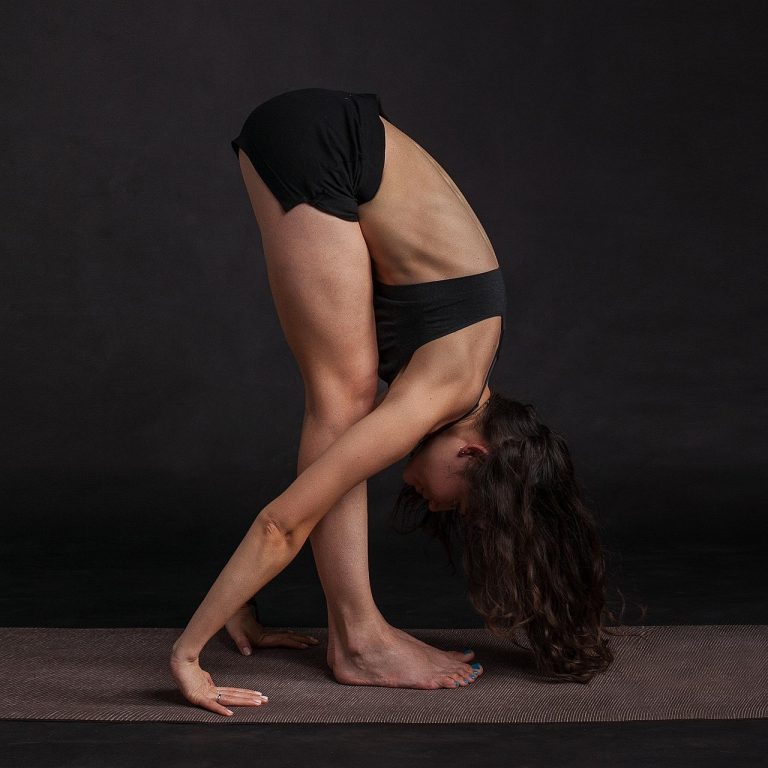
Stand with your feet shoulder-width apart and slowly bend forward, reaching towards your toes. Note how far down you can reach and any discomfort you experience.
What to look for:
While hamstring flexibility plays a role, limited spinal mobility can also restrict your ability to bend forward. If you struggle to reach your toes or experience significant discomfort, it may be a sign of spinal stiffness.
Stand with your feet shoulder-width apart and gently bend to the side, sliding your hand down the side of your leg. Repeat on both sides, noting any differences in range of motion or discomfort.
What to look for:
This test assesses lateral spinal flexion. Limitations or pain may indicate stiffness in the muscles and joints along the side of your spine.
This gentle exercise improves spinal flexibility and coordination. Start on your hands and knees, with your hands directly under your shoulders and your knees directly under your hips. As you inhale, arch your back, drop your belly, and lift your head (cow pose). As you exhale, round your spine, tuck your chin to your chest, and engage your abdominal muscles (cat pose). Repeat 10-15 times.
Benefits:
Spinal twists improve rotational mobility. Sit on the floor with your legs extended in front of you. Bend your right knee and place your right foot outside of your left knee. Place your left hand behind you for support and gently twist your upper body to the right, looking over your right shoulder. Hold for 20-30 seconds and repeat on the other side.
Progression: You can also perform spinal twists while lying on your back, drawing one knee towards your chest and gently twisting your hips to the opposite side.
Benefits:
Pelvic tilts improve lower back mobility and stability. Lie on your back with your knees bent and your feet flat on the floor. Gently tilt your pelvis forward, creating a small arch in your lower back (anterior pelvic tilt). Then, tilt your pelvis backward, flattening your lower back against the floor (posterior pelvic tilt). Repeat 10-15 times.
Benefits:
This exercise targets the thoracic spine (mid-back) and improves extension. Place a foam roller horizontally on the floor. Lie on your back with the foam roller positioned under your mid-back. Support your head with your hands and gently extend your spine over the foam roller. Move the foam roller up and down your mid-back, spending extra time on any tight spots. Do this for 2-3 minutes.
Benefits:
Maintaining good posture throughout the day is crucial for spinal health. This involves keeping your spine aligned, your shoulders relaxed, and your head level. Avoid slouching or hunching over, whether you’re sitting, standing, or walking.
Regular physical activity is essential for spinal health. Choose activities that promote spinal mobility, such as yoga, Pilates, swimming, or Tai Chi. Aim for at least 30 minutes of moderate-intensity exercise most days of the week.
Lifting heavy objects improperly can strain your back and increase your risk of injury. Always bend at your knees, keep your back straight, and hold the object close to your body. Avoid twisting while lifting.
Improving and maintaining spinal mobility is an investment in your overall health and well-being. By understanding the importance of spinal flexibility, assessing your own mobility, and incorporating targeted exercises and lifestyle modifications into your routine, you can enhance your physical function, reduce pain, and optimize nerve function. Remember to consult with a healthcare professional before starting any new exercise program, especially if you have any existing spinal conditions. Prioritize your spinal health, and you’ll be well on your way to a more comfortable and active life.