Feeling tight in the back of your legs? You’re not alone! Hamstring tightness is a common complaint, especially for athletes, desk workers, and anyone who spends significant time sitting. Tight hamstrings can lead to back pain, knee issues, and limited mobility. Fortunately, incorporating regular hamstring stretches into your routine can significantly improve flexibility, reduce discomfort, and enhance overall physical well-being. This guide will provide a comprehensive overview of effective hamstring stretches and how to safely integrate them into your daily life.
Understanding Your Hamstrings
Anatomy and Function
The hamstring muscle group is located at the back of your thigh and consists of three muscles:
- Biceps femoris: Runs along the outside of the thigh.
- Semitendinosus: Runs along the inside of the thigh.
- Semimembranosus: Also runs along the inside of the thigh, deeper than the semitendinosus.
These muscles originate at the ischial tuberosity (the “sit bones” of your pelvis) and insert on the lower leg (tibia and fibula). Their primary functions include:
Causes of Tight Hamstrings
Several factors can contribute to hamstring tightness:
- Sedentary Lifestyle: Prolonged sitting shortens the hamstrings.
- Lack of Stretching: Insufficient stretching after exercise or during daily routines.
- Muscle Imbalances: Weak glutes or tight hip flexors can contribute to hamstring strain.
- Overuse: Repetitive movements in sports or physical activities without proper recovery.
- Poor Posture: Slouching can put extra strain on the hamstrings.
Benefits of Hamstring Stretches
Improved Flexibility and Mobility
Regular hamstring stretching increases the range of motion in your legs and hips, making everyday activities easier.
Reduced Back Pain
Tight hamstrings can pull on the pelvis, contributing to lower back pain. Stretching can alleviate this tension and improve spinal alignment. One study published in the “Journal of Orthopaedic & Sports Physical Therapy” found a significant correlation between hamstring flexibility and reduced lower back pain.
Enhanced Athletic Performance
Flexible hamstrings allow for a greater range of motion in running, jumping, and other athletic activities, improving performance and reducing the risk of injury.
Injury Prevention
Stretching can help prevent hamstring strains and tears, particularly important for athletes and active individuals.
Better Posture
By improving flexibility and reducing tension, hamstring stretches contribute to better posture and overall body alignment.
Effective Hamstring Stretches: Techniques and Tips
Standing Hamstring Stretch
How to perform:
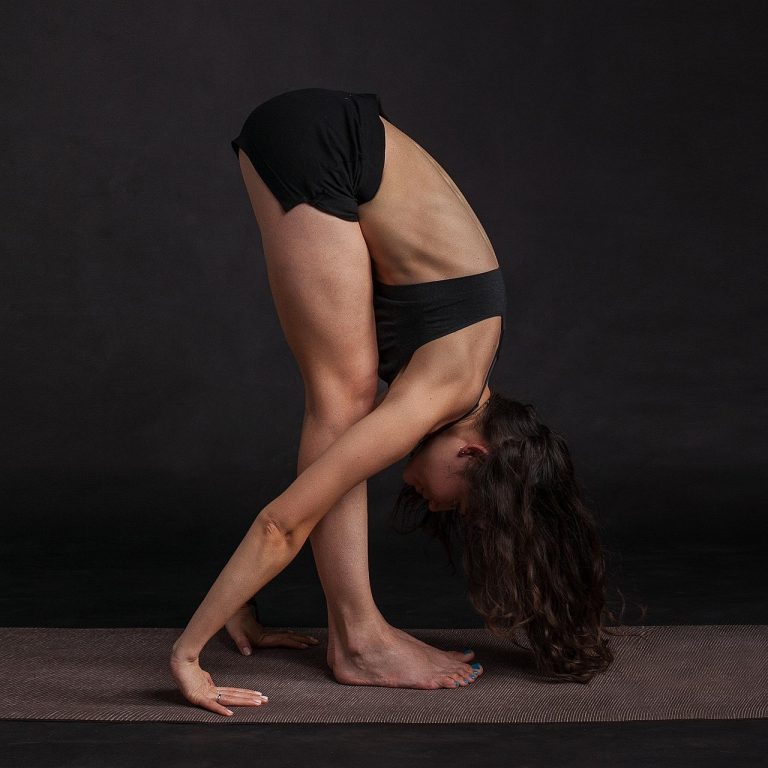
- Stand with your feet hip-width apart.
- Keep your knees slightly bent to avoid locking them.
- Slowly bend forward from your hips, keeping your back straight as possible.
- Reach towards your toes. You don’t need to touch them – focus on the stretch in the back of your legs.
- Hold for 20-30 seconds, then slowly return to an upright position.
Tips: Avoid bouncing. If you can’t reach your toes, you can hold onto your shins or ankles. Maintain a gentle stretch without pushing yourself too hard.
Seated Hamstring Stretch
How to perform:
- Sit on the floor with your legs extended straight out in front of you.
- Sit up tall and engage your core.
- Reach towards your toes, bending from your hips. Keep your back as straight as possible.
- Hold for 20-30 seconds, then slowly return to the starting position.
Tips: If you have difficulty reaching your toes, you can loop a towel or resistance band around your feet and pull gently. Focus on maintaining a straight back to avoid rounding, which can put pressure on your spine.
Lying Hamstring Stretch with Strap
How to perform:
- Lie on your back with your knees bent and feet flat on the floor.
- Extend one leg straight up towards the ceiling.
- Loop a strap or towel around the ball of your foot.
- Gently pull the strap to deepen the stretch, keeping your leg as straight as comfortable.
- Hold for 20-30 seconds, then slowly lower your leg.
- Repeat 2-3 times on each leg.
Tips: Keep the other leg bent for stability. Avoid locking your knee. The key is to feel a gentle pull, not sharp pain.
Towel Hamstring Stretch
How to perform:
- Lie on your back with both knees bent and feet flat on the floor.
- Bring one knee toward your chest.
- Loop a towel around the ball of that foot.
- Gradually straighten your knee, pulling gently on the towel to deepen the stretch.
- Hold for 20-30 seconds, and then bend your knee again to release the stretch.
- Repeat 2-3 times on each leg.
Dynamic Hamstring Stretches: Leg Swings
How to perform:
- Stand tall and hold onto a wall or chair for balance.
- Swing one leg forward and backward in a controlled motion.
- Gradually increase the range of motion, but avoid forcing it.
- Perform 10-15 swings on each leg.
Tips: Keep your core engaged and avoid swinging your leg too high at the beginning. Focus on controlled movement rather than speed.
Incorporating Hamstring Stretches into Your Routine
When to Stretch
- After Exercise: When your muscles are warm and pliable.
- During Warm-Ups: Dynamic stretches like leg swings are ideal before exercise.
- Throughout the Day: Short stretching breaks during work or prolonged sitting.
- Before Bed: Gentle stretches can help relax your muscles and improve sleep.
Frequency and Duration
- Aim to stretch your hamstrings at least 2-3 times per week.
- Hold each static stretch for 20-30 seconds.
- Repeat each stretch 2-3 times.
Safety Precautions
- Listen to your body: Never force a stretch beyond your comfort level.
- Avoid bouncing: Bouncing can cause muscle tears.
- Breathe deeply: Deep breathing helps relax your muscles and enhance the stretch.
- Consult a professional: If you have any injuries or medical conditions, consult a physical therapist or healthcare provider before starting a new stretching routine.
Conclusion
Incorporating hamstring stretches into your daily or weekly routine is a simple yet powerful way to improve flexibility, reduce pain, and enhance overall well-being. By understanding the anatomy and function of your hamstrings, utilizing effective stretching techniques, and following safety precautions, you can unlock the many benefits of flexible hamstrings and enjoy a more comfortable and active life. Remember to listen to your body, be consistent with your stretching, and consult with a professional if you have any concerns. Embrace the journey towards greater flexibility and enjoy the positive impact it has on your physical and mental health.