Physical Address
304 North Cardinal St.
Dorchester Center, MA 02124
Physical Address
304 North Cardinal St.
Dorchester Center, MA 02124


Feeling tight? Stiff? Like your body is permanently protesting your daily activities? You’re not alone! In today’s fast-paced world, many of us neglect the simple yet powerful practice of stretching. But stretching isn’t just for athletes or yogis. A regular routine, incorporating strategic “stretch and hold” techniques, can significantly improve flexibility, reduce pain, and boost overall well-being. This comprehensive guide will delve into the benefits of stretch and hold, explore different techniques, and provide practical tips for incorporating it into your daily life.
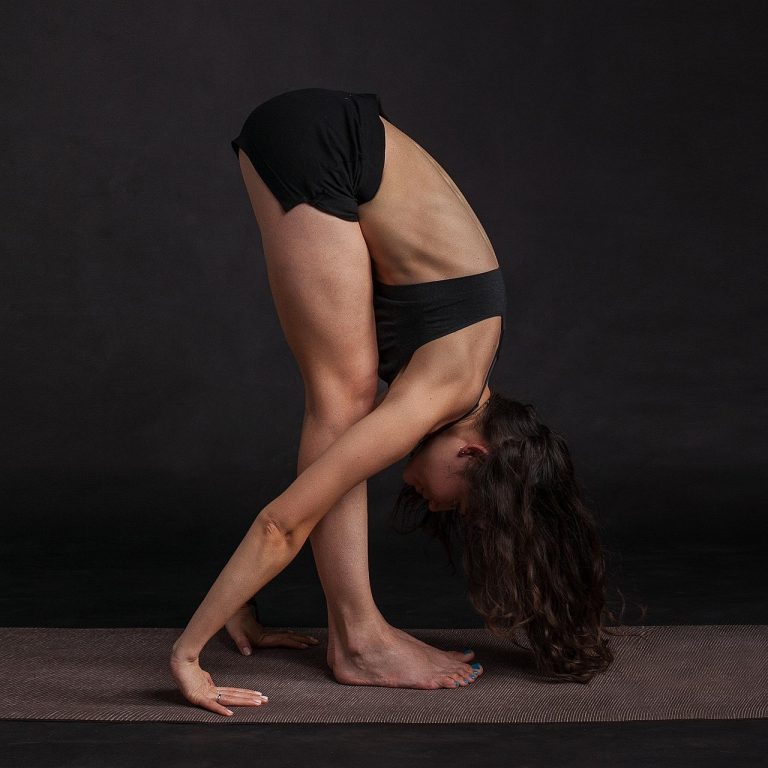
Stretch and hold, also known as static stretching, involves lengthening a muscle to a point of comfortable tension and holding that position for a sustained period. Unlike dynamic stretching, which focuses on movement, static stretching emphasizes a stationary position to improve flexibility.
When you hold a stretch, your muscles and connective tissues (like tendons and ligaments) gradually lengthen. This happens through a process called viscoelastic deformation. The nervous system also plays a role, reducing the muscle’s resistance to stretching over time, allowing for greater range of motion. It’s important to listen to your body and avoid pushing past a point of comfortable tension to prevent injury.
Static stretching is a proven method for enhancing flexibility. Regular practice increases the length and elasticity of muscles and connective tissues, allowing for a greater range of motion in your joints. This can translate to improved performance in athletic activities and everyday tasks.
Holding a stretch allows muscles to relax and release tension. This can be particularly beneficial for individuals who experience chronic muscle tightness or stiffness due to stress, poor posture, or repetitive movements. Studies have shown that static stretching can significantly reduce muscle soreness after exercise.
Stretching increases blood flow to the targeted muscles, delivering vital nutrients and oxygen. This improved circulation can aid in muscle recovery, reduce inflammation, and promote overall tissue health.
The act of stretching and holding a pose can be incredibly relaxing and meditative. Focusing on your breath and body awareness can help calm the nervous system, reduce stress hormones, and improve mental well-being. Many find it a beneficial way to manage anxiety and improve sleep quality.
By increasing flexibility and reducing muscle tension, static stretching can help prevent injuries, especially those related to muscle strains and sprains. More flexible muscles are less likely to tear or become injured when subjected to sudden or forceful movements.
While dynamic stretching is generally recommended before exercise to warm up the muscles, static stretching is more effective after a workout when muscles are already warm. Post-workout static stretching can help reduce muscle soreness and improve recovery. Some studies suggest that static stretching before exercise can temporarily decrease strength and power, so it’s generally best to reserve it for after your workout.
Start by identifying the muscle groups that feel tight or restricted. Choose a few stretches for each area and aim to hold each stretch for 30-60 seconds. Consistency is key, so try to incorporate stretching into your routine at least 2-3 times per week.
Incorporating stretch and hold techniques into your daily life offers a multitude of benefits, from improved flexibility and reduced muscle tension to enhanced circulation and stress relief. By understanding the principles of effective static stretching and creating a personalized routine, you can unlock a greater range of motion, prevent injuries, and improve your overall well-being. Remember to listen to your body, be patient with yourself, and enjoy the process of becoming more flexible and mobile. Make “stretch and hold” a regular part of your self-care routine, and experience the positive impact it can have on your physical and mental health.