Physical Address
304 North Cardinal St.
Dorchester Center, MA 02124
Physical Address
304 North Cardinal St.
Dorchester Center, MA 02124


Imagine a world where back pain is a distant memory, where you exude confidence with every step, and where you feel energized throughout the day. Improving your posture is the key to unlocking this reality. Poor posture, often a consequence of sedentary lifestyles and technology overuse, can lead to a cascade of health issues. Fortunately, incorporating simple posture exercises into your daily routine can make a world of difference. Let’s dive into practical exercises and tips that will help you stand taller, feel better, and improve your overall well-being.
Good posture is more than just standing up straight. It’s about aligning your body correctly, minimizing strain on your muscles and ligaments, and allowing your internal organs to function optimally. Ideally, a straight line should be able to be drawn from your ear, through your shoulder, hip, knee, and ankle.
The effects of poor posture extend far beyond just aesthetics. Here are some common problems associated with it:
Conversely, improving your posture brings numerous benefits:
Chin tucks are a simple yet effective exercise to combat forward head posture, often caused by excessive screen time.
Practical Tip: Perform chin tucks several times a day, especially if you spend long hours at a desk.
This exercise strengthens the muscles between your shoulder blades, helping to pull your shoulders back and open up your chest.
Practical Tip: Focus on engaging the muscles in your upper back, not just shrugging your shoulders.
This stretch counteracts rounded shoulders, often a result of prolonged sitting or slouching.
Practical Tip: Perform this stretch several times a day, especially after prolonged periods of sitting.
A strong core is essential for maintaining good posture. Here are two effective core exercises:
Practical Tip: Focus on proper form rather than speed. Engage your core muscles throughout the exercise.
Your workstation setup plays a crucial role in your posture. Here’s how to optimize it:
Prolonged sitting is detrimental to posture. Take regular breaks to move around and stretch.
Your sleeping position can also impact your posture. Here are some recommendations:
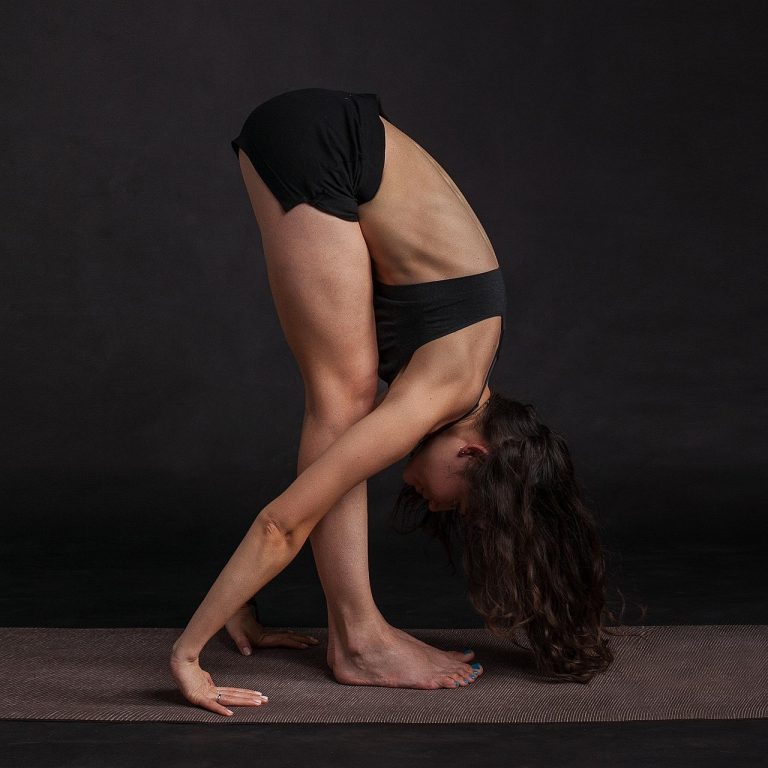
Yoga and Pilates are excellent for improving posture by strengthening core muscles, increasing flexibility, and promoting body awareness. Certain poses, like mountain pose, cobra pose, and plank, are particularly beneficial for posture correction.
If you have chronic pain or significant postural imbalances, consider seeking professional help. Physical therapists and chiropractors can assess your posture, identify underlying issues, and develop a personalized treatment plan.
Foam rolling can help release tight muscles that contribute to poor posture. Focus on areas like your upper back, chest, and hip flexors. Roll each area for 30-60 seconds, applying gentle pressure.
Improving your posture is a journey, not a destination. By incorporating these posture exercises, ergonomic adjustments, and mindful movement into your daily routine, you can significantly improve your posture, reduce pain, and enhance your overall well-being. Remember consistency is key. Even small changes, consistently applied, can lead to remarkable results. So, stand tall, embrace these strategies, and unlock a healthier, more confident you!