Feeling stressed, stiff, or just plain tight? You’re not alone. In today’s fast-paced world, our bodies often bear the brunt of long hours, sedentary lifestyles, and the constant demands of daily life. Luckily, incorporating relaxing stretches into your routine can be a game-changer. These gentle movements help release tension, improve flexibility, and promote a sense of calm, allowing you to move more freely and feel more at ease. This guide will walk you through some of the best relaxing stretches you can easily integrate into your day.
Understanding the Benefits of Relaxing Stretches
Stretching isn’t just about touching your toes; it’s a vital component of overall well-being. Incorporating relaxing stretches into your daily or weekly routine offers a multitude of benefits that go beyond simple flexibility.
Physical Benefits
- Improved Flexibility and Range of Motion: Regular stretching helps lengthen muscles and increase joint mobility, making everyday activities easier and reducing the risk of injury. Studies show that consistent stretching can improve range of motion by up to 30% in some individuals.
- Reduced Muscle Tension and Stiffness: Stretching helps release built-up tension in muscles, relieving aches and pains, particularly in the neck, shoulders, and back.
- Improved Circulation: Stretching increases blood flow to muscles, promoting faster recovery and reducing inflammation.
- Better Posture: Strengthening and stretching specific muscle groups, like those in the back and core, can help improve posture and reduce back pain.
Mental and Emotional Benefits
- Stress Reduction: Gentle stretches can activate the parasympathetic nervous system, which helps to calm the mind and reduce stress hormones like cortisol.
- Improved Mood: Stretching releases endorphins, which have mood-boosting effects.
- Increased Body Awareness: Focusing on your body during stretching exercises promotes mindfulness and helps you become more aware of tension and discomfort.
- Enhanced Relaxation: The act of stretching can be a meditative experience, allowing you to disconnect from the stresses of the day and focus on the present moment.
Key Relaxing Stretches to Incorporate
These stretches are designed to be gentle and effective for releasing tension and promoting relaxation. Remember to listen to your body and avoid pushing yourself beyond your comfort zone.
Neck Stretches
- Neck Tilts: Gently tilt your head to the right, bringing your ear towards your shoulder. Hold for 20-30 seconds, feeling the stretch on the left side of your neck. Repeat on the other side. This releases tension in the upper trapezius muscle.
- Neck Rotations: Slowly rotate your head clockwise and counterclockwise, paying attention to any areas of tightness. Perform 5-10 rotations in each direction.
- Chin Tucks: Gently tuck your chin towards your chest, feeling a stretch in the back of your neck. Hold for 10-15 seconds and repeat 5-10 times. This counteracts the forward head posture common with desk work.
Shoulder Stretches
- Cross-Body Shoulder Stretch: Bring one arm across your body and gently pull it closer with your other hand, feeling the stretch in your shoulder. Hold for 20-30 seconds and repeat on the other side.
- Behind-the-Back Clasp: Clasp your hands behind your back and gently lift your arms, opening up your chest and stretching your shoulders. If you can’t clasp your hands, use a towel or strap. Hold for 20-30 seconds.
- Shoulder Rolls: Gently roll your shoulders forward and backward in a circular motion for 10-15 repetitions in each direction. This improves circulation and reduces tension.
Back Stretches
- Cat-Cow Stretch: Start on your hands and knees. Inhale as you arch your back, dropping your belly towards the floor (cow pose). Exhale as you round your spine towards the ceiling, tucking your chin to your chest (cat pose). Repeat 5-10 times. This improves spinal mobility and flexibility.
- Child’s Pose: Start on your hands and knees. Sit back on your heels, extend your arms forward, and rest your forehead on the floor. Hold for 30-60 seconds, focusing on your breath. This is excellent for relieving back tension and promoting relaxation.
- Knee-to-Chest Stretch: Lie on your back and bring one knee towards your chest, gently pulling it closer with your hands. Hold for 20-30 seconds and repeat on the other side. This releases tension in the lower back and hips.
Leg Stretches
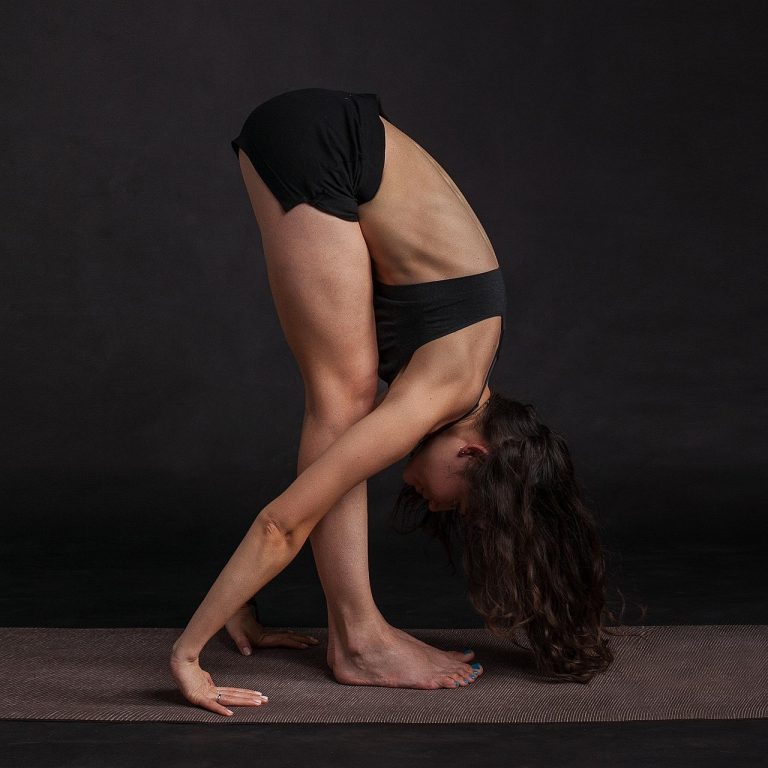
- Hamstring Stretch: Sit on the floor with one leg extended and the other bent. Reach towards your toes on the extended leg, keeping your back straight as possible. Hold for 20-30 seconds and repeat on the other side. If you can’t reach your toes, use a towel or strap.
- Quadriceps Stretch: Stand and hold onto a chair or wall for support. Grab your ankle and gently pull your heel towards your buttock, feeling the stretch in the front of your thigh. Hold for 20-30 seconds and repeat on the other side.
- Calf Stretch: Stand facing a wall and place one foot slightly behind the other. Lean forward, keeping your back heel on the ground, until you feel a stretch in your calf. Hold for 20-30 seconds and repeat on the other side.
Creating Your Relaxing Stretching Routine
Consistency is key when it comes to experiencing the benefits of stretching. Here’s how to create a routine that works for you:
Determine Your Goals
- What do you want to achieve? Are you aiming to reduce stress, improve flexibility, or alleviate pain? Knowing your goals will help you choose the most effective stretches.
- Assess your current flexibility. This will help you set realistic expectations and track your progress.
Schedule Time for Stretching
- Integrate stretching into your daily routine. Aim for at least 10-15 minutes of stretching each day. You can stretch in the morning, before bed, or during breaks throughout the day.
- Choose a time that works best for you. Some people prefer to stretch first thing in the morning to start the day feeling refreshed, while others find stretching before bed helps them relax and sleep better.
Focus on Proper Form
- Maintain correct posture. Proper form is essential to avoid injury and maximize the benefits of each stretch. Watch videos or consult with a physical therapist to ensure you are performing the stretches correctly.
- Breathe deeply and evenly. Focus on your breath as you stretch, inhaling and exhaling slowly and deeply. This will help you relax and deepen the stretch.
Listen to Your Body
- Avoid pushing yourself too hard. Stretching should feel gentle and comfortable. If you feel any pain, stop immediately and adjust your position.
- Be patient and consistent. It takes time to improve flexibility, so don’t get discouraged if you don’t see results immediately. Stay consistent with your stretching routine, and you will gradually notice improvements over time.
Tips for Enhancing Your Stretching Experience
Beyond the stretches themselves, consider these tips to create a more relaxing and effective experience.
Create a Relaxing Environment
- Choose a quiet and comfortable space. Dim the lights, play soothing music, and eliminate distractions.
- Use aromatherapy. Essential oils like lavender, chamomile, and eucalyptus can help promote relaxation and reduce stress.
Use Props
- Yoga mats: Provide a comfortable surface for stretching on the floor.
- Straps: Help you reach your toes or other body parts if you have limited flexibility.
- Foam rollers: Can be used to massage tight muscles before stretching.
Stay Hydrated
- Drink plenty of water. Hydration is essential for muscle health and flexibility. Aim to drink at least eight glasses of water per day.
- Avoid caffeine and alcohol before stretching. These substances can dehydrate your muscles and increase the risk of injury.
Conclusion
Incorporating relaxing stretches into your daily life is a powerful way to improve your physical and mental well-being. By understanding the benefits, practicing key stretches, and creating a personalized routine, you can unlock a world of greater flexibility, reduced stress, and enhanced overall health. Remember to listen to your body, stay consistent, and enjoy the journey towards a more relaxed and flexible you. Start small, be patient, and celebrate your progress along the way!