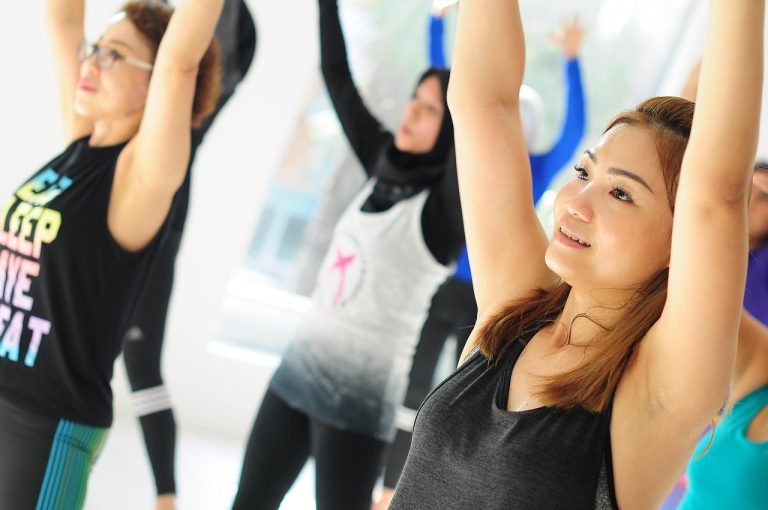
After crushing that workout, you might be tempted to grab a protein shake and collapse on the couch. But hold on! Don’t skip the vital cool-down phase: post-workout stretching. Incorporating stretching into your post-exercise routine is just as crucial as the workout itself, offering a multitude of benefits that go beyond simply feeling good. This comprehensive guide will delve into the why, what, and how of post-workout stretching, ensuring you maximize your recovery and performance.
Why Post-Workout Stretching Matters
Recovery and Muscle Repair
Stretching after a workout aids in recovery and muscle repair by:
- Increasing blood flow: Enhanced circulation delivers essential nutrients to fatigued muscles, accelerating the repair process.
- Reducing muscle soreness (DOMS): While stretching won’t completely eliminate soreness, it can lessen its severity by reducing muscle stiffness and tension. Studies have shown that static stretching post-exercise can lead to a statistically significant reduction in perceived muscle soreness.
- Removing metabolic waste: Working out produces metabolic byproducts like lactic acid. Stretching helps clear these wastes, further aiding recovery.
Improved Flexibility and Range of Motion
Consistent post-workout stretching contributes to long-term flexibility gains:
- Enhanced joint mobility: Stretching maintains and improves the range of motion around joints, preventing stiffness and improving overall movement efficiency.
- Increased muscle length: Regular stretching elongates muscle fibers, leading to greater flexibility and reduced risk of injury.
- Better posture: Improved flexibility can contribute to better posture by reducing muscle imbalances that pull the body out of alignment.
Injury Prevention
Stretching plays a crucial role in injury prevention:
- Reduced muscle tightness: Tight muscles are more prone to strains and tears. Stretching helps alleviate this tightness, reducing the risk of injury.
- Improved muscle balance: Addressing muscle imbalances through targeted stretching can prevent compensatory movement patterns that lead to injury.
- Increased muscle elasticity: Elastic muscles are better able to absorb and distribute forces, minimizing the risk of injury during physical activity.
Types of Post-Workout Stretches
Choosing the right stretching technique is key:
Static Stretching
- Definition: Holding a stretch in a stationary position for a prolonged period, typically 15-30 seconds.
- Benefits: Effective for increasing flexibility and reducing muscle tension.
- Examples:
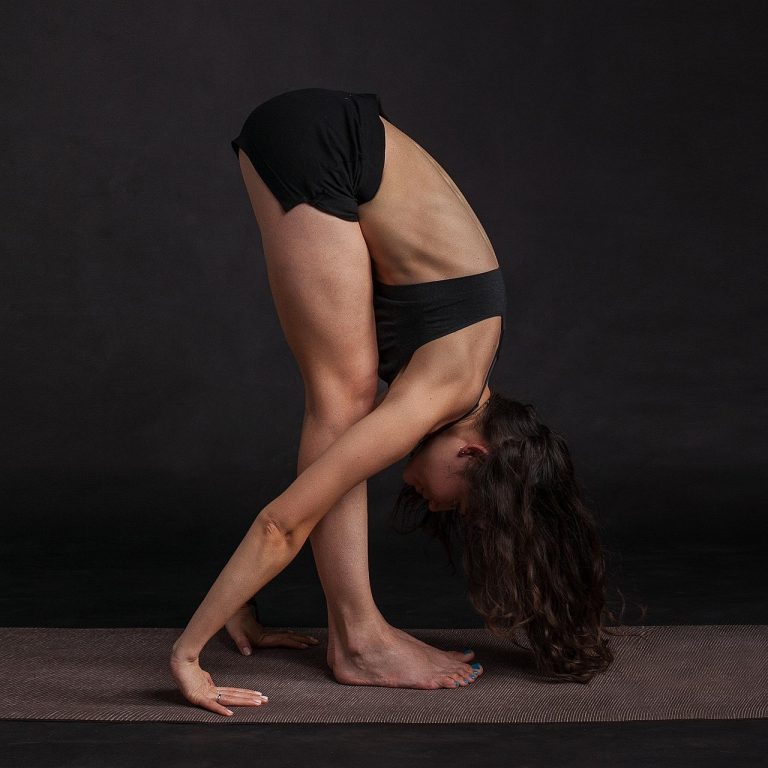
Hamstring Stretch: Sit with legs extended and reach towards your toes, holding the stretch.
Quadriceps Stretch: Stand and pull your heel towards your glutes, holding the stretch.
Calf Stretch: Lean against a wall with one leg extended behind you, heel on the ground, and feel the stretch in your calf.
Dynamic Stretching
- Definition: Controlled movements that gradually increase range of motion. Usually better suited before a workout as a warm up. Can still be used after a workout if very gentle.
- Benefits: Improves flexibility, circulation and prepares the muscles for activity.
- Examples:
Arm Circles: Gently swing your arms in forward and backward circles.
Leg Swings: Gently swing your legs forward and backward, keeping your core engaged.
Torso Twists: Stand with feet shoulder-width apart and gently twist your torso from side to side.
Foam Rolling (Self-Myofascial Release)
- Definition: Using a foam roller to apply pressure to specific muscles, releasing tension and knots.
- Benefits: Improves muscle flexibility, reduces pain, and enhances recovery.
- Examples:
Foam Rolling Hamstrings: Sit with the foam roller under your hamstrings and roll back and forth.
Foam Rolling Quads: Lie face down with the foam roller under your quads and roll back and forth.
* Foam Rolling Calves: Sit with the foam roller under your calves and roll back and forth.
Key Muscle Groups to Target After a Workout
Prioritize these areas for optimal recovery:
Lower Body
- Hamstrings: These muscles are often tight, especially after running or leg workouts. Static hamstring stretches are highly effective.
- Quadriceps: Stretching the quads helps improve knee mobility and reduces tightness in the front of the thighs.
- Calves: Tight calves can contribute to ankle and foot problems. Stretching the calves improves flexibility and reduces the risk of injury.
- Glutes: Glute stretches are important for hip mobility and lower back health. The figure-four stretch (lying on your back and placing one ankle on the opposite knee, then pulling the opposite thigh towards your chest) is particularly effective.
Upper Body
- Chest: Stretching the chest improves posture and reduces tightness in the pectoral muscles. Try doorway stretches or chest openers.
- Back: Back stretches help relieve tension and improve spinal mobility. Cat-cow stretches or seated twists are beneficial.
- Shoulders: Shoulder stretches improve range of motion and reduce stiffness. Cross-body arm stretches or shoulder rotations are effective.
- Triceps: Tricep stretches help improve elbow mobility and reduces tightness in the back of the upper arm. An overhead tricep stretch can be performed by reaching one hand to the middle of your back, then using the opposite hand to gently push your elbow further downward.
Proper Stretching Technique and Guidelines
Follow these guidelines for safe and effective stretching:
Warm-Up First
- Light Activity: Before stretching, engage in a few minutes of light cardio, such as walking or jogging, to increase blood flow to your muscles.
- Dynamic Movements: Perform a few dynamic stretches to prepare your muscles for static stretching.
Hold Each Stretch
- Sustained Hold: Hold each static stretch for 15-30 seconds. This allows the muscles to relax and lengthen.
- Controlled Breathing: Breathe deeply and evenly throughout each stretch to promote relaxation and improve oxygen delivery to the muscles.
Avoid Bouncing
- Static Position: Maintain a static position throughout the stretch. Bouncing can cause muscle tears and injuries.
- Gentle Progression: Gradually deepen the stretch as your muscles relax. Avoid forcing the stretch beyond your comfortable range of motion.
Listen to Your Body
- Pain Indicator: Stretching should feel like a gentle pull, not sharp pain. If you experience pain, ease off the stretch.
- Individual Needs: Adjust the intensity and duration of stretches based on your individual flexibility and fitness level.
Sample Post-Workout Stretching Routine
Here’s a routine you can incorporate after your workouts:
Hamstring Stretch: 3 sets, 30 seconds hold per set (seated or standing)
Quadriceps Stretch: 3 sets, 30 seconds hold per set (standing)
Calf Stretch: 3 sets, 30 seconds hold per set (against a wall)
Glute Stretch (Figure-Four): 3 sets, 30 seconds hold per set (lying on back)
Chest Stretch (Doorway): 3 sets, 30 seconds hold per set (standing in a doorway)
Shoulder Stretch (Cross-Body): 3 sets, 30 seconds hold per set (standing)
Remember to adjust this routine based on the specific muscles you worked during your workout.
Conclusion
Making post-workout stretching a consistent part of your fitness regimen is an investment in your long-term health and performance. By understanding the benefits, techniques, and guidelines outlined in this guide, you can optimize your recovery, improve flexibility, and minimize your risk of injury. So, take a few extra minutes after each workout to stretch – your body will thank you!