Physical Address
304 North Cardinal St.
Dorchester Center, MA 02124
Physical Address
304 North Cardinal St.
Dorchester Center, MA 02124


Unwinding after a long day shouldn’t just involve Netflix and a snack. Imagine melting away the day’s stress and tension with a few gentle stretches before bed. Evening stretches can dramatically improve your sleep quality, reduce muscle stiffness, and prepare your body for restful recovery. This isn’t just about flexibility; it’s about promoting overall well-being and optimizing your body’s natural relaxation response. Let’s explore how incorporating evening stretches into your routine can transform your nights.
One of the most significant benefits of evening stretches is their positive impact on sleep. Studies have shown that regular stretching can help reduce insomnia symptoms and improve sleep duration. Gentle stretching promotes relaxation, which is crucial for falling asleep and staying asleep throughout the night.
A study published in the “Journal of Physical Therapy Science” found that participants who engaged in regular stretching exercises experienced significant improvements in sleep quality compared to those who did not.
The day’s stresses often manifest as tension in the body. Evening stretches provide a way to release this accumulated stress. Focused stretching can help quiet your mind and promote a sense of calm, making it easier to detach from daily anxieties.
Practical Tip: Combine your stretching routine with calming music or aromatherapy to further enhance the relaxation benefits.
Spending hours sitting or engaging in repetitive movements can lead to muscle stiffness and reduced flexibility. Evening stretches help counteract these effects by increasing blood flow to muscles and improving joint range of motion. This can alleviate pain and discomfort, leading to a more comfortable night’s sleep and a better start to the following day.
Example: People with desk jobs often experience tight hamstrings and hip flexors. Specific stretches targeting these areas can significantly improve comfort and mobility.
Releasing tension in the upper body is essential for relaxation. These stretches target common areas of stiffness, such as the neck, shoulders, and back.
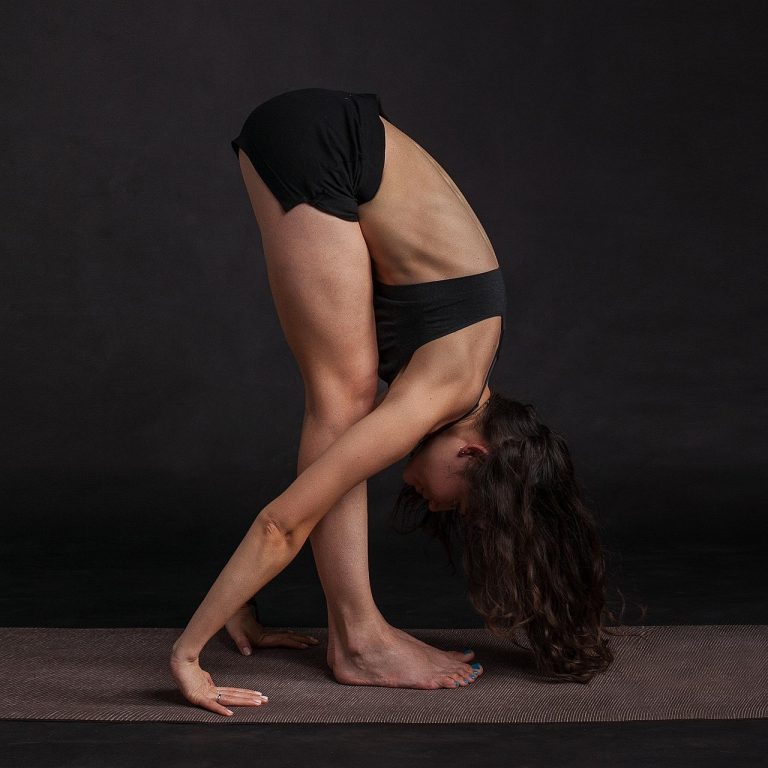
The lower body often bears the brunt of physical activity and prolonged sitting. These stretches focus on the hips, hamstrings, and calves.
These stretches integrate multiple muscle groups and promote overall flexibility and relaxation.
Aim to stretch for 10-15 minutes each evening, ideally 1-2 hours before bed. This allows your body to fully relax and prepare for sleep.
Create a relaxing environment to enhance the benefits of your stretching routine.
Deep breathing is an integral part of stretching and promotes relaxation.
Avoid pushing yourself too hard, especially when starting out. Stretching should feel gentle and comfortable, not painful. Pain is a sign that you’re pushing beyond your limits and could risk injury.
Breathing is essential for relaxation and muscle flexibility. Holding your breath can increase tension and reduce the effectiveness of your stretches.
While evening stretches are generally gentle, a brief warm-up can help prepare your muscles for stretching. A few minutes of light cardio, such as walking or arm circles, can increase blood flow and reduce the risk of injury.
The benefits of evening stretches are cumulative. Skipping stretches for extended periods can negate the progress you’ve made. Aim for consistency to reap the full rewards.
Incorporating evening stretches into your daily routine can be a powerful tool for improving sleep quality, reducing stress, and increasing flexibility. By dedicating just a few minutes each night to gentle movements and deep breathing, you can create a sense of calm and prepare your body for restful recovery. Listen to your body, be consistent, and enjoy the many benefits that evening stretches can bring to your overall well-being. Make it a habit, and wake up feeling refreshed and ready to tackle the day ahead!