Tight hamstrings can be a real pain, limiting your flexibility, impacting your posture, and even contributing to lower back pain. Whether you’re an athlete striving for peak performance, a desk worker battling stiffness, or simply someone looking to improve their overall well-being, incorporating hamstring stretches into your routine is a game-changer. This guide dives deep into the world of hamstring stretches, providing you with the knowledge and tools to unlock greater flexibility and movement.
Understanding Your Hamstrings
What are the Hamstrings?
The hamstrings are a group of three muscles located at the back of your thigh: the biceps femoris, semitendinosus, and semimembranosus. They originate at the ischial tuberosity (the “sit bone”) and insert just below the knee. These muscles play a crucial role in:
- Bending (flexing) the knee
- Extending the hip (moving the leg backward)
- Stabilizing the knee joint
Why Hamstring Flexibility Matters
Flexible hamstrings are essential for a variety of reasons:
- Improved Posture: Tight hamstrings can pull the pelvis under, leading to a rounded back and poor posture.
- Reduced Lower Back Pain: Tight hamstrings can contribute to lower back strain and pain. According to the American Physical Therapy Association, hamstring tightness is often associated with low back pain.
- Enhanced Athletic Performance: Flexible hamstrings allow for a greater range of motion in the hips and knees, improving performance in activities like running, jumping, and squatting.
- Decreased Risk of Injury: Tight hamstrings are more prone to strains and tears. Stretching helps improve elasticity and reduces the risk of injury.
- Increased Range of Motion: Improved flexibility makes everyday movements easier and more comfortable.
Effective Hamstring Stretches
Static Stretches
Static stretches involve holding a stretch for a period of time, typically 20-30 seconds. These are best performed after a workout or when your muscles are already warm.
- Seated Toe Touch: Sit on the floor with your legs extended straight out in front of you. Reach forward towards your toes, keeping your back as straight as possible. Hold for 20-30 seconds. Avoid bouncing.
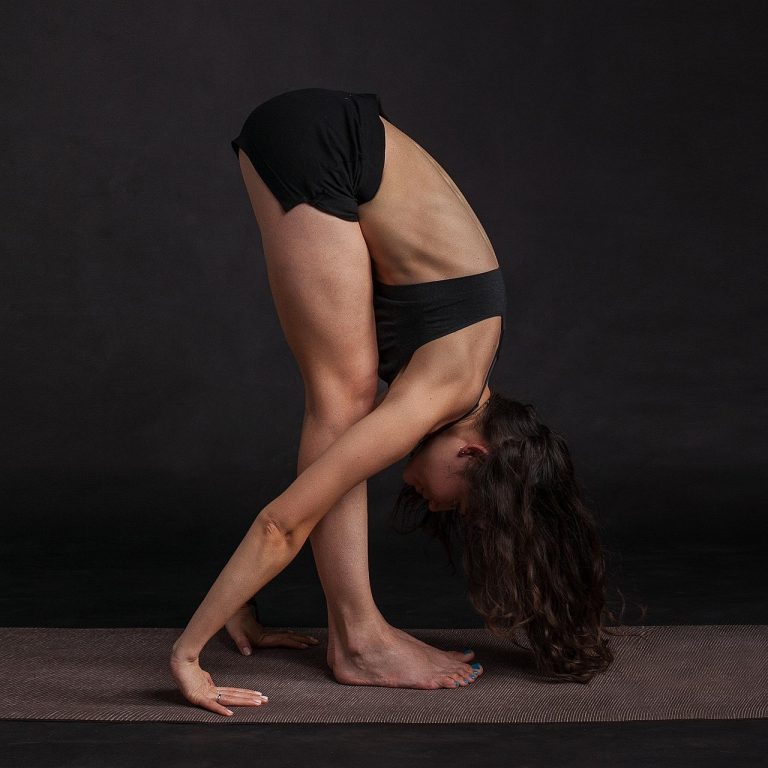
- Standing Toe Touch: Stand with your feet hip-width apart. Slowly bend forward from your hips, keeping your back as straight as possible. Reach towards your toes. If you can’t reach your toes, that’s okay, just go as far as you comfortably can. Hold for 20-30 seconds.
- Lying Hamstring Stretch with a Strap: Lie on your back with your legs extended. Loop a strap or towel around one foot. Gently pull the strap towards you, keeping your leg straight. Hold for 20-30 seconds. Repeat on the other side. This variation helps isolate the hamstring and can be adjusted based on your flexibility.
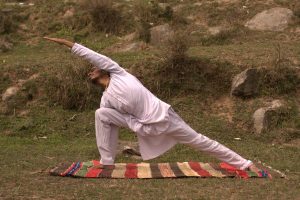
- Pyramid Pose (Standing Forward Bend): Stand with your feet about hip-width apart. Step one leg back slightly and turn your toes outward at a 45-degree angle. Hinge forward from your hips, keeping your back as straight as possible and reach for the floor. This pose not only stretches your hamstrings, but also provides a slight stretch to your calves.
Dynamic Stretches
Dynamic stretches involve controlled movements through a range of motion. These are ideal for warming up before exercise.
- Leg Swings: Stand next to a wall or chair for support. Swing one leg forward and backward in a controlled manner. Repeat 10-15 times on each leg.
- Walking Toe Touches: Walk forward, reaching down to touch your toes with each step. Keep your legs as straight as possible.
- Butt Kicks: Jog in place, bringing your heels up towards your glutes. This activates the hamstrings.
Proprioceptive Neuromuscular Facilitation (PNF) Stretches
PNF stretching involves contracting and relaxing the muscle being stretched, which can help increase flexibility more effectively. These stretches should be done carefully and with proper technique.
- Contract-Relax Hamstring Stretch: Lie on your back with one leg extended towards the ceiling. Have a partner (or use a strap) to hold your leg in place. Gently push your leg against their resistance (or the strap) for about 6 seconds. Then, relax and allow your partner (or the strap) to gently increase the stretch. Repeat this process 2-3 times.
Incorporating Hamstring Stretches into Your Routine
When to Stretch
- Warm-up: Dynamic hamstring stretches are great before exercise.
- Cool-down: Static hamstring stretches are best after exercise.
- Daily Routine: Incorporate a few hamstring stretches into your daily routine to maintain flexibility. Even 5-10 minutes can make a difference.
How Often to Stretch
Aim to stretch your hamstrings at least 2-3 times per week. Consistency is key for improving flexibility over time.
Important Considerations
- Listen to your body: Never force a stretch. You should feel a gentle pull, not pain.
- Breathe deeply: Deep breathing helps relax the muscles and improve the effectiveness of the stretch.
- Maintain good posture: Proper form is essential to avoid injury.
- Stay hydrated: Dehydration can contribute to muscle tightness.
Common Mistakes to Avoid
Bouncing
Bouncing during a stretch can trigger the stretch reflex, causing the muscle to contract instead of relax. This can increase the risk of injury and reduce the effectiveness of the stretch.
Holding Your Breath
Holding your breath increases tension in the body and reduces oxygen flow to the muscles. Breathe deeply and evenly throughout the stretch.
Stretching Cold Muscles
Stretching cold muscles can increase the risk of injury. Always warm up before stretching. Gentle cardio or dynamic stretches are good options.
Overstretching
Pushing yourself too far too soon can lead to muscle strains or tears. Be patient and gradually increase the intensity of the stretch over time.
Advanced Hamstring Stretches
Hurdler Stretch (with caution)
The hurdler stretch is a more advanced hamstring stretch that involves sitting with one leg extended and the other bent behind you. However, this stretch can put stress on the knee joint, so it should be performed with caution and only if you have good knee flexibility.
Assisted Hamstring Stretch with a Partner
Having a partner assist you with a hamstring stretch can help you achieve a deeper stretch. Make sure your partner is trained in proper stretching techniques and communicates with you throughout the stretch.
Yoga Poses for Hamstrings
Many yoga poses, such as Downward-Facing Dog, Triangle Pose, and Seated Forward Fold, are excellent for stretching the hamstrings. Yoga can also improve overall flexibility and balance.
Conclusion
Incorporating hamstring stretches into your routine is a simple yet powerful way to improve your flexibility, reduce pain, and enhance your overall well-being. By understanding the importance of hamstring flexibility, practicing proper stretching techniques, and avoiding common mistakes, you can unlock the benefits of flexible hamstrings and enjoy a greater range of motion and movement. Start with the basic stretches and gradually progress to more advanced techniques as your flexibility improves. Remember to listen to your body, breathe deeply, and be consistent with your stretching routine. Your hamstrings – and your body – will thank you for it!