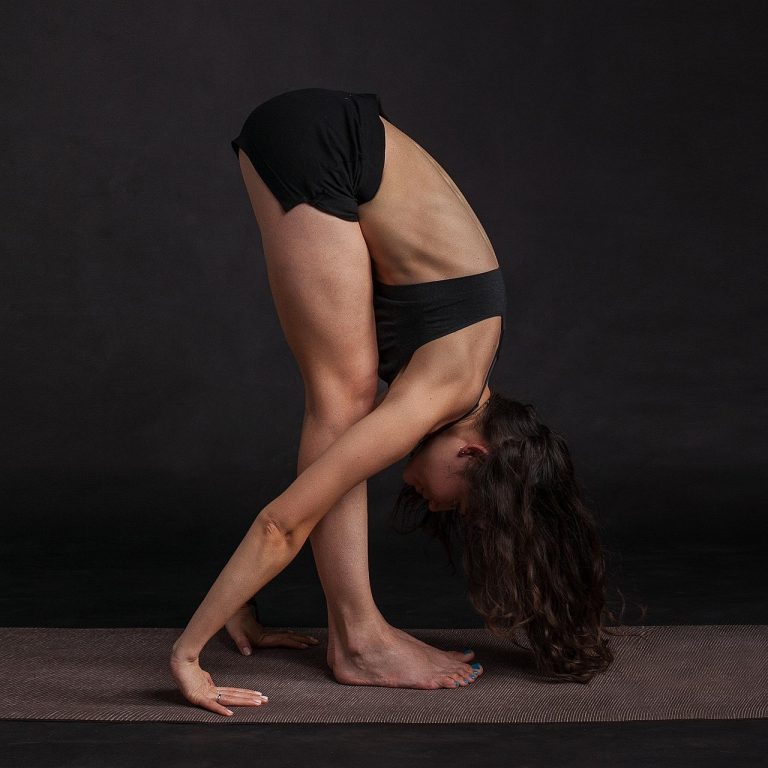
Neck pain is a common complaint, often stemming from poor posture, prolonged screen time, or even stress. But before you reach for pain medication, consider a simpler, more natural remedy: neck stretches. Incorporating regular neck stretches into your routine can alleviate tension, improve flexibility, and enhance your overall well-being. This comprehensive guide will walk you through effective neck stretches, their benefits, and how to perform them safely.
Understanding Neck Pain and Its Causes
Common Causes of Neck Pain
Neck pain can arise from a variety of factors. Identifying the cause can help tailor your stretching routine for optimal relief.
- Poor Posture: Slouching while working or using electronic devices puts extra strain on neck muscles.
- Muscle Strain: Overuse, such as repetitive movements, can lead to muscle strain.
- Stress: Stress can cause muscles to tighten, leading to neck pain and stiffness.
- Arthritis: Degenerative conditions like osteoarthritis can affect the joints in the neck.
- Injuries: Whiplash from car accidents or other injuries can cause significant neck pain.
- Prolonged Screen Time: Spending hours looking at screens can strain your neck muscles. Studies have shown a direct correlation between increased screen time and neck pain, particularly in younger adults.
The Importance of Stretching
Stretching the neck muscles offers several benefits, making it a crucial component of a pain management and prevention strategy.
- Increased Flexibility: Stretching improves the range of motion in your neck, making it easier to turn and tilt your head.
- Reduced Tension: Gentle stretches release tension in tight neck muscles, alleviating pain and stiffness.
- Improved Posture: Regular stretching can help correct postural imbalances, reducing strain on the neck.
- Stress Relief: Stretching can have a calming effect, reducing stress and promoting relaxation.
- Enhanced Blood Flow: Stretching increases blood flow to the neck muscles, promoting healing and reducing inflammation.
Effective Neck Stretches: A Step-by-Step Guide
Neck Tilts (Lateral Flexion)
This stretch targets the side neck muscles and is excellent for releasing tension from looking at screens.
- Sit or stand with your back straight and shoulders relaxed.
- Gently tilt your head to the right, bringing your right ear towards your right shoulder.
- Hold the stretch for 15-30 seconds, feeling a gentle pull on the left side of your neck.
- Repeat on the left side, bringing your left ear towards your left shoulder.
- Perform 2-3 repetitions on each side.
Tip: To deepen the stretch, gently place your hand on the side of your head (without pulling) to add slight pressure.
Neck Rotations (Head Turns)
Neck rotations improve mobility and reduce stiffness in the neck muscles.
- Sit or stand with your back straight and shoulders relaxed.
- Slowly turn your head to the right, looking over your right shoulder.
- Hold the stretch for 15-30 seconds, feeling a gentle stretch.
- Repeat on the left side, looking over your left shoulder.
- Perform 2-3 repetitions on each side.
Tip: Avoid forcing the rotation. Only turn your head as far as is comfortable.
Chin Tucks
Chin tucks strengthen the deep neck flexor muscles, which support proper posture and alleviate forward head posture.
- Sit or stand with your back straight and shoulders relaxed.
- Gently tuck your chin towards your chest, as if making a double chin.
- Hold the tuck for 5-10 seconds, feeling a gentle stretch at the base of your skull.
- Repeat 10-15 times.
Tip: Imagine you are trying to slide your head back on your neck. Keep your eyes facing forward.
Neck Extension (Looking Up)
This stretch targets the front of the neck and can help counteract the effects of prolonged downward gazing.
- Sit or stand with your back straight and shoulders relaxed.
- Gently tilt your head back, looking up towards the ceiling.
- Hold the stretch for 15-30 seconds, feeling a gentle stretch in the front of your neck.
- Return to the starting position.
- Perform 2-3 repetitions.
Tip: Be cautious not to overextend your neck, especially if you have pre-existing neck issues.
Safety Tips and Precautions
Warm-Up Before Stretching
Preparing your muscles for stretching can prevent injuries.
- Perform light cardio, such as arm circles or shoulder shrugs, for 5 minutes before stretching.
- Alternatively, take a warm shower to loosen up your muscles.
Listen to Your Body
Pay attention to your body’s signals and avoid pushing yourself too hard.
- Stretches should be gentle and comfortable. If you feel sharp pain, stop immediately.
- Avoid bouncing during stretches, as this can cause muscle strains.
- Breathe deeply and evenly throughout each stretch.
When to Seek Professional Help
In some cases, neck pain may require professional evaluation and treatment.
- If your neck pain is severe or persistent, consult a doctor or physical therapist.
- Seek medical attention if you experience numbness, tingling, or weakness in your arms or hands.
- If your neck pain is accompanied by fever, headache, or other concerning symptoms, consult a doctor immediately.
Incorporating Neck Stretches into Your Daily Routine
Create a Stretching Schedule
Consistency is key when it comes to reaping the benefits of neck stretches. Aim to stretch your neck muscles at least once or twice a day.
- Stretch during breaks from work or school.
- Include neck stretches as part of your morning or evening routine.
- Set reminders on your phone to prompt you to stretch.
Ergonomic Considerations
Creating an ergonomic workspace can help prevent neck pain.
- Adjust your computer monitor so that the top of the screen is at or slightly below eye level.
- Use a supportive chair with good lumbar support.
- Take frequent breaks to stand up, move around, and stretch.
- Consider using a standing desk to reduce prolonged sitting.
Conclusion
Neck stretches are a simple yet powerful tool for relieving neck pain, improving flexibility, and enhancing overall well-being. By understanding the causes of neck pain, learning effective stretches, and incorporating them into your daily routine, you can take proactive steps to manage your neck health. Remember to listen to your body, stretch safely, and seek professional help when needed. Embrace the practice of regular neck stretching and experience the transformative benefits it offers.