Mindful stretching transcends the realm of mere physical exercise; it’s an invitation to connect with your body, quiet your mind, and cultivate a deeper sense of presence. In our fast-paced world, where stress and tension often manifest physically, integrating mindful stretching into your routine can be a powerful tool for improving flexibility, reducing pain, and enhancing overall well-being. This article will delve into the nuances of mindful stretching, providing you with practical tips and techniques to incorporate it effectively into your daily life.
Understanding Mindful Stretching
What is Mindful Stretching?
Mindful stretching is a practice that combines traditional stretching techniques with mindfulness meditation. It involves paying close attention to the sensations in your body as you stretch, noticing your breath, and observing any thoughts or emotions that arise without judgment. It’s about being fully present in the moment, rather than simply going through the motions. This differs from traditional stretching, which often focuses solely on achieving a specific range of motion.
- Mindful stretching integrates the physical benefits of stretching with the mental benefits of mindfulness.
- It involves focusing on the present moment and noticing bodily sensations.
- It encourages a non-judgmental awareness of thoughts and emotions that arise during the practice.
Benefits of Mindful Stretching
The advantages of mindful stretching extend beyond just physical flexibility. Here are some key benefits:
- Improved Flexibility: Regular mindful stretching can gradually increase your range of motion and flexibility.
- Reduced Stress and Anxiety: By focusing on your breath and body, you can calm your nervous system and reduce feelings of stress and anxiety.
- Increased Body Awareness: Mindful stretching enhances your awareness of your body’s posture, tension points, and limitations.
- Pain Relief: It can help alleviate chronic pain conditions, such as back pain and neck pain, by releasing muscle tension and improving circulation.
- Enhanced Mental Clarity: Taking time to focus on your body and breath can improve focus and mental clarity.
- Improved Sleep Quality: The relaxation induced by mindful stretching can promote better sleep. Studies have shown that mindfulness practices can significantly improve sleep quality, with some research indicating a reduction in insomnia symptoms.
Getting Started with Mindful Stretching
Preparing Your Mind and Body
Before you begin, create a calm and quiet environment where you can focus without distractions.
- Find a quiet space: Choose a comfortable and private area where you won’t be interrupted.
- Wear comfortable clothing: Opt for loose-fitting clothes that allow for unrestricted movement.
- Set an intention: Take a moment to set an intention for your practice, such as releasing tension or cultivating self-compassion.
- Start with deep breathing: Begin with a few deep, calming breaths to center yourself and bring your attention to the present moment. A simple box breathing technique (inhale for 4, hold for 4, exhale for 4, hold for 4) can be very effective.
Basic Mindful Stretching Techniques
Here are a few simple stretches you can try, focusing on mindful awareness:
- Neck Rolls: Gently rotate your head in a circular motion, paying attention to any tension in your neck and shoulders. Inhale as you look up, exhale as you lower your chin to your chest.
- Shoulder Rolls: Rotate your shoulders forward and backward, noticing any stiffness or tightness.
- Seated Spinal Twist: Sit with your legs crossed or extended. Gently twist your torso to one side, placing your hand on your opposite knee. Feel the stretch in your spine and breathe deeply. Hold for 3-5 breaths and repeat on the other side.
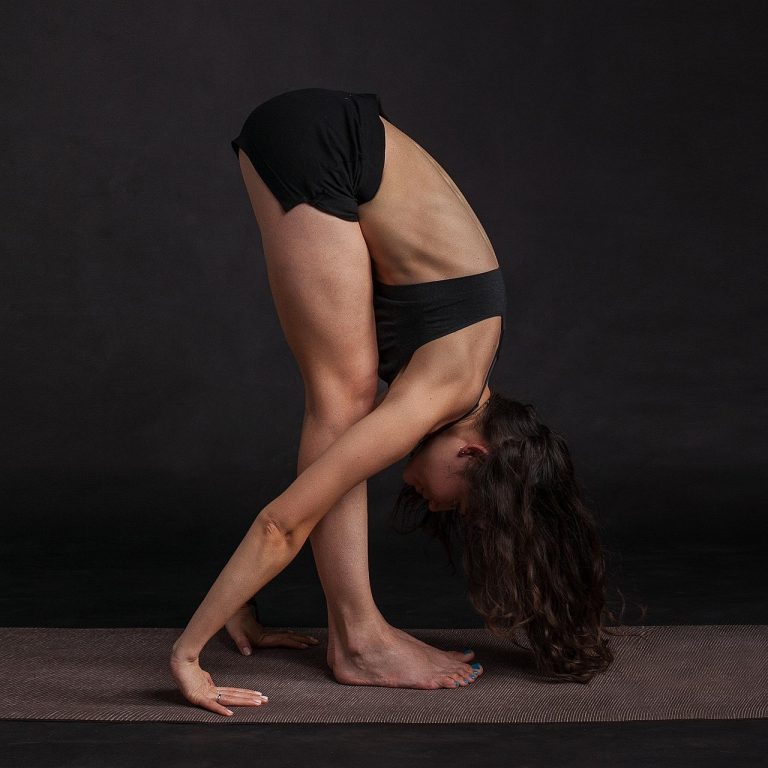
- Hamstring Stretch (Seated or Standing): Gently reach towards your toes, keeping your back straight as much as possible. Focus on the sensation in the back of your legs. If seated, you can bend your knees slightly. If standing, keep a soft bend in your knees. Avoid bouncing.
- Cat-Cow Stretch (on hands and knees): Inhale as you arch your back (cow pose), and exhale as you round your spine (cat pose). Focus on the movement of your spine and breath.
Listening to Your Body
The key to mindful stretching is to listen to your body and avoid pushing yourself too hard.
- Respect your limits: Only stretch as far as feels comfortable, without forcing or straining.
- Pay attention to pain signals: If you feel sharp or intense pain, stop immediately.
- Be patient: Flexibility improves over time with consistent practice. Don’t get discouraged if you don’t see results right away.
- Focus on sensation, not achievement: Mindful stretching isn’t about achieving a perfect pose; it’s about being present with the sensations in your body.
Incorporating Mindfulness into Your Stretching Routine
Focusing on Your Breath
Your breath is an anchor to the present moment. Pay attention to the rhythm and depth of your breath as you stretch.
- Coordinate your breath with your movements: Inhale as you lengthen and expand, and exhale as you deepen the stretch.
- Use your breath to release tension: As you exhale, consciously release any tension you may be holding in your muscles.
- Notice any changes in your breath: Observe how your breath changes as you move through different stretches.
Cultivating Awareness of Sensations
Tune into the physical sensations in your body as you stretch.
- Notice the stretch: Pay attention to the feeling of the stretch in your muscles and tissues.
- Observe any tension or discomfort: Notice any areas of tension or discomfort, and gently adjust your posture to release them.
- Acknowledge your body’s feedback: Your body is constantly giving you feedback. Learn to listen to its signals and respond accordingly.
Staying Present in the Moment
Avoid letting your mind wander to thoughts about the past or future.
- Bring your attention back when it wanders: If your mind wanders, gently bring your attention back to your breath or the sensations in your body.
- Let go of judgments: Observe your thoughts and emotions without judgment. Simply acknowledge them and let them pass.
- Embrace the present moment: Focus on the present moment and appreciate the simple act of stretching and connecting with your body.
Advanced Techniques and Considerations
Progressive Muscle Relaxation (PMR)
Integrating PMR techniques with mindful stretching can deepen relaxation and enhance the release of tension.
- Tense and Release: Before stretching a muscle group, gently tense it for a few seconds, then consciously release the tension as you exhale. For example, before stretching your hamstrings, tense your thigh muscles for 5 seconds, then release them as you begin the stretch.
- Focus on the Contrast: Pay attention to the difference between the feeling of tension and the feeling of relaxation. This heightened awareness can help you release tension more effectively.
Visualization
Using visualization techniques can enhance the effectiveness of your stretches.
- Imagine Length and Space: As you stretch, visualize your muscles lengthening and creating more space in your body. For example, when performing a spinal twist, imagine lengthening your spine with each inhale and twisting deeper with each exhale.
- Visualize Healing and Relaxation: Visualize any areas of tension or pain being soothed and healed. Imagine a warm, gentle light surrounding the area, promoting relaxation and release.
Considerations for Specific Conditions
Mindful stretching can be beneficial for various conditions, but it’s important to consult with a healthcare professional before starting a new exercise program, especially if you have any underlying health issues.
- Back Pain: Gentle stretches that target the lower back and hamstrings can help alleviate back pain. Focus on maintaining proper posture and avoiding any movements that exacerbate your pain.
- Arthritis: Mindful stretching can help improve joint mobility and reduce stiffness associated with arthritis. Choose low-impact stretches that are gentle on your joints.
- Pregnancy: Prenatal yoga and stretching can be safe and beneficial during pregnancy. Avoid stretches that put pressure on your abdomen and always listen to your body.
- Anxiety and Depression: The calming and grounding effects of mindful stretching can be particularly helpful for managing anxiety and depression. Focus on your breath and body sensations to promote relaxation and reduce feelings of overwhelm.
Conclusion
Mindful stretching is more than just a physical activity; it’s a holistic practice that integrates mind and body. By incorporating mindfulness into your stretching routine, you can unlock a wealth of benefits, including improved flexibility, reduced stress, increased body awareness, and enhanced mental clarity. Remember to listen to your body, focus on your breath, and stay present in the moment. With consistent practice, you can cultivate a deeper connection with yourself and experience the transformative power of mindful stretching. Embrace the journey and enjoy the process of moving with intention and awareness.