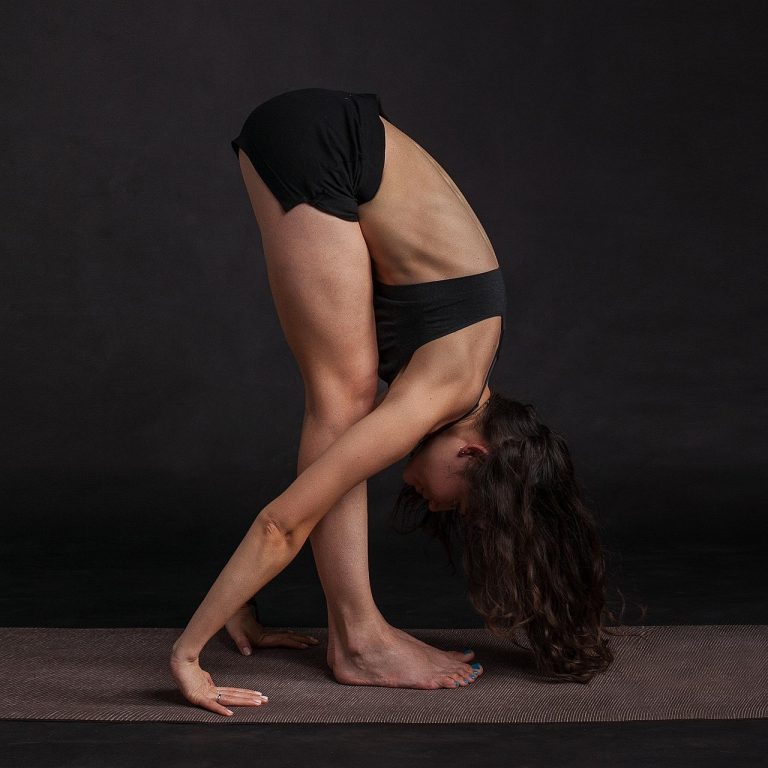
Feeling a twinge in your lower back after a long day at your desk, a tough workout, or even just waking up? You’re not alone! Lower back pain is incredibly common, affecting millions worldwide. Fortunately, incorporating regular lower back stretches into your routine can be a powerful tool for alleviating discomfort, improving flexibility, and preventing future problems. This guide will walk you through essential lower back stretches to help you regain comfort and mobility.
Understanding Lower Back Pain and the Importance of Stretching
Common Causes of Lower Back Pain
Lower back pain can stem from various sources. Identifying the potential cause is crucial for effective management. Some frequent culprits include:
- Muscle Strain: Overexertion, improper lifting techniques, or sudden movements can strain the muscles and ligaments in your lower back.
- Poor Posture: Slouching or maintaining incorrect posture for extended periods can put excessive pressure on your spine and surrounding muscles.
- Sedentary Lifestyle: Lack of physical activity can weaken core muscles, leading to instability and increased risk of back pain.
- Disc Problems: Herniated or bulging discs can compress nerves, causing pain, numbness, or tingling in the lower back and legs.
- Arthritis: Degenerative conditions like osteoarthritis can affect the spine and lead to pain and stiffness.
Benefits of Regular Lower Back Stretching
Stretching your lower back offers a wide range of advantages:
- Pain Relief: Stretching can help reduce muscle tension and spasms, providing relief from lower back pain.
- Improved Flexibility: Regular stretching increases the range of motion in your spine and surrounding muscles, making it easier to move and perform daily activities.
- Enhanced Circulation: Stretching promotes blood flow to the lower back, which can aid in healing and reduce inflammation.
- Better Posture: Strengthening core muscles through stretching can help improve posture and reduce strain on the spine.
- Stress Reduction: Stretching can have a calming effect on the nervous system, helping to reduce stress and tension that can contribute to back pain.
- Injury Prevention: By improving flexibility and strength, stretching can help prevent future lower back injuries.
Essential Lower Back Stretches: A Step-by-Step Guide
Knee-to-Chest Stretch
This stretch gently elongates the lower back muscles and can help relieve pressure on the spine.
- How to Perform: Lie on your back with your knees bent and feet flat on the floor. Gently pull one knee towards your chest, clasping your hands behind your thigh or over your shin. Hold for 20-30 seconds, feeling a gentle stretch in your lower back. Repeat on the other side. You can also pull both knees to your chest simultaneously for a deeper stretch.
- Tip: Avoid pulling too hard. Focus on a gentle, controlled stretch.
Pelvic Tilt
This exercise helps strengthen core muscles and improve posture.
- How to Perform: Lie on your back with your knees bent and feet flat on the floor. Gently tilt your pelvis upwards, pressing your lower back into the floor. Hold for a few seconds, then release. Repeat 10-15 times.
- Tip: Focus on engaging your abdominal muscles as you tilt your pelvis.
Cat-Cow Stretch
This dynamic stretch improves spinal mobility and releases tension in the lower back.
- How to Perform: Start on your hands and knees, with your hands directly under your shoulders and your knees directly under your hips. Inhale and arch your back, dropping your belly towards the floor (cow pose). Exhale and round your spine towards the ceiling, tucking your chin to your chest (cat pose). Repeat 10-15 times, coordinating your movements with your breath.
- Tip: Move slowly and deliberately, focusing on each vertebra in your spine.
Lower Back Rotational Stretch
This stretch gently twists the spine, improving mobility and releasing tension.
- How to Perform: Lie on your back with your knees bent and feet flat on the floor. Extend your arms out to the sides, forming a “T” shape. Keeping your shoulders flat on the floor, gently drop your knees to one side, feeling a stretch in your lower back. Hold for 20-30 seconds, then repeat on the other side.
- Tip: Avoid forcing the stretch. If you feel any pain, stop and adjust your position. You can also place a pillow between your knees for added comfort.
Child’s Pose (Modified)
This restorative pose gently stretches the lower back, hips, and thighs. It’s a great way to relieve stress and tension.
- How to Perform: Start on your hands and knees. Bring your big toes together and sit back on your heels. Extend your arms forward and rest your forehead on the floor. If this is uncomfortable, you can place a pillow or blanket under your forehead or between your thighs and calves. Hold for 30 seconds to 1 minute.
- Tip: Focus on relaxing your muscles and breathing deeply.
Incorporating Stretches into Your Daily Routine
When to Stretch
- Morning: Stretching in the morning can help loosen stiff muscles and improve circulation.
- After Exercise: Stretching after a workout can help reduce muscle soreness and prevent injury.
- Throughout the Day: Take short stretching breaks throughout the day, especially if you sit for extended periods.
- Before Bed: Stretching before bed can help relax your muscles and improve sleep quality.
Creating a Stretching Routine
- Start Slow: Begin with gentle stretches and gradually increase the intensity and duration as you become more flexible.
- Listen to Your Body: Pay attention to your body and stop if you feel any pain.
- Consistency is Key: Aim to stretch your lower back at least a few times a week for optimal results.
- Combine with Other Activities: Incorporate stretching into your overall fitness routine, along with activities like walking, swimming, or yoga.
Important Considerations
- Consult with a Healthcare Professional: If you have chronic lower back pain or any underlying medical conditions, consult with a doctor or physical therapist before starting a new stretching routine.
- Proper Form: Ensure you are using proper form when performing each stretch to avoid injury. Consider watching videos or working with a qualified instructor.
- Hydration: Drink plenty of water to keep your muscles hydrated and prevent cramping.
- Warm-up: Perform a light warm-up, such as walking or gentle movements, before stretching.
Common Mistakes to Avoid
Bouncing
Avoid bouncing during stretches, as this can increase the risk of muscle strain.
Holding Your Breath
Breathe deeply and evenly throughout each stretch. Holding your breath can increase muscle tension.
Overstretching
Do not force yourself into a stretch beyond your comfortable range of motion.
Ignoring Pain
Stop stretching immediately if you feel any sharp or intense pain.
Inconsistency
Stretching sporadically will not yield optimal results. Regularity is crucial.
Conclusion
Incorporating these lower back stretches into your daily or weekly routine can significantly improve your comfort, flexibility, and overall well-being. Remember to listen to your body, practice proper form, and be consistent with your efforts. By taking proactive steps to care for your lower back, you can enjoy a more active and pain-free lifestyle. Start with a few stretches today and feel the difference!