Unlocking a fuller range of motion and feeling more comfortable in your own skin doesn’t require hours at the gym or complicated routines. Simple stretches, performed regularly, can dramatically improve your flexibility, reduce pain, and enhance your overall well-being. This comprehensive guide will walk you through everything you need to know about stretching for flexibility, from understanding the benefits to implementing effective techniques.
Why Flexibility Matters: The Power of Stretching
Improved Physical Performance
Flexibility isn’t just about touching your toes; it’s a cornerstone of physical performance. When your muscles are flexible, they can move through a greater range of motion, allowing you to perform exercises and everyday activities with more ease and efficiency.
- Reduced Risk of Injury: Flexible muscles are less susceptible to strains and tears during physical activity.
- Enhanced Athletic Performance: Increased range of motion can improve performance in sports and other physical activities. For example, a more flexible hamstring can contribute to a faster running stride.
- Improved Posture: Stretching can help correct muscle imbalances that contribute to poor posture.
- Increased Strength: A full range of motion allows for greater muscle activation, ultimately leading to increased strength gains.
Pain Reduction and Management
Tight muscles can be a significant contributor to chronic pain, particularly in the back, neck, and hips. Stretching helps to release tension and improve circulation, which can alleviate pain and improve overall comfort.
- Lower Back Pain Relief: Stretching the hamstrings, hip flexors, and lower back muscles can reduce pressure on the spine and alleviate lower back pain.
- Neck and Shoulder Pain Reduction: Stretching the neck and shoulder muscles can relieve tension headaches and neck pain.
- Improved Circulation: Stretching increases blood flow to muscles and tissues, promoting healing and reducing inflammation. Studies show that improved blood flow to the muscles can significantly aid recovery and reduce soreness.
Mental and Emotional Well-being
The benefits of stretching extend beyond the physical. Stretching can have a profound impact on your mental and emotional state. During stretching, your body releases endorphins, which have mood-boosting effects.
- Stress Relief: Stretching helps to release tension in muscles, which can alleviate stress and anxiety.
- Improved Mood: The release of endorphins during stretching can elevate your mood and promote a sense of well-being.
- Increased Body Awareness: Stretching encourages you to pay attention to your body, which can improve body awareness and mindfulness.
- Reduced Anxiety: Focused stretching, combined with deep breathing, can help calm the nervous system and reduce feelings of anxiety.
Types of Stretching: Finding What Works for You
Static Stretching
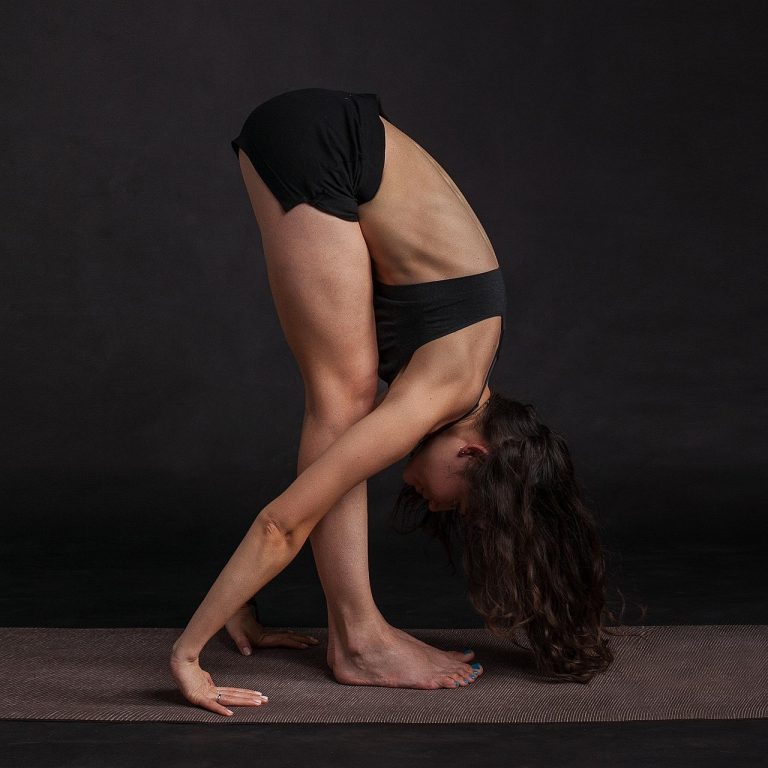
Static stretching involves holding a stretch in a fixed position for a period of time, typically 15-30 seconds. It’s best performed after a workout or when your muscles are warm.
- How to: Gently move into the stretch until you feel a mild pull, and then hold the position without bouncing.
- Example: Holding a hamstring stretch by touching your toes (or as far as you comfortably can) for 30 seconds.
- Benefits: Safe, effective for increasing range of motion, and easy to perform.
- Caution: Avoid overstretching and bouncing, which can lead to injury.
Dynamic Stretching
Dynamic stretching involves controlled movements through a full range of motion. It’s ideal for warming up muscles before exercise.
- How to: Perform controlled, fluid movements that gradually increase range of motion.
- Example: Arm circles, leg swings, torso twists.
- Benefits: Improves mobility, increases blood flow, and prepares muscles for activity.
- Caution: Avoid ballistic movements (bouncing) and focus on controlled, smooth motions.
Proprioceptive Neuromuscular Facilitation (PNF) Stretching
PNF stretching involves contracting and relaxing muscles to achieve a greater range of motion. It’s often performed with a partner or resistance band.
- How to: Stretch a muscle, contract it against resistance for a few seconds, and then relax and stretch it further.
- Example: Hamstring stretch with a partner applying resistance during the contraction phase.
- Benefits: Highly effective for increasing flexibility and improving range of motion.
- Caution: Requires proper technique to avoid injury. It’s best to learn PNF stretching from a qualified professional.
Ballistic Stretching
Ballistic stretching involves bouncing or jerky movements to force a muscle beyond its normal range of motion. This type of stretching is generally not recommended for beginners, as it can increase the risk of injury.
- How to: Rapidly bounce into and out of a stretched position.
- Example: Bouncing while trying to touch your toes.
- Benefits: Historically used by some athletes, but generally considered riskier than other methods.
- Caution: High risk of muscle strains and tears. Should only be performed by experienced individuals with a good understanding of their body.
Building Your Stretching Routine: A Practical Guide
Warm-Up Before Stretching
Preparing your muscles before stretching is crucial to prevent injury. A light warm-up increases blood flow and muscle temperature, making them more pliable and receptive to stretching.
- Cardio: 5-10 minutes of light cardio, such as walking, jogging, or jumping jacks.
- Dynamic Movements: Include dynamic stretches like arm circles, leg swings, and torso twists.
Key Stretches for Full-Body Flexibility
Focus on stretching major muscle groups to improve overall flexibility. Here are some examples:
- Hamstring Stretch: Sit with legs extended and reach towards your toes.
- Quadriceps Stretch: Stand and pull your heel towards your glutes, holding onto a wall for balance.
- Hip Flexor Stretch: Kneel with one leg forward and gently push your hips forward.
- Calf Stretch: Lean against a wall with one leg extended behind you, keeping your heel on the ground.
- Chest Stretch: Stand and interlock your fingers behind your back, then gently lift your arms.
- Shoulder Stretch: Reach one arm across your body and gently pull it towards you with your other arm.
- Triceps Stretch: Raise one arm overhead and bend it at the elbow, then gently pull your elbow towards your head with your other arm.
- Neck Stretch: Gently tilt your head to the side, bringing your ear towards your shoulder.
Frequency and Duration
Consistency is key when it comes to improving flexibility. Aim to stretch at least 2-3 times per week, holding each stretch for 15-30 seconds.
- Consistency: Regular stretching is more effective than occasional long sessions.
- Hold Time: Hold each static stretch for 15-30 seconds.
- Sets: Perform 2-3 sets of each stretch.
- Listen to Your Body: Never force a stretch. Stop if you feel pain.
Tips for Safe and Effective Stretching
Following these guidelines will help you maximize the benefits of stretching while minimizing the risk of injury.
- Breathe Deeply: Deep, slow breaths can help relax your muscles and improve flexibility.
- Avoid Bouncing: Bouncing can cause muscle strains and tears.
- Stretch After Exercise: Stretching when your muscles are warm can improve flexibility and reduce muscle soreness.
- Listen to Your Body: Pay attention to your body and stop if you feel pain.
- Stay Hydrated: Drinking plenty of water helps keep your muscles hydrated and pliable.
- Use Proper Form: Ensure you are using the correct form for each stretch to avoid injury and maximize effectiveness.
Common Mistakes to Avoid
Forcing a Stretch
One of the biggest mistakes people make is forcing a stretch beyond their current range of motion. This can lead to muscle strains and tears.
- Listen to Your Body: Only stretch to the point of mild discomfort.
- Gradual Progression: Gradually increase the intensity of your stretches over time.
Holding Your Breath
Holding your breath can increase muscle tension and reduce the effectiveness of your stretches.
- Breathe Deeply: Inhale and exhale slowly and deeply throughout the stretch.
Stretching Cold Muscles
Stretching cold muscles can increase the risk of injury. Always warm up your muscles before stretching.
- Warm-Up First: Perform light cardio and dynamic stretches to prepare your muscles for stretching.
Neglecting Posture
Poor posture can limit your range of motion and make stretching less effective.
- Maintain Good Posture: Focus on maintaining good posture throughout your stretching routine.
- Engage Core Muscles: Engaging your core muscles can help stabilize your spine and improve posture.
Conclusion
Incorporating stretching into your daily or weekly routine is a powerful way to improve your physical and mental well-being. By understanding the benefits of flexibility, the different types of stretching, and the importance of proper technique, you can create a stretching routine that meets your individual needs and goals. Remember to listen to your body, be patient, and stay consistent. Your journey to increased flexibility and a healthier, more comfortable you starts today!