Post-workout bliss isn’t just about that satisfying feeling of accomplishment. It’s also about what you do after you’ve put in the work. Skipping your post-workout stretches can leave you feeling stiff, sore, and potentially increase your risk of injury down the road. Incorporating a consistent stretching routine after exercising can significantly improve your flexibility, recovery, and overall athletic performance. Let’s dive into why post-workout stretching is crucial and how to do it effectively.
Why Post-Workout Stretching Matters
Enhancing Flexibility and Range of Motion
- Increased Flexibility: Regular post-workout stretching increases the length of your muscles over time. This added flexibility translates to a greater range of motion, making everyday movements easier and less strenuous.
- Improved Performance: Greater range of motion allows you to execute exercises with better form, potentially leading to greater strength gains and improved athletic performance. Think about a deeper squat or a wider lunge – these are only possible with adequate flexibility.
- Reduced Risk of Injury: Flexible muscles are more resilient and less prone to injury. Stretching helps prepare your muscles for the demands of exercise, reducing the likelihood of strains and tears.
Reducing Muscle Soreness (DOMS)
- Alleviating Delayed Onset Muscle Soreness (DOMS): While stretching doesn’t completely eliminate DOMS, it can help reduce its severity. DOMS, the muscle soreness you feel 24-72 hours after intense exercise, is caused by microscopic muscle damage. Stretching can increase blood flow to the muscles, aiding in the repair process.
- Improved Circulation: Stretching increases blood flow to the worked muscles. This enhanced circulation helps deliver nutrients and remove waste products, promoting faster recovery and reducing soreness.
- Practical Tip: Even gentle stretching can make a difference. Hold each stretch for at least 30 seconds and focus on deep, controlled breathing.
Promoting Relaxation and Recovery
- Stress Reduction: Stretching activates the parasympathetic nervous system, which helps calm the body and reduce stress.
- Muscle Relaxation: Post-workout stretching helps release tension in the muscles, preventing them from becoming tight and knotted.
- Mental Clarity: Taking the time to stretch allows you to mentally unwind after a challenging workout, promoting a sense of well-being.
- Actionable Takeaway: Think of stretching as a cool-down for both your body and mind.
Types of Post-Workout Stretches
Static Stretching
- Definition: Static stretching involves holding a stretch in a stationary position for a specific duration.
- How to Perform: Slowly move into the stretch until you feel a gentle pull in the muscle. Hold the position for 30-60 seconds, focusing on deep, controlled breaths. Avoid bouncing or forcing the stretch.
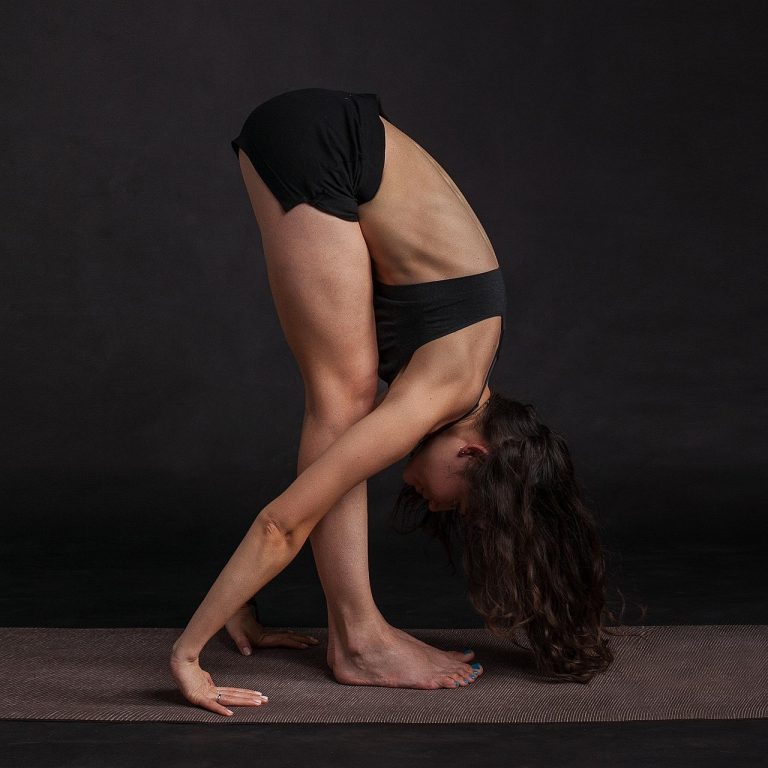
- Examples: Hamstring stretch (touching your toes), quad stretch (pulling your heel towards your glutes), calf stretch (leaning against a wall with one leg extended back), tricep stretch (reaching one arm overhead and bending at the elbow, touching your upper back with your hand).
- Benefit: Improves flexibility and range of motion.
Dynamic Stretching (Can be used before and after workouts)
- Definition: Dynamic stretching involves controlled, fluid movements that gradually increase your range of motion.
- How to Perform: Perform each movement for 10-15 repetitions, focusing on controlled movements.
- Examples: Arm circles, leg swings, torso twists, walking lunges with a twist. These can also be effective BEFORE workouts as a warm up.
- Benefit: Improves flexibility, blood flow, and muscle activation.
Foam Rolling (Self-Myofascial Release)
- Definition: Foam rolling involves using a foam roller to apply pressure to specific muscle groups, releasing tension and improving flexibility.
- How to Perform: Place the foam roller under the muscle you want to target and slowly roll back and forth, applying gentle pressure. Spend more time on areas that feel particularly tight or tender.
- Examples: Rolling your quads, hamstrings, calves, back, and glutes.
- Benefit: Reduces muscle soreness, improves flexibility, and breaks up adhesions in the fascia.
Sample Post-Workout Stretching Routine
This is a sample routine and should be adjusted based on your individual needs and the type of workout you performed. Remember to listen to your body and avoid pushing yourself too far.
Hamstring Stretch: Sit on the floor with one leg extended and the other bent with your foot touching your inner thigh. Reach towards your toes on the extended leg, feeling the stretch in your hamstring. Hold for 30-60 seconds per leg.
Quad Stretch: Stand tall and grab one foot, pulling your heel towards your glutes. Keep your knees together and your core engaged. Hold for 30-60 seconds per leg.
Calf Stretch: Stand facing a wall, place one leg behind you, and lean forward until you feel a stretch in your calf. Hold for 30-60 seconds per leg. To target the soleus muscle (lower calf), bend your back knee slightly.
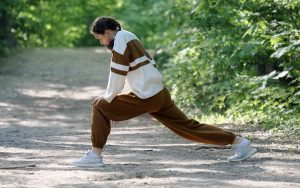
Hip Flexor Stretch: Kneel on one knee with the other foot forward. Gently push your hips forward until you feel a stretch in the front of your hip. Hold for 30-60 seconds per leg.
Triceps Stretch: Reach one arm overhead and bend at the elbow, touching your upper back with your hand. Use your other hand to gently pull your elbow closer to your head. Hold for 30-60 seconds per arm.
Shoulder Stretch: Reach one arm across your body and use your other arm to gently pull it closer to your chest. Hold for 30-60 seconds per arm.
Common Mistakes to Avoid
Bouncing During Stretches
- Problem: Bouncing during stretches can trigger the stretch reflex, causing your muscles to contract instead of relax. This can increase your risk of injury.
- Solution: Focus on smooth, controlled movements and avoid bouncing. Hold each stretch in a static position.
Stretching Cold Muscles
- Problem: Stretching cold muscles can increase your risk of injury. Muscles are more pliable and receptive to stretching when they are warm.
- Solution: Perform light cardio, such as jogging or jumping jacks, for 5-10 minutes before stretching. Your muscles are already warm after your workout so you have a window of opportunity here.
Holding Your Breath
- Problem: Holding your breath can increase tension in your muscles and reduce the effectiveness of the stretch.
- Solution: Focus on deep, controlled breaths throughout each stretch. Inhale deeply and exhale slowly, allowing your muscles to relax.
Ignoring Pain
- Problem: Pushing yourself too far into a stretch can cause pain and potentially lead to injury.
- Solution: Listen to your body and stop if you feel any sharp or intense pain. Stretching should feel like a gentle pull, not a painful sensation.
Neglecting Key Muscle Groups
- Problem: Focusing on only a few muscle groups can lead to imbalances and increase your risk of injury.
- Solution: Include stretches for all major muscle groups, including your legs, back, chest, shoulders, and arms.
Conclusion
Incorporating post-workout stretching into your fitness routine is an investment in your long-term health and well-being. By improving flexibility, reducing muscle soreness, and promoting relaxation, you can enhance your recovery, reduce your risk of injury, and improve your overall athletic performance. Make stretching a non-negotiable part of your post-workout ritual and reap the rewards of a more flexible, resilient, and pain-free body. Remember to listen to your body, avoid common mistakes, and tailor your stretching routine to your individual needs.