Feeling tight and restricted in your hips? You’re not alone. Sedentary lifestyles, prolonged sitting, and even certain athletic activities can lead to hip flexor tightness and limited range of motion. But the good news is, a dedicated hip opener routine can help alleviate discomfort, improve flexibility, and enhance overall well-being. This guide will walk you through effective exercises and strategies to unlock your hips and feel more mobile.
Why Hip Flexibility Matters
The Impact of Tight Hips on Daily Life
Tight hips can manifest in a variety of ways, impacting not just your physical performance, but also your general comfort.
- Lower Back Pain: Restricted hip movement often forces the lower back to compensate, leading to strain and pain. Studies suggest a strong correlation between hip flexor tightness and lower back discomfort.
- Knee Pain: The kinetic chain connects your hips to your knees. Restricted hip rotation can place undue stress on the knee joint.
- Poor Posture: Tight hip flexors can pull the pelvis forward, contributing to an anterior pelvic tilt and poor posture.
- Reduced Athletic Performance: Athletes need hip mobility for power generation, agility, and injury prevention. Think about the hip drive needed for sprinting or the flexibility for a deep squat.
- Difficulty with Daily Activities: Simple tasks like bending over, climbing stairs, or even getting in and out of a car can become challenging.
Benefits of a Regular Hip Opener Routine
Incorporating a hip opener routine into your regular exercise schedule offers a multitude of benefits:
- Increased Range of Motion: Improve your ability to move freely and comfortably.
- Reduced Pain and Discomfort: Alleviate pain in the lower back, hips, and knees.
- Improved Posture: Promote a more aligned and balanced posture.
- Enhanced Athletic Performance: Boost your power, agility, and flexibility for improved performance in sports and physical activities.
- Better Circulation: Increase blood flow to the hips and surrounding tissues.
- Stress Relief: Many find hip opening exercises to be grounding and stress-relieving.
Essential Hip Opening Stretches
Static Stretches for Beginners
These stretches are ideal for beginners and can be held for 30-60 seconds each. Remember to breathe deeply and relax into the stretch.
- Butterfly Stretch: Sit on the floor with your soles of your feet together, allowing your knees to fall open. Gently press down on your knees to deepen the stretch.
- Pigeon Pose (Variation): Start in a tabletop position. Bring your right knee towards your right wrist, placing your right ankle towards your left wrist. Extend your left leg straight back behind you. Gently lower your chest towards the floor. If this is too intense, perform a reclined pigeon stretch by lying on your back and crossing one ankle over the opposite knee, then gently pulling the uncrossed thigh toward your chest.
- Kneeling Hip Flexor Stretch: Kneel on your right knee with your left foot flat on the floor in front of you, knee bent at 90 degrees. Push your hips forward, feeling a stretch in the front of your right hip. To deepen the stretch, raise your right arm overhead and gently lean to the left.
- Standing Figure Four Stretch: Stand near a wall for balance. Cross your right ankle over your left knee. Bend your left knee as if sitting back into a chair. You should feel a stretch in your right hip.
Dynamic Stretches for Warm-Ups
Dynamic stretches are active movements that improve flexibility and prepare your body for exercise. Perform 10-15 repetitions of each.
- Leg Swings: Stand tall and swing one leg forward and backward, then side to side. Control the movement and focus on engaging your hip muscles.
- Hip Circles: Stand with your feet shoulder-width apart and hands on your hips. Rotate your hips in a circular motion, first clockwise and then counterclockwise.
- Walking Lunges with a Twist: Perform a lunge, then twist your torso towards the front leg. This adds an extra stretch to the hip flexors and obliques.
- Knee to Chest: While standing, bring one knee up towards your chest and hug it gently. Alternate legs.
Incorporating Yoga for Hip Flexibility
Yoga Poses That Target the Hips
Yoga is a fantastic way to improve hip flexibility, strength, and overall well-being.
- Warrior Poses (Warrior I, II, III): These poses strengthen the legs and core while opening the hips. Pay attention to alignment to ensure you’re effectively targeting the hip muscles.
- Triangle Pose: This pose stretches the hamstrings, hips, and spine.
- Garland Pose (Malasana): A deep squat that opens the hips and strengthens the legs. If you have difficulty squatting, use a block under your heels for support.
- Happy Baby Pose: Lie on your back, bend your knees, and grab the outside edges of your feet. Gently rock from side to side, massaging the lower back and opening the hips.
Creating a Yoga Flow for Hip Openers
Here’s an example of a simple yoga flow that can improve hip mobility:
Start in Mountain Pose (Tadasana).
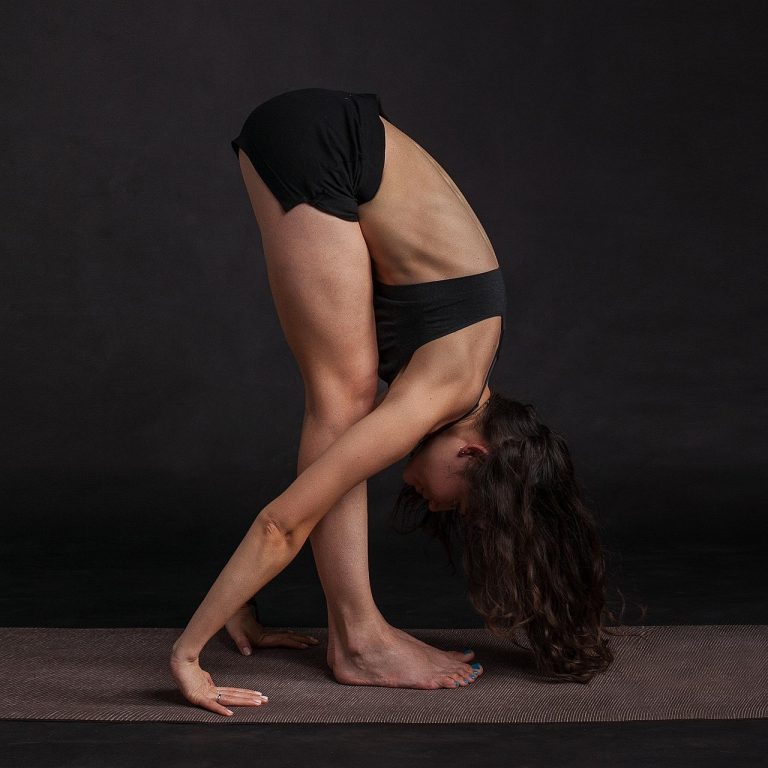
Inhale, raise your arms overhead. Exhale, fold forward into Standing Forward Bend (Uttanasana).
Inhale, step back into Downward-Facing Dog (Adho Mukha Svanasana).
From Downward-Facing Dog, step forward into a low lunge.
Transition into Warrior II. Hold for 5 breaths.
Reverse Warrior. Hold for 5 breaths.
Return to Downward-Facing Dog.
Repeat steps 4-7 on the other side.
Return to Downward-Facing Dog.
Lower to your knees and move into Child’s Pose (Balasana).
Transition to seated position for Butterfly Pose.
Finish with Savasana (Corpse Pose).
Addressing Common Challenges
Overcoming Pain and Discomfort
It’s normal to experience some discomfort when starting a hip opener routine. However, sharp pain is a sign to stop and modify the exercise.
- Listen to Your Body: Pay attention to your body’s signals and stop if you feel any sharp or intense pain.
- Modify the Exercises: Use props like blocks or blankets to support your body and reduce the intensity of the stretches. For example, place a block under your sit bones in Butterfly pose if your hips are very tight.
- Start Slowly: Gradually increase the intensity and duration of the stretches as your flexibility improves. Don’t push yourself too hard, too soon.
- Breathe Deeply: Deep, slow breaths can help relax your muscles and reduce tension.
Tips for Staying Consistent
Consistency is key to improving hip flexibility.
- Schedule Your Routine: Treat your hip opener routine like any other important appointment. Schedule it into your calendar and stick to it.
- Find an Accountability Partner: Exercise with a friend or family member for motivation and support.
- Track Your Progress: Keep a journal or use a fitness app to track your progress and stay motivated.
- Make it Enjoyable: Choose exercises that you enjoy and find relaxing. Listen to music or a podcast while you stretch.
- Integrate into Daily Life: Incorporate hip openers into your daily routine, such as stretching while watching TV or taking short breaks from sitting to perform hip circles.
Conclusion
A consistent hip opener routine can significantly improve your flexibility, reduce pain, and enhance your overall well-being. By incorporating the stretches and techniques outlined in this guide, you can unlock your hips and enjoy a more mobile, comfortable, and active life. Remember to listen to your body, start slowly, and be patient with your progress. Your hips will thank you for it!