Mobility is often overlooked in fitness routines, but it’s the unsung hero that allows us to move freely, prevent injuries, and improve performance. If you’re new to the concept, don’t worry! This guide will break down everything you need to know about mobility for beginners, providing you with practical exercises and tips to get started on your journey to enhanced flexibility and pain-free movement.
Understanding Mobility: More Than Just Stretching
What is Mobility?
Mobility is the ability to move a joint through its full range of motion with control and without pain. It’s a combination of flexibility (the passive range of motion) and strength (the ability to control that range of motion). Think of it this way: you might be flexible enough to touch your toes (flexibility), but can you do it while maintaining a straight back and engaged core (mobility)?
- Mobility incorporates strength, control, and flexibility.
- It’s essential for everyday activities and athletic performance.
- Poor mobility can lead to injuries and limited movement patterns.
Why is Mobility Important for Beginners?
Starting with mobility training early on has numerous benefits:
- Injury Prevention: Improves joint health and reduces the risk of strains, sprains, and other common injuries. Studies have shown that individuals with better mobility have a lower incidence of musculoskeletal injuries.
- Improved Posture: Corrects imbalances and helps maintain a more upright and aligned posture, reducing back pain and improving overall appearance.
- Increased Range of Motion: Allows for a greater range of movement, making everyday tasks easier and more efficient.
- Enhanced Athletic Performance: Improves power output, agility, and coordination, leading to better performance in sports and physical activities.
- Pain Relief: Alleviates muscle tightness and joint stiffness, reducing chronic pain and discomfort.
Assessing Your Current Mobility
Basic Mobility Tests
Before diving into exercises, it’s helpful to assess your current mobility levels. Here are a few simple tests you can perform at home:
- Overhead Squat: Stand with your feet shoulder-width apart, holding a light object (like a broomstick) overhead. Squat down as low as you can while keeping your back straight and the object overhead. Note any limitations, such as rounding of the back, heels lifting off the ground, or difficulty keeping the object overhead.
- Shoulder Mobility: Reach one arm overhead and behind your back, and the other arm behind your back and up toward the first hand. Try to touch your fingers together. Assess how close your hands get to touching.
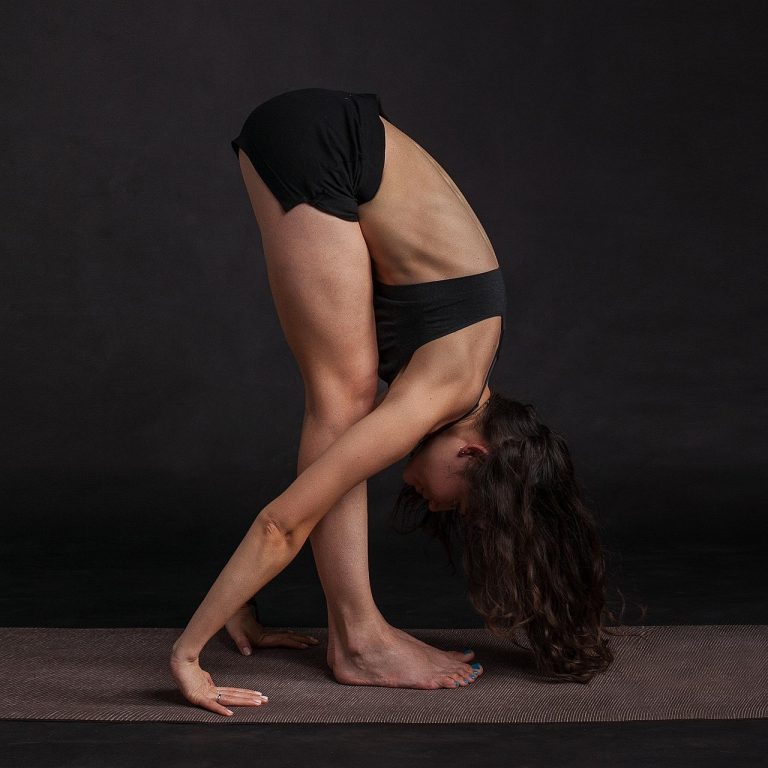
- Hamstring Flexibility: Sit on the floor with your legs extended. Reach forward towards your toes. Observe how far you can reach and whether you feel tightness in your hamstrings.
Identifying Problem Areas
Based on your self-assessment, identify any areas where you feel limited range of motion or discomfort. Common problem areas include:
- Shoulders: Tightness can affect overhead movements and posture.
- Hips: Limited hip mobility can contribute to lower back pain and impact squat depth.
- Thoracic Spine (Mid-Back): Stiffness can restrict rotation and affect breathing.
- Ankles: Poor ankle mobility can impact squatting and running mechanics.
Essential Mobility Exercises for Beginners
Dynamic Stretching: Preparing Your Body for Movement
Dynamic stretching involves active movements that gradually increase your range of motion. These exercises are best performed before workouts.
- Arm Circles: Perform small, controlled circles forward and backward to warm up the shoulder joints. Gradually increase the size of the circles. (10-15 reps each direction)
- Leg Swings: Swing one leg forward and backward, keeping your core engaged. Then, swing the same leg laterally across your body. (10-15 reps each direction per leg)
- Torso Twists: Stand with your feet shoulder-width apart and gently twist your torso from side to side, keeping your core engaged. (10-15 reps each side)
- Cat-Cow Stretch: Start on your hands and knees. Alternate between arching your back (cat pose) and dropping your belly towards the floor (cow pose). (10-15 reps)
- Hip Circles: Stand with your hands on your hips and make large circular motions with your hips in both directions. (10-15 reps each direction)
Static Stretching: Improving Flexibility and Range of Motion
Static stretching involves holding a stretch for a period of time, typically after a workout when muscles are warm.
- Hamstring Stretch: Sit on the floor with one leg extended and the other bent. Reach towards your toes on the extended leg, holding the stretch for 30 seconds.
- Quad Stretch: Stand and hold onto a wall for balance. Grab your foot and pull it towards your glutes, holding the stretch for 30 seconds.
- Chest Stretch: Stand in a doorway and place your forearms on the doorframe. Lean forward, feeling a stretch in your chest. Hold for 30 seconds.
- Shoulder Stretch: Reach one arm across your body and gently pull it closer with the other arm, feeling a stretch in your shoulder. Hold for 30 seconds.
- Calf Stretch: Place your hands on a wall and step one leg back, keeping your heel on the ground. Lean into the wall, feeling a stretch in your calf. Hold for 30 seconds.
Foam Rolling: Releasing Muscle Tension
Foam rolling, or self-myofascial release, helps to break up knots and tension in your muscles.
- Hamstrings: Sit on the floor with the foam roller under your hamstrings. Roll from your glutes to behind your knees.
- Quads: Lie face down with the foam roller under your quads. Roll from your hips to your knees.
- Calves: Sit on the floor with the foam roller under your calves. Roll from your ankles to behind your knees.
- Back: Lie on your back with the foam roller under your mid-back. Gently roll up and down, supporting your head with your hands. (Avoid rolling on your lower back)
- Glutes: Sit on the foam roller with one ankle crossed over the opposite knee. Roll on your glutes.
- Important:* Spend 30-60 seconds on each muscle group, focusing on areas that feel particularly tight.
Building a Mobility Routine
Creating a Personalized Plan
- Start Small: Begin with 10-15 minutes of mobility work 2-3 times per week.
- Focus on Problem Areas: Prioritize exercises that target the areas where you experience the most stiffness or discomfort.
- Consistency is Key: Make mobility a regular part of your routine to see long-term benefits.
- Listen to Your Body: Avoid pushing yourself too hard, especially when you’re first starting out. Pain is a signal to stop or modify the exercise.
- Track Your Progress: Re-assess your mobility periodically to see how you’re improving.
Sample Mobility Routine for Beginners
This routine can be performed 2-3 times per week:
Dynamic Warm-up (5 minutes): Arm circles, leg swings, torso twists.
Foam Rolling (5 minutes): Hamstrings, quads, calves.
Static Stretching (5 minutes): Hamstring stretch, quad stretch, chest stretch.
Tips for Success and Staying Motivated
Consistency is Key
The most important factor in improving your mobility is consistency. Even short, regular sessions are more effective than infrequent, longer sessions.
Listen to Your Body
Pay attention to your body and adjust your routine as needed. Don’t push through pain.
Set Realistic Goals
Start with small, achievable goals and gradually increase the intensity and duration of your mobility work as you progress.
Make it Enjoyable
Find activities that you enjoy and that incorporate mobility, such as yoga, Pilates, or dance.
Stay Patient
Improving mobility takes time and effort. Don’t get discouraged if you don’t see results immediately. Keep practicing, and you will eventually notice improvements.
Conclusion
Mobility is a crucial component of overall health and fitness, especially for beginners. By understanding the importance of mobility, assessing your current limitations, and incorporating simple exercises into your routine, you can improve your range of motion, prevent injuries, and enhance your performance in everyday activities and beyond. Remember to start slow, stay consistent, and listen to your body, and you’ll be well on your way to a more flexible and pain-free life.