Feeling tight, stressed, or just generally disconnected from your body? In today’s fast-paced world, it’s easy to neglect our physical well-being. But what if there was a simple, accessible practice that could alleviate tension, improve flexibility, and enhance your overall sense of calm? Enter mindful stretching – a powerful technique that combines the benefits of traditional stretching with the awareness and focus of mindfulness.
Understanding Mindful Stretching
What is Mindful Stretching?
Mindful stretching is more than just touching your toes. It’s a practice that involves paying close attention to your body and breath while you stretch. It’s about being present in the moment, noticing sensations without judgment, and moving with intention.
- It’s about connecting your mind and body through movement.
- It shifts the focus from achieving a “perfect” stretch to experiencing the present moment.
- It acknowledges that every body is different, and what feels right for one person may not feel right for another.
- It’s not about pushing through pain; it’s about finding a comfortable edge and exploring it gently.
The Difference Between Mindful Stretching and Regular Stretching
Regular stretching often focuses on achieving a specific range of motion or improving flexibility, often with a goal-oriented mindset. Mindful stretching, on the other hand, prioritizes the process over the outcome.
- Regular Stretching: Goal-oriented, focuses on flexibility, can be performed quickly and without much awareness.
- Mindful Stretching: Process-oriented, emphasizes present moment awareness, focuses on body sensations, encourages slow and intentional movements.
- A recent study published in the Journal of Alternative and Complementary Medicine found that mindful movement practices, including mindful stretching, can significantly reduce stress and improve overall well-being.
Benefits of Mindful Stretching
Mindful stretching offers a multitude of benefits that extend beyond physical flexibility. By incorporating mindfulness into your stretching routine, you can experience improvements in both your physical and mental health.
Physical Benefits
- Increased Flexibility and Range of Motion: Gentle, sustained stretches can improve flexibility over time.
- Reduced Muscle Tension and Stiffness: Mindful breathing and conscious relaxation can help release tension held in the muscles.
- Improved Circulation: Stretching increases blood flow, which can nourish tissues and promote healing.
- Better Posture: Strengthening and lengthening muscles can contribute to improved posture.
- Pain Relief: Mindful stretching can alleviate pain associated with muscle imbalances and tension.
Mental and Emotional Benefits
- Reduced Stress and Anxiety: Focusing on your breath and body sensations can calm the nervous system.
- Improved Body Awareness: Paying attention to your body’s signals can enhance your understanding of your physical needs.
- Enhanced Emotional Regulation: Connecting with your body can provide a sense of grounding and stability.
- Increased Self-Compassion: Practicing non-judgmental awareness can foster self-acceptance and kindness.
- Improved Focus and Concentration: Taking time for mindful movement can sharpen your mental clarity.
Getting Started with Mindful Stretching
Creating a Mindful Stretching Routine
Starting a mindful stretching routine doesn’t require a lot of time or equipment. Here’s how to get started:
Find a Quiet Space: Choose a comfortable and distraction-free environment.
Set an Intention: Before you begin, take a moment to set an intention for your practice. What do you hope to achieve?
Focus on Your Breath: Pay attention to the sensation of your breath as it enters and leaves your body.
Start with Gentle Movements: Begin with simple stretches that feel comfortable for your body.
Move Slowly and Intentionally: Avoid rushing through the stretches. Focus on the sensations in your body.
Listen to Your Body: Pay attention to any pain or discomfort and adjust your stretches accordingly.
Hold Each Stretch: Hold each stretch for 30-60 seconds, breathing deeply.
Release Slowly: Release each stretch slowly and consciously.
End with Gratitude: Take a moment to appreciate your body and the effort you put into your practice.
Example Mindful Stretches
- Neck Rolls: Gently rotate your head in a circular motion, paying attention to any tension in your neck and shoulders.
Mindful Cue: Notice the quality of the movement. Is it smooth, or are there any catches?
- Shoulder Rolls: Roll your shoulders forward and backward, releasing any tension in your upper back and chest.
Mindful Cue: Feel the muscles in your shoulders and upper back engaging and releasing.
- Cat-Cow Pose: Alternate between arching and rounding your spine, coordinating your breath with your movement.
Mindful Cue: Feel the movement in each vertebra as you flow between the two poses.
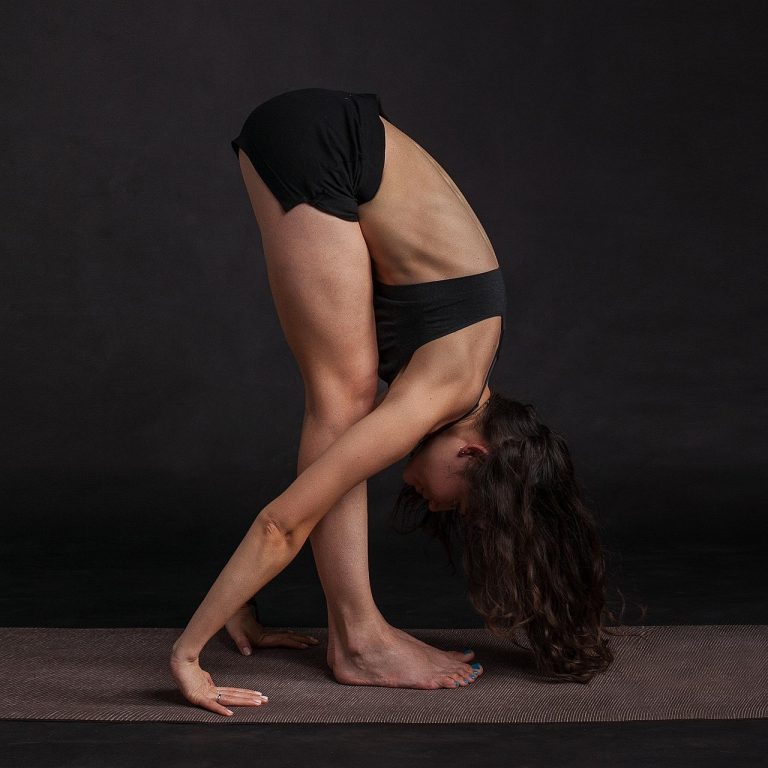
- Seated Forward Fold: Sit with your legs extended and gently fold forward, reaching for your toes or shins.
Mindful Cue: Notice the sensations in the back of your legs and lower back.
- Standing Side Stretch: Reach one arm overhead and gently bend to the side, feeling the stretch in your side body.
* Mindful Cue: Feel the length in your side body as you breathe deeply.
Tips for a Mindful Stretching Practice
Paying Attention to Your Body’s Signals
Listening to your body is crucial for a safe and effective mindful stretching practice. Avoid pushing yourself beyond your limits and honor any pain or discomfort.
- Differentiate between sensation and pain: A gentle stretch should feel like a mild pull, not a sharp or stabbing pain.
- Adjust your stretches: If you experience pain, modify the stretch or stop altogether.
- Be patient with your progress: Flexibility is a journey, not a destination.
Incorporating Breathwork
Breathwork is an essential component of mindful stretching. Deep, conscious breathing can help you relax, release tension, and enhance your awareness of your body.
- Breathe deeply and slowly: Focus on filling your lungs completely with each inhale and exhaling fully.
- Coordinate your breath with your movements: Inhale as you lengthen and exhale as you release.
- Try different breathing techniques: Experiment with different breathing techniques, such as diaphragmatic breathing or alternate nostril breathing.
Maintaining Consistency
Consistency is key to reaping the benefits of mindful stretching. Aim to practice regularly, even if it’s just for a few minutes each day.
- Schedule your stretching sessions: Treat your stretching time as an important appointment with yourself.
- Start small: Begin with short sessions and gradually increase the duration as you become more comfortable.
- Find an accountability partner: Partnering with a friend or family member can help you stay motivated.
Conclusion
Mindful stretching is a powerful practice that can transform your physical and mental well-being. By incorporating awareness, breath, and intention into your stretching routine, you can reduce stress, improve flexibility, and cultivate a deeper connection with your body. So, take a few moments each day to slow down, tune in, and stretch with mindful awareness. Your body and mind will thank you for it.