Are you slouching as you read this? You’re not alone. In today’s digital age, where many spend hours hunched over screens, poor posture has become a widespread issue. It’s more than just an aesthetic concern; it can lead to a range of health problems, from chronic pain to breathing difficulties. Fortunately, you can take proactive steps to correct your posture and improve your overall well-being. This comprehensive guide will explore the causes and effects of bad posture, along with practical strategies and exercises to help you stand tall and feel great.
Understanding Posture and Its Importance
What is Good Posture?
Good posture involves maintaining the correct alignment of your body while standing, sitting, or lying down. It’s about distributing weight evenly across your joints and supporting structures. Ideally, a straight line should run from your ear, through your shoulder, hip, knee, and ankle when viewed from the side.
Why is Good Posture Important?
Maintaining good posture offers a multitude of benefits that go beyond just appearances. It impacts your physical and mental health in profound ways:
- Reduced Pain: Proper alignment minimizes strain on muscles and ligaments, alleviating neck pain, back pain, and headaches.
- Improved Breathing: Good posture allows for optimal lung expansion, leading to better oxygen intake. A 2006 study published in the “Journal of the American Physical Therapy Association” showed that slumped posture can restrict lung capacity by up to 30%.
- Increased Energy Levels: By minimizing muscle fatigue, good posture helps conserve energy, leaving you feeling more alert and vibrant throughout the day.
- Enhanced Confidence: Standing tall projects confidence and self-assurance. Research suggests a correlation between posture and self-perception.
- Better Digestion: Proper alignment creates more space for your internal organs, promoting optimal digestive function.
- Prevention of Long-Term Problems: Consistent good posture can prevent chronic conditions like arthritis and spinal degeneration.
Factors Affecting Posture
Several factors contribute to poor posture. Identifying these factors is crucial for developing a targeted correction strategy:
- Prolonged Sitting: Desk jobs and sedentary lifestyles often lead to rounded shoulders and forward head posture.
- Incorrect Lifting Techniques: Improper lifting can strain the back and spine, leading to postural imbalances.
- Muscle Weakness: Weak core and back muscles cannot adequately support the spine, resulting in slouching.
- Tight Muscles: Tight chest muscles can pull the shoulders forward, while tight hamstrings can contribute to a tilted pelvis.
- Poor Ergonomics: Inadequate workspace setup can force you into awkward positions, leading to poor posture.
- Obesity: Excess weight can strain the spine and contribute to postural problems.
- Psychological Factors: Stress, anxiety, and low self-esteem can manifest as poor posture.
Identifying Posture Problems
Self-Assessment Techniques
Before embarking on a posture correction journey, it’s essential to assess your current posture. Here are some simple techniques:
- Wall Test: Stand with your heels and buttocks against a wall. Ideally, your shoulders and the back of your head should also touch the wall. If there’s a significant gap, it indicates poor posture.
- Mirror Test: Stand in front of a mirror and observe your posture from the front, side, and back. Look for uneven shoulders, a tilted head, or a protruding stomach.
- Photograph Test: Have someone take pictures of you from the front, side, and back while you’re standing naturally. Analyze the photos to identify any postural imbalances.
Common Postural Imbalances
Recognizing common postural imbalances is essential for targeted correction:
- Forward Head Posture: The head juts forward, straining the neck muscles.
- Rounded Shoulders: The shoulders are hunched forward, often accompanied by a rounded upper back (kyphosis).
- Swayback Posture: The pelvis tilts forward excessively, creating an exaggerated curve in the lower back (lordosis).
- Flat Back Posture: The natural curves of the spine are diminished, resulting in a straight back.
- Scoliosis: A sideways curvature of the spine. While structural scoliosis requires medical intervention, postural scoliosis can often be improved with exercise.
Posture Correction Exercises and Stretches
Exercises to Strengthen Weak Muscles
Strengthening weak muscles is crucial for supporting the spine and maintaining good posture.
- Plank: Strengthens core muscles, improving spinal stability. Hold for 30-60 seconds, repeating 3-5 times.
- Bird Dog: Improves core stability and coordination. Start on your hands and knees, then extend one arm and the opposite leg simultaneously. Repeat 10-12 times per side.
- Rows: Strengthens back muscles, counteracting rounded shoulders. Use dumbbells or resistance bands, pulling your elbows back while keeping your back straight. Perform 10-12 repetitions.
- Shoulder Blade Squeezes: Strengthens the muscles between the shoulder blades, improving upper back posture. Squeeze your shoulder blades together, holding for 5 seconds, repeating 15-20 times.
- Glute Bridges: Strengthens the glutes and hamstrings, improving pelvic alignment. Lie on your back with your knees bent and feet flat on the floor. Lift your hips off the floor, squeezing your glutes at the top. Perform 10-12 repetitions.
Stretches to Lengthen Tight Muscles
Stretching tight muscles can improve flexibility and range of motion, allowing for better posture.
- Chest Stretch: Opens up the chest, counteracting rounded shoulders. Stand in a doorway and place your forearms on the frame. Lean forward until you feel a stretch in your chest. Hold for 30 seconds, repeating 2-3 times.
- Neck Stretches: Relieves neck tension and improves head posture. Gently tilt your head to one side, bringing your ear towards your shoulder. Hold for 30 seconds, repeating on the other side. You can also gently rotate your head clockwise and counterclockwise.
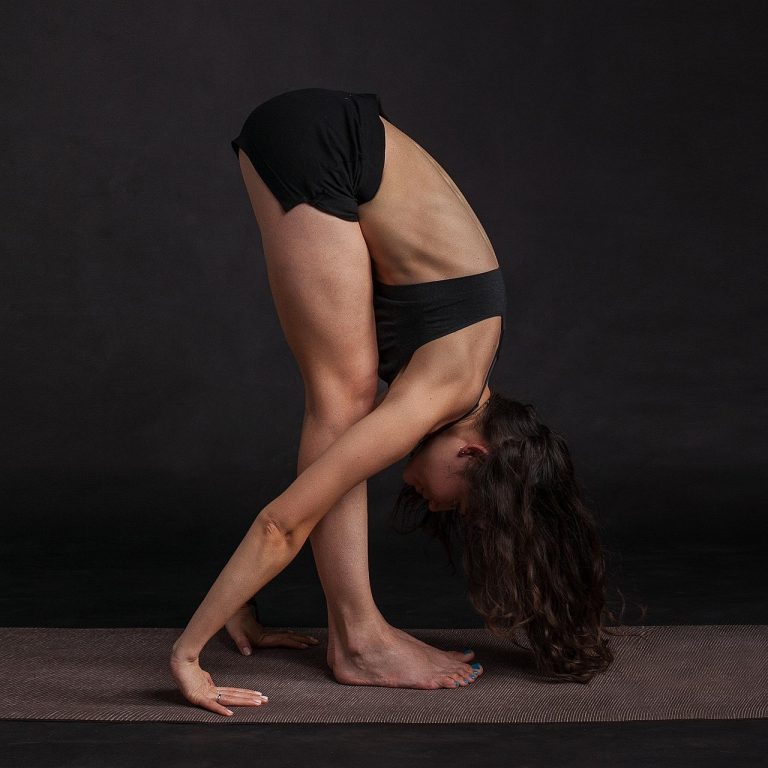
- Hamstring Stretches: Improves pelvic alignment and reduces lower back pain. Sit on the floor with one leg extended and the other bent. Reach towards your toes, keeping your back straight. Hold for 30 seconds, repeating on the other side.
- Hip Flexor Stretch: Improves pelvic alignment and reduces lower back pain. Kneel on one knee with the other foot flat on the floor in front of you. Gently push your hips forward until you feel a stretch in your hip flexor. Hold for 30 seconds, repeating on the other side.
Integrating Exercises into Daily Life
Consistency is key to successful posture correction. Here are tips for integrating exercises into your daily routine:
- Set Reminders: Use your phone or computer to set reminders to perform posture exercises throughout the day.
- Incorporate into Work Breaks: Take short breaks every hour to stand up, stretch, and perform posture exercises.
- Use Posture Apps: Several mobile apps are available that provide posture reminders and exercise guidance.
- Make it a Habit: Integrate posture exercises into your morning or evening routine.
Ergonomics and Environmental Adjustments
Setting Up Your Workspace
An ergonomically designed workspace is essential for maintaining good posture while working. Consider these adjustments:
- Chair: Choose a chair with adjustable height, lumbar support, and armrests. Ensure your feet are flat on the floor or on a footrest.
- Desk: Adjust your desk height so that your elbows are at a 90-degree angle when typing.
- Monitor: Position your monitor at arm’s length and at eye level to prevent neck strain.
- Keyboard and Mouse: Place your keyboard and mouse close to your body to avoid reaching and straining your shoulders.
- Lighting: Ensure adequate lighting to reduce eye strain, which can contribute to poor posture.
Lifestyle Modifications
In addition to workspace adjustments, lifestyle modifications can significantly impact your posture:
- Weight Management: Maintaining a healthy weight reduces strain on the spine.
- Proper Sleeping Position: Sleep on your back or side with a supportive pillow to maintain spinal alignment. Avoid sleeping on your stomach.
- Mindful Sitting and Standing: Be conscious of your posture throughout the day. Engage your core muscles and maintain a straight back while sitting and standing.
- Regular Movement: Avoid prolonged sitting by taking frequent breaks to stand up and move around.
Seeking Professional Help
When to Consult a Healthcare Professional
While self-correction strategies can be effective, it’s essential to seek professional help if you experience persistent pain or if your posture problems are severe. Consult a healthcare professional if:
- You experience chronic pain that doesn’t improve with self-care measures.
- You have a noticeable spinal curvature or asymmetry.
- You experience numbness, tingling, or weakness in your arms or legs.
- Your posture problems interfere with your daily activities.
Types of Professionals Who Can Help
Several types of healthcare professionals can help with posture correction:
- Physical Therapists: Provide customized exercise programs and manual therapy to address postural imbalances.
- Chiropractors: Focus on spinal alignment and provide adjustments to improve posture.
- Occupational Therapists: Help individuals adapt their work environment and daily activities to promote good posture.
- Doctors: Can diagnose underlying medical conditions that may be contributing to posture problems.
Conclusion
Correcting your posture is an investment in your long-term health and well-being. By understanding the causes and effects of poor posture, implementing targeted exercises and stretches, optimizing your environment, and seeking professional help when needed, you can achieve and maintain good posture. Remember, consistency is key, and even small improvements can make a significant difference in how you feel and function. Stand tall, breathe deeply, and embrace the benefits of a healthy posture.