Post-workout stretching often feels like an optional add-on, easily skipped in favor of a quick shower and getting on with your day. However, incorporating a proper cool-down and stretching routine after exercise is crucial for muscle recovery, flexibility, and overall well-being. It’s not just about preventing soreness; it’s about optimizing your body’s ability to adapt and improve with each workout. Let’s dive into why post-workout stretching is so important and how to make the most of it.
Why Post-Workout Stretching Matters
Muscle Recovery and Reduced Soreness
- Facilitates Blood Flow: Stretching increases blood flow to your muscles, delivering essential nutrients and oxygen that aid in repair and recovery. This process helps flush out metabolic waste products, like lactic acid, that contribute to muscle soreness and fatigue.
- Minimizes DOMS: Delayed Onset Muscle Soreness (DOMS), the pain and stiffness felt 24-72 hours after intense exercise, can be significantly reduced with post-workout stretching. While stretching won’t completely eliminate DOMS, it can lessen its severity. A study published in the Journal of Strength and Conditioning Research found that stretching immediately post-exercise reduced muscle soreness in participants compared to those who didn’t stretch.
- Promotes Muscle Relaxation: Exercise can cause muscle fibers to contract and tighten. Stretching helps to lengthen these fibers back to their resting state, promoting relaxation and preventing muscle imbalances.
Enhanced Flexibility and Range of Motion
- Improves Joint Mobility: Regular post-workout stretching improves joint mobility by lubricating joint surfaces and increasing the elasticity of surrounding tissues. This increased range of motion translates to better performance and reduced risk of injury in future workouts.
- Prevents Muscle Imbalances: Over time, consistently stretching specific muscle groups helps prevent imbalances that can lead to postural problems and pain. For example, stretching your hamstrings after running can counteract the tightness that often develops in this muscle group.
- Supports Long-Term Mobility: Consistent stretching contributes to long-term mobility and functionality, allowing you to maintain an active lifestyle as you age.
Injury Prevention
- Reduces Muscle Tension: Tight muscles are more prone to strains and tears. Stretching helps alleviate muscle tension, making them more resilient to the demands of exercise.
- Improves Posture and Alignment: By addressing muscle imbalances and improving flexibility, post-workout stretching contributes to better posture and body alignment, reducing the risk of injuries related to poor biomechanics.
- Prepares Muscles for Future Workouts: Stretching prepares your muscles for future workouts by increasing their elasticity and improving their ability to absorb impact, minimizing the likelihood of injury.
Types of Post-Workout Stretches
Static Stretching
- What it is: Holding a stretch in a stationary position for a certain period, typically 15-30 seconds. This type of stretching is most effective after your workout, when your muscles are warm and pliable.
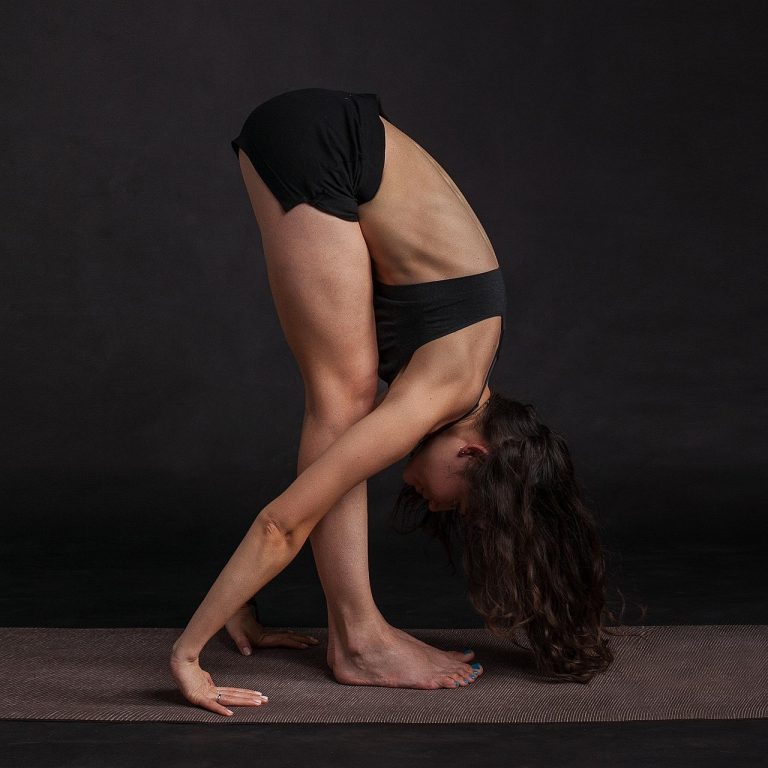
- Example: Holding a hamstring stretch by sitting on the floor with your legs extended and reaching towards your toes.
- Benefits: Improves flexibility, reduces muscle tension, and enhances range of motion.
Dynamic Stretching
- What it is: Controlled movements that gradually increase range of motion. While more commonly used as a warm-up, gentle dynamic stretches can also be incorporated post-workout to further improve circulation and flexibility.
- Example: Arm circles, leg swings, torso twists.
- Benefits: Improves mobility, enhances blood flow, and prepares muscles for more intense stretching.
Foam Rolling (Self-Myofascial Release)
- What it is: Using a foam roller to apply pressure to specific muscle groups, breaking up adhesions and knots in the fascia (connective tissue).
- Example: Rolling your quads, hamstrings, calves, or back on a foam roller.
- Benefits: Relieves muscle tension, improves flexibility, and promotes blood flow. Foam rolling can be done both pre- and post-workout, but it’s particularly beneficial after exercise to aid in recovery.
Sample Post-Workout Stretching Routine
This routine is a general guideline; adjust based on your specific workout and needs. Hold each static stretch for 20-30 seconds.
- Hamstring Stretch: Stand with one leg slightly forward and gently reach towards your toes.
- Quadriceps Stretch: Stand and pull one heel towards your glutes, holding onto a wall or chair for balance if needed.
- Calf Stretch: Lean against a wall with one leg extended behind you, keeping your heel on the ground.
- Triceps Stretch: Reach one arm overhead and bend at the elbow, reaching down your back. Use your other hand to gently pull the elbow further down.
- Chest Stretch: Clasp your hands behind your back and gently lift your arms upwards, opening your chest.
- Shoulder Stretch: Bring one arm across your body and use your other arm to gently pull it closer to your chest.
- Lower Back Stretch: Lie on your back and hug your knees to your chest. Gently rock from side to side.
Common Mistakes to Avoid
- Stretching Cold Muscles: Stretching cold muscles can increase the risk of injury. Always warm up before stretching. In the post-workout context, your muscles are already warm from your exercise session, so this is less of a concern, but avoid intense static stretches immediately after a very high-intensity workout without a proper cool-down.
- Bouncing: Bouncing while stretching (ballistic stretching) can trigger the stretch reflex, causing muscles to contract and potentially leading to injury.
- Overstretching: Stretching too far or too intensely can strain your muscles. Listen to your body and stop if you feel pain. You should feel a gentle pull, not a sharp pain.
- Holding Your Breath: Remember to breathe deeply and evenly while stretching. Holding your breath can increase muscle tension.
- Skipping Stretches: Neglecting certain muscle groups can lead to imbalances and increased risk of injury. Make sure to target all major muscle groups used in your workout.
- Ignoring Pain: While some discomfort is normal, sharp or intense pain is a sign that you’re pushing too far. Stop immediately and adjust your position.
Integrating Stretching into Your Routine
- Consistency is Key: Aim to stretch after every workout. Even a short 5-10 minute stretching session can make a significant difference over time.
- Listen to Your Body: Pay attention to how your body feels and adjust your stretching routine accordingly. Some days you may need to focus on certain areas more than others.
- Make it Enjoyable: Put on some relaxing music or stretch in a comfortable environment to make the process more enjoyable and sustainable.
- Consider a Professional: If you’re unsure how to stretch properly or have specific needs or limitations, consider consulting with a physical therapist or certified personal trainer.
Conclusion
Post-workout stretching is an essential component of any effective fitness routine. By incorporating these practices, you’ll not only reduce muscle soreness and enhance flexibility but also minimize your risk of injury and improve your overall athletic performance. Make stretching a non-negotiable part of your cool-down and reap the long-term benefits for years to come. Remember to be consistent, listen to your body, and enjoy the process of improving your flexibility and well-being.