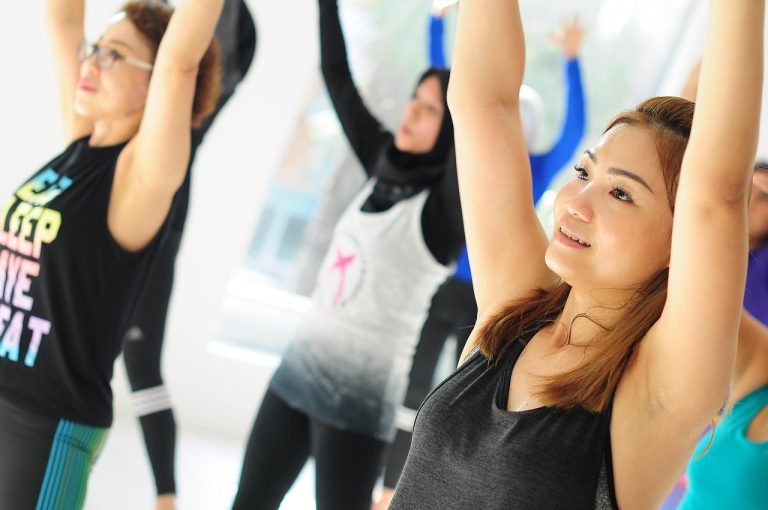
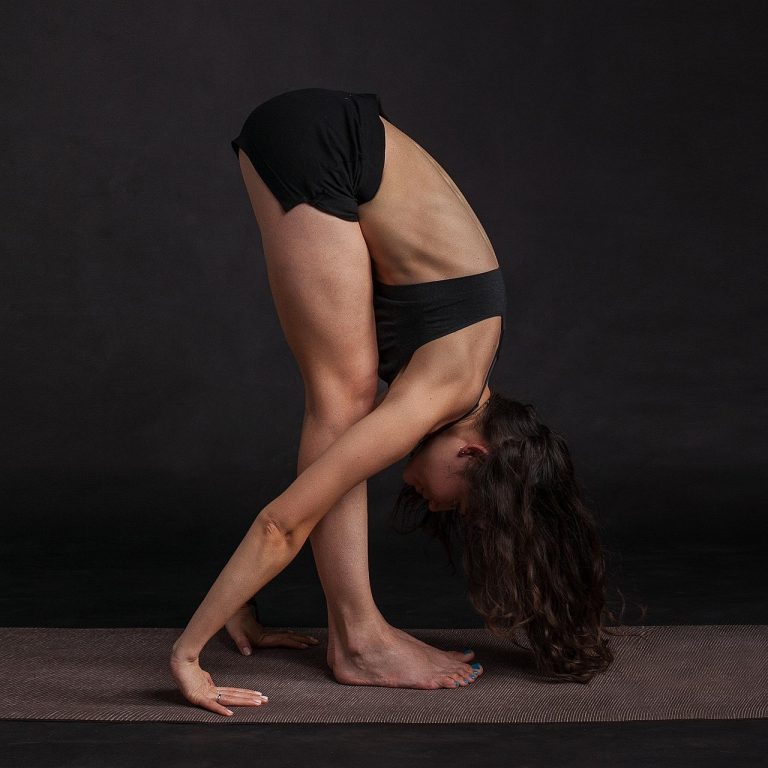
Full body stretching is more than just a pre-workout routine; it’s a vital practice for maintaining physical and mental well-being. Incorporating regular full body stretches into your daily life can unlock a multitude of benefits, from improved flexibility and reduced pain to enhanced posture and even stress relief. Let’s dive into the world of full body stretching and discover how it can transform your health.
Why Full Body Stretching is Essential
Flexibility and Range of Motion
One of the most significant benefits of full body stretching is improved flexibility and range of motion. As we age, our muscles naturally become tighter and less elastic. Regular stretching helps to counteract this process, allowing for greater freedom of movement and reduced stiffness.
- Improved Athletic Performance: Greater flexibility allows for more efficient movement patterns, potentially boosting your performance in sports and other physical activities.
- Reduced Risk of Injury: Flexible muscles are less susceptible to strains and tears. Stretching prepares your body for activity by increasing blood flow to the muscles.
- Enhanced Daily Activities: Simple tasks like reaching for items on a high shelf or bending down to tie your shoes become easier and more comfortable.
A study published in the “Journal of Strength and Conditioning Research” found that static stretching, when performed correctly, can significantly improve flexibility over time. Aim for a variety of stretches that target all major muscle groups to maximize these benefits.
Pain Reduction and Management
Full body stretching can be a powerful tool in managing and reducing pain, particularly muscle-related pain and discomfort. It addresses muscle imbalances and tension that can contribute to chronic pain conditions.
- Lower Back Pain Relief: Stretching the hamstrings, hip flexors, and lower back muscles can alleviate pressure on the spine and reduce lower back pain.
- Neck and Shoulder Tension Release: Stretching the neck, shoulders, and upper back can release tension caused by poor posture or stress.
- Headache Reduction: Tension headaches are often triggered by tight neck and shoulder muscles. Stretching can help to relax these muscles and reduce the frequency of headaches.
For example, performing a seated hamstring stretch or a cat-cow yoga pose can provide immediate relief from lower back pain. Remember to listen to your body and avoid pushing yourself too far. Consult with a healthcare professional or physical therapist for guidance on specific stretches for pain management.
Effective Full Body Stretches
Upper Body Stretches
These stretches target the muscles in your arms, chest, back, and shoulders, promoting improved posture and reduced upper body tension.
- Arm Circles: Simple yet effective for warming up the shoulders. Perform forward and backward arm circles for 30 seconds each.
- Chest Stretch: Stand with your feet shoulder-width apart and clasp your hands behind your back. Gently lift your arms up and back, feeling a stretch in your chest. Hold for 20-30 seconds.
- Triceps Stretch: Reach one arm overhead and bend it at the elbow, reaching your hand down toward your upper back. Use your other hand to gently pull your elbow further down. Hold for 20-30 seconds and repeat on the other side.
- Shoulder Stretch (across body): Extend one arm across your body, using your other hand to gently pull it closer to your chest. Hold for 20-30 seconds and repeat on the other side.
These stretches can be easily incorporated into your daily routine, whether you’re at home, at the office, or at the gym. Pay attention to your body’s signals and stop if you feel any sharp pain.
Lower Body Stretches
Lower body stretches focus on the muscles in your legs, hips, and glutes, improving flexibility, balance, and overall lower body strength.
- Hamstring Stretch: Sit on the floor with your legs extended in front of you. Reach forward towards your toes, keeping your back as straight as possible. Hold for 20-30 seconds.
- Quadriceps Stretch: Stand with your feet hip-width apart. Bend one knee and grasp your foot with your hand, gently pulling it towards your buttock. Hold for 20-30 seconds and repeat on the other side.
- Hip Flexor Stretch (Kneeling): Kneel on one knee with your other foot flat on the floor in front of you. Gently push your hips forward, feeling a stretch in the front of your hip. Hold for 20-30 seconds and repeat on the other side.
- Calf Stretch: Stand facing a wall and place your hands on the wall. Step one foot back, keeping your heel on the ground. Lean forward until you feel a stretch in your calf. Hold for 20-30 seconds and repeat on the other side.
- Butterfly Stretch: Sit with the soles of your feet together and gently press your knees toward the floor.
Remember to warm up your muscles before stretching to reduce the risk of injury. A light cardio activity, such as walking or jogging, is a great way to prepare your muscles for stretching.
Core and Spine Stretches
These stretches target the muscles in your abdomen, back, and obliques, improving core stability, posture, and spinal flexibility.
- Cat-Cow Stretch: Start on your hands and knees. Inhale as you drop your belly towards the floor (cow pose), and exhale as you round your spine towards the ceiling (cat pose). Repeat 10-15 times.
- Spinal Twist (Seated): Sit on the floor with your legs extended in front of you. Bend one knee and place your foot outside the opposite knee. Twist your torso towards the bent knee, using your hand to support your back. Hold for 20-30 seconds and repeat on the other side.
- Side Bend Stretch: Stand with your feet shoulder-width apart. Reach one arm overhead and gently bend to the side, feeling a stretch in your obliques. Hold for 20-30 seconds and repeat on the other side.
Engaging your core muscles during these stretches can enhance their effectiveness. Focus on maintaining good posture and breathing deeply to maximize the benefits.
Incorporating Stretching into Your Routine
When to Stretch
The timing of your stretching routine can impact its effectiveness. Here are some guidelines:
- Warm-up: Dynamic stretching (e.g., arm circles, leg swings) is ideal before exercise to prepare your muscles for activity.
- Cool-down: Static stretching (holding stretches for 20-30 seconds) is best after exercise to improve flexibility and reduce muscle soreness.
- Daily Practice: Incorporate a few stretches throughout the day to combat the effects of prolonged sitting or standing.
According to the American College of Sports Medicine, adults should aim for at least two to three days of flexibility exercises per week, holding each stretch for 10-30 seconds.
Tips for Effective Stretching
- Breathe deeply: Deep breathing helps to relax your muscles and improve the effectiveness of the stretch.
- Listen to your body: Avoid pushing yourself too far, and stop if you feel any sharp pain.
- Maintain proper posture: Good posture ensures that you are targeting the correct muscles and preventing injury.
- Be consistent: Regular stretching is key to achieving lasting results.
- Stay hydrated: Adequate hydration helps keep your muscles pliable and reduces the risk of cramping.
Conclusion
Full body stretching offers a wealth of benefits for your physical and mental health. By incorporating a variety of stretches into your daily routine, you can improve your flexibility, reduce pain, enhance your posture, and even alleviate stress. Remember to listen to your body, breathe deeply, and be consistent with your practice to unlock the full potential of full body stretching. Make it a priority, and feel the difference it makes in your overall well-being!