Physical Address
304 North Cardinal St.
Dorchester Center, MA 02124
Physical Address
304 North Cardinal St.
Dorchester Center, MA 02124


After a long day, whether spent hunched over a desk, chasing after kids, or enduring physical labor, your body likely craves release. Rather than collapsing onto the couch, consider incorporating a few evening stretches into your routine. These gentle movements can alleviate tension, improve sleep quality, and prepare you for a restful night. This article will guide you through the benefits and provide a practical guide to creating your own effective evening stretching routine.
One of the primary benefits of evening stretches is their ability to reduce muscle tension and soreness. Throughout the day, muscles can become tight and contracted due to repetitive movements, poor posture, or stress. Stretching helps to lengthen these muscles, improving blood flow and releasing accumulated tension. Studies have shown that regular stretching can significantly reduce delayed onset muscle soreness (DOMS), which often occurs after exercise. Actively working to improve blood flow also helps the body to remove toxins more easily, especially if you combine it with hydration!
Evening stretches can promote relaxation and improve sleep quality by calming the nervous system. When we’re stressed or tense, our bodies release cortisol, a stress hormone that can interfere with sleep. Gentle stretching helps to lower cortisol levels and increase the production of melatonin, a hormone that regulates sleep. In fact, research suggests that consistent stretching routines can lead to deeper and more restful sleep cycles.
Regular stretching, especially in the evening, can gradually improve your flexibility and range of motion. Over time, this can make everyday activities easier and reduce the risk of injuries. Flexibility isn’t just about being able to touch your toes; it’s about maintaining healthy joints and muscles that support your overall well-being. According to the American Academy of Orthopaedic Surgeons, stretching is an important component of maintaining musculoskeletal health.
These stretches target the neck, shoulders, and upper back, areas that often accumulate tension during the day. When stretching in the upper body, it is important to keep your back as straight as possible, as well as using your opposite hand to hold the stretch in place. This will add a deeper stretch, maximizing your flexibility.
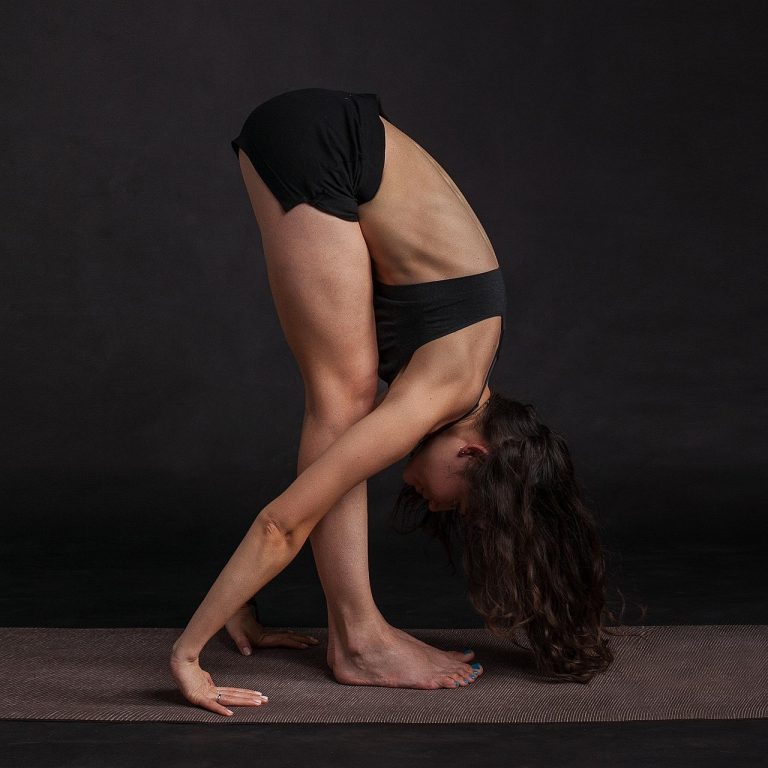
Focus on the hamstrings, hips, and lower back with these stretches. These are critical for individuals who sit for long periods of time. Focus on slowly releasing into the stretch and breathing deeply to help with the process.
These stretches engage multiple muscle groups, promoting overall relaxation and flexibility. Focus on your breathing while in the stretch to allow your body to relax further.
Aim to stretch for 10-15 minutes each evening, ideally an hour or two before bedtime. Consistency is key, so try to make it a regular part of your routine. Some people find it useful to set an alarm as a reminder.
Set the mood for relaxation by dimming the lights, playing calming music, and practicing deep breathing. A comfortable and quiet environment can enhance the benefits of your stretching routine. Ensure your stretching area is free from clutter and distractions.
It’s important to listen to your body and avoid pushing yourself too hard. Stretching should feel gentle and relaxing, not painful. If you experience any sharp pain, stop immediately. Gradually increase the intensity of your stretches as your flexibility improves.
Focus on your breath while stretching, inhaling deeply and exhaling slowly. Deep breathing helps to relax your muscles and calm your nervous system. Try to coordinate your breath with your movements, exhaling as you move into the stretch and inhaling as you release.
Staying hydrated is important for muscle health and flexibility. Drink plenty of water throughout the day, and especially before and after stretching. Hydrated muscles are more pliable and less prone to injury.
The benefits of stretching are cumulative, so consistency is key. Make evening stretching a regular part of your routine, and you’ll start to notice improvements in your flexibility, muscle tension, and sleep quality. Even a few minutes of stretching each day can make a big difference.
Incorporating evening stretches into your daily routine can provide numerous benefits, from reducing muscle tension and improving sleep quality to enhancing flexibility and promoting relaxation. By following the guidelines and tips outlined in this article, you can create a personalized evening stretching routine that meets your needs and helps you unwind after a long day. Remember to listen to your body, breathe deeply, and enjoy the process. Your body will thank you!