Physical Address
304 North Cardinal St.
Dorchester Center, MA 02124
Physical Address
304 North Cardinal St.
Dorchester Center, MA 02124


Static stretching. Just the words can conjure up images of athletes limbering up before a big game, or perhaps a seasoned yogi holding a serene pose. But static stretching is more than just a pre-workout ritual or a component of flexibility-focused disciplines. It’s a fundamental technique with proven benefits for everyone from elite performers to those simply looking to improve their overall well-being. This post will delve into the details of static stretching, exploring its mechanics, benefits, correct execution, and how to incorporate it effectively into your fitness routine.
Static stretching involves lengthening a muscle to a point of mild discomfort and holding that position for a sustained period. Unlike dynamic stretches, which involve movement, static stretches are held stationary. This allows the muscles to gradually relax and lengthen, increasing flexibility and range of motion.
The process of static stretching primarily targets the soft tissues surrounding the joints, including muscles, tendons, and ligaments. Holding a stretch signals to the nervous system to reduce muscle tension. This process is known as autogenic inhibition and reciprocal inhibition. Autogenic inhibition occurs when tension increases in the muscle, causing the Golgi tendon organs to activate and signal the muscle to relax. Reciprocal inhibition involves contracting the muscle opposite the one being stretched, further promoting relaxation and lengthening of the target muscle.
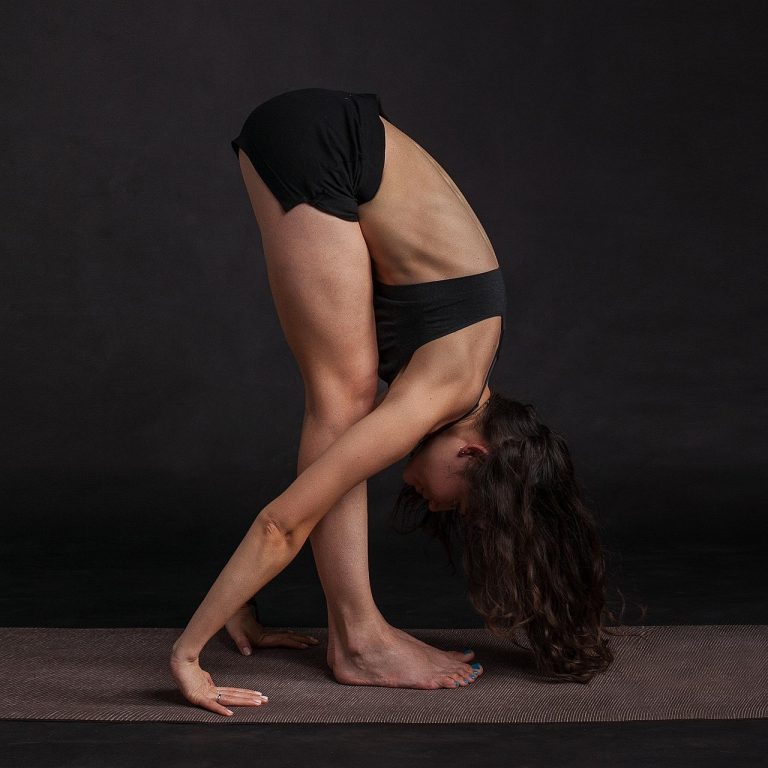
Here are some common examples of static stretches:
One of the most significant benefits of static stretching is improved flexibility and range of motion. Regular static stretching can help lengthen muscles and increase the distance a joint can move through its full range. This is particularly beneficial for activities requiring a wide range of movement, such as gymnastics, dance, and martial arts.
Static stretching can aid in reducing muscle soreness and stiffness, particularly after intense exercise. While it’s debated whether it directly prevents delayed onset muscle soreness (DOMS), it can help improve blood flow to the muscles and reduce muscle tension, thus alleviating some discomfort.
By improving flexibility in key muscle groups, static stretching can contribute to better posture and body alignment. For example, stretching the chest muscles and strengthening the back muscles can help correct rounded shoulders and improve overall spinal alignment.
Static stretching can have a calming effect on the nervous system, helping to reduce stress and promote relaxation. Holding a stretch for a sustained period can trigger the parasympathetic nervous system, which is responsible for the “rest and digest” response.
While static stretching is beneficial, it’s generally recommended to perform a light warm-up before engaging in static stretching. A warm-up increases blood flow to the muscles, making them more pliable and less prone to injury. A light cardiovascular activity such as jogging or jumping jacks for 5-10 minutes is adequate.
Proper technique is crucial for maximizing the benefits of static stretching and minimizing the risk of injury. Here are some key guidelines:
For optimal results, aim to perform static stretching 2-3 times per week. Each stretching session should last around 15-20 minutes, focusing on major muscle groups. Consistency is key to improving flexibility and maintaining range of motion.
It’s essential to listen to your body and avoid pushing yourself too hard. If you experience any pain or discomfort beyond a mild stretch, stop immediately. Everyone’s flexibility levels are different, so it’s important to tailor your stretching routine to your own individual needs and limitations.
Static stretching is often recommended as part of a post-workout routine. After exercise, muscles are warm and pliable, making them more receptive to stretching. Post-workout stretching can help reduce muscle soreness and improve recovery.
In addition to post-workout stretching, consider incorporating dedicated flexibility sessions into your training schedule. These sessions can focus specifically on improving flexibility and range of motion. This can be particularly beneficial if you have limited flexibility or participate in activities that require a high degree of flexibility.
While static stretching has historically been recommended as a pre-exercise activity for injury prevention, current research suggests that dynamic stretching is more effective for preparing the body for intense activity. Static stretching can actually reduce power and force output when performed directly before exercise. Therefore, it’s best to reserve static stretching for post-exercise or dedicated flexibility sessions.
Here’s a sample static stretching routine that can be incorporated into your post-workout cool-down:
Static stretching is a valuable tool for improving flexibility, reducing muscle soreness, enhancing posture, and promoting relaxation. By understanding the principles of static stretching and incorporating it correctly into your routine, you can unlock a wide range of benefits for both your physical and mental well-being. Remember to warm up before stretching, use proper technique, and listen to your body to maximize the positive effects and minimize the risk of injury. Embrace static stretching as a consistent part of your fitness journey and reap the rewards of a more flexible, balanced, and healthier you.