Lengthening your muscles can seem like the holy grail of fitness, promising increased flexibility, reduced injury risk, and improved athletic performance. But is it really possible to make your muscles longer? The answer is nuanced, but the potential benefits of incorporating practices that promote muscle lengthening and flexibility are undeniable. Let’s delve into the science and practical applications of muscle lengthening, and how you can implement strategies to optimize your body’s movement and well-being.
Understanding Muscle Length and Flexibility
What Determines Muscle Length?
- Genetics: Your genetic makeup plays a significant role in determining your natural range of motion and muscle structure. Some individuals are naturally more flexible than others.
- Muscle Fiber Arrangement: The way your muscle fibers are organized influences how effectively the muscle can lengthen. Muscles with longer fascicles (bundles of muscle fibers) tend to have a greater potential for lengthening.
- Connective Tissue: The surrounding connective tissue, including fascia, tendons, and ligaments, also limits or enhances flexibility. Scar tissue and adhesions can significantly restrict muscle movement.
- Neuromuscular Control: The nervous system plays a crucial role in muscle length. Muscle spindles and Golgi tendon organs (sensory receptors) regulate muscle tension and length, influencing the stretch reflex.
- Training and Activity: Consistent training that includes stretching and mobility exercises can promote muscle lengthening over time. Conversely, a sedentary lifestyle or repetitive movements can lead to muscle shortening and stiffness.
Muscle Length vs. Flexibility vs. Mobility
It’s important to distinguish between these related but distinct concepts:
- Muscle Length: Refers to the actual length of the muscle fibers and the surrounding tissues.
- Flexibility: Is the ability of a muscle to lengthen passively through a range of motion. It’s the potential range that can be achieved.
- Mobility: Is the ability to move freely and easily. It encompasses both flexibility and the ability to control movement through that range of motion. Mobility requires strength, coordination, and neuromuscular control.
Think of it this way: You might have the flexibility to touch your toes (muscle length and flexibility), but not the mobility to squat deeply with proper form (mobility, requiring strength and coordination).
The Benefits of Muscle Lengthening Practices
Increased Range of Motion
- Improved athletic performance: Greater range of motion allows for more powerful and efficient movements. For example, a baseball pitcher with increased shoulder mobility can generate more velocity.
- Enhanced daily activities: Lengthened muscles make everyday tasks easier, such as reaching for objects on high shelves or bending down to pick something up.
Reduced Injury Risk
- Improved muscle elasticity: Flexible muscles are less prone to strains and tears.
- Better shock absorption: Lengthened muscles can better absorb impact, protecting joints from injury. Studies have shown that incorporating regular stretching can reduce the risk of hamstring strains in athletes by as much as 50%.
- Correcting muscular imbalances: Stretching can help address muscle imbalances that can lead to joint pain and dysfunction.
Improved Posture and Body Alignment
- Counteracting the effects of sitting: Prolonged sitting often leads to shortened hip flexors and hamstrings, contributing to poor posture. Targeted stretching can help counteract these effects.
- Reducing back pain: Lengthening tight muscles in the lower back, hamstrings, and hip flexors can alleviate lower back pain.
- Improved breathing: Stretching the chest muscles can improve rib cage mobility and breathing capacity.
Enhanced Athletic Performance
- Increased power output: Greater range of motion allows for more complete muscle contractions, leading to increased power.
- Improved agility and coordination: Flexible muscles contribute to improved agility and coordination.
- Faster recovery: Stretching can improve blood flow to muscles, aiding in recovery after exercise.
Effective Techniques for Promoting Muscle Lengthening
Static Stretching
- How it works: Involves holding a stretch for an extended period (typically 30-60 seconds). This type of stretching is best performed after a workout or as part of a cool-down.
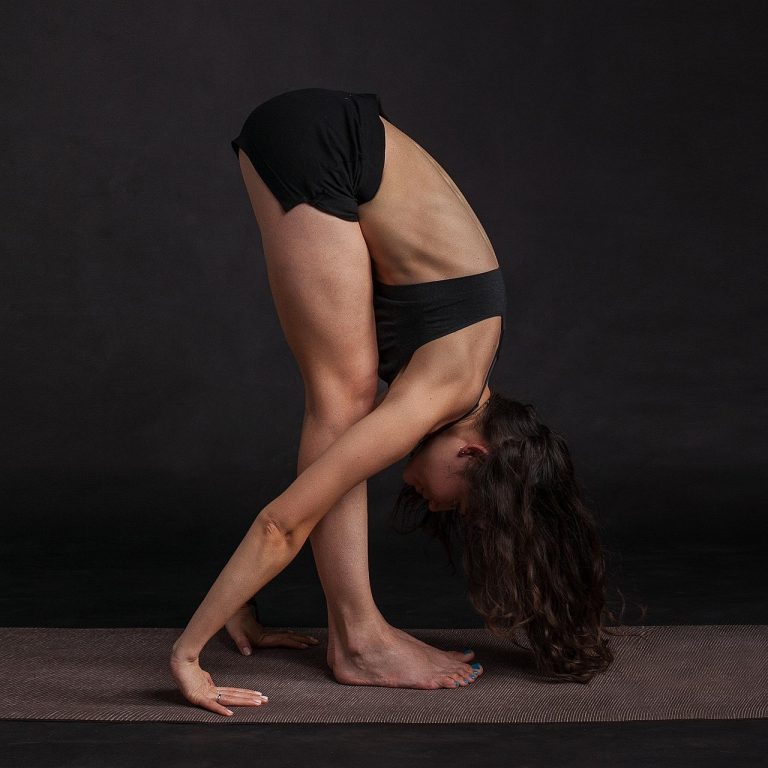
- Example: Hold a hamstring stretch by sitting with your legs extended and reaching towards your toes.
- Benefit: Effective for increasing flexibility and reducing muscle stiffness.
Dynamic Stretching
- How it works: Involves controlled movements that take muscles through a full range of motion. Dynamic stretching is best performed before a workout as part of a warm-up.
- Example: Leg swings, arm circles, torso twists.
- Benefit: Prepares muscles for activity and improves mobility.
Proprioceptive Neuromuscular Facilitation (PNF) Stretching
- How it works: Combines stretching with isometric contractions to increase range of motion. It involves contracting the muscle being stretched against resistance for a short period, followed by a relaxation phase and further stretching. This technique can increase flexibility more effectively than static stretching alone.
- Example: Contract-Relax PNF stretch for the hamstring. Have a partner resist your leg as you try to straighten it, then relax and allow your partner to stretch your hamstring further.
- Benefit: Highly effective for increasing flexibility and range of motion.
Foam Rolling and Myofascial Release
- How it works: Applies pressure to tight areas of muscle and fascia to release tension and improve mobility.
- Example: Use a foam roller on your hamstrings, quads, or back to release knots and improve muscle flexibility.
- Benefit: Breaks up adhesions and improves tissue mobility, contributing to improved muscle lengthening.
Yoga and Pilates
- How it works: These practices combine stretching, strengthening, and mindfulness to improve flexibility, mobility, and overall body awareness.
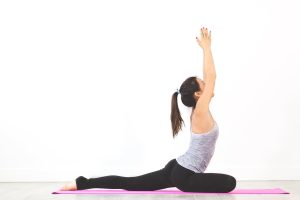
- Example: Yoga poses like downward dog, triangle pose, and pigeon pose are excellent for lengthening muscles and improving flexibility. Pilates focuses on core strength and controlled movements, which can improve posture and mobility.
- Benefit: Comprehensive approach to improving flexibility, strength, and overall well-being.
Creating a Muscle Lengthening Routine
Assessment
- Identify tight areas: Assess your body to identify areas of tightness and limited range of motion. Common areas include the hamstrings, hip flexors, chest, and shoulders.
- Use simple tests: The Thomas Test for hip flexors, or a simple reach test for hamstrings can help identify problem areas.
- Consider professional assessment: A physical therapist or certified personal trainer can conduct a more thorough assessment and provide personalized recommendations.
Designing Your Program
- Include a variety of techniques: Incorporate static stretching, dynamic stretching, foam rolling, and mobility exercises into your routine.
- Focus on problem areas: Prioritize stretching and mobility exercises for the areas where you have the most limitations.
- Start slowly and gradually increase intensity: Avoid pushing yourself too hard, especially when you are first starting out. Gradually increase the duration and intensity of your stretches as your flexibility improves.
- Consistency is key: Aim to stretch at least 2-3 times per week for optimal results.
- Warm-up before stretching: Performing light cardio and dynamic stretching before static stretching can help prepare your muscles and reduce the risk of injury.
Sample Routine
Here’s a sample routine incorporating different techniques:
- Warm-up (5-10 minutes): Light cardio (e.g., jogging in place), arm circles, leg swings.
- Dynamic Stretching (5-10 minutes): Leg swings (forward, sideways), arm circles, torso twists, cat-cow stretch.
- Foam Rolling (5-10 minutes): Hamstrings, quads, glutes, back.
- Static Stretching (10-15 minutes): Hold each stretch for 30-60 seconds.
Hamstring stretch
Hip flexor stretch (lunge stretch)
Chest stretch (doorway stretch)
Shoulder stretch (across-the-body arm stretch)
Calf stretch
Important Considerations
- Listen to your body: Pay attention to your body’s signals and stop if you feel any pain.
- Breathe deeply: Deep breathing can help relax muscles and improve flexibility.
- Stay hydrated: Adequate hydration is essential for muscle function and flexibility.
- Be patient: It takes time and consistency to improve muscle length and flexibility.
Conclusion
While the notion of drastically lengthening* muscle fibers might be an oversimplification, implementing strategies focused on improving flexibility and mobility is undeniably beneficial. By understanding the factors that influence muscle length and consistently incorporating techniques like static stretching, dynamic stretching, PNF stretching, and foam rolling, you can significantly improve your range of motion, reduce your risk of injury, and enhance your athletic performance. Remember that consistency and patience are crucial, and that listening to your body is paramount. Embrace these practices and unlock your body’s full potential for movement and well-being.