Feeling stiff? Experiencing those aches and pains that seem to creep in out of nowhere? A consistent stretching routine might be the solution you’re looking for. More than just touching your toes, stretching enhances flexibility, reduces muscle tension, and contributes to overall well-being. This comprehensive guide will walk you through building a personalized stretching plan to improve your physical health and enhance your daily life.
Benefits of a Regular Stretching Plan
Improved Flexibility and Range of Motion
- Stretching increases flexibility by lengthening muscles and connective tissues.
- Greater range of motion allows for easier and more efficient movement in daily activities.
- Example: Reaching for an item on a high shelf becomes effortless.
Reduced Muscle Tension and Soreness
- Stretching releases built-up tension in muscles, alleviating tightness and discomfort.
- It can help reduce delayed-onset muscle soreness (DOMS) after exercise.
- Example: Gentle stretching after a workout can minimize stiffness the next day.
Enhanced Circulation
- Stretching increases blood flow to muscles, promoting better nutrient delivery and waste removal.
- Improved circulation can lead to faster recovery and reduced inflammation.
- Example: Leg stretches can help improve circulation in people who sit for long periods.
Injury Prevention
- Flexible muscles are less prone to strains and tears.
- Stretching helps prepare muscles for physical activity, reducing the risk of injury.
- According to the American Academy of Orthopaedic Surgeons, proper stretching can significantly decrease the likelihood of sports-related injuries.
Stress Reduction and Mental Well-being
- Stretching can have a calming effect on the nervous system, reducing stress and anxiety.
- Focusing on your body during stretching can promote mindfulness and relaxation.
- Example: Deep breathing during stretches can further enhance relaxation.
Types of Stretching
Static Stretching
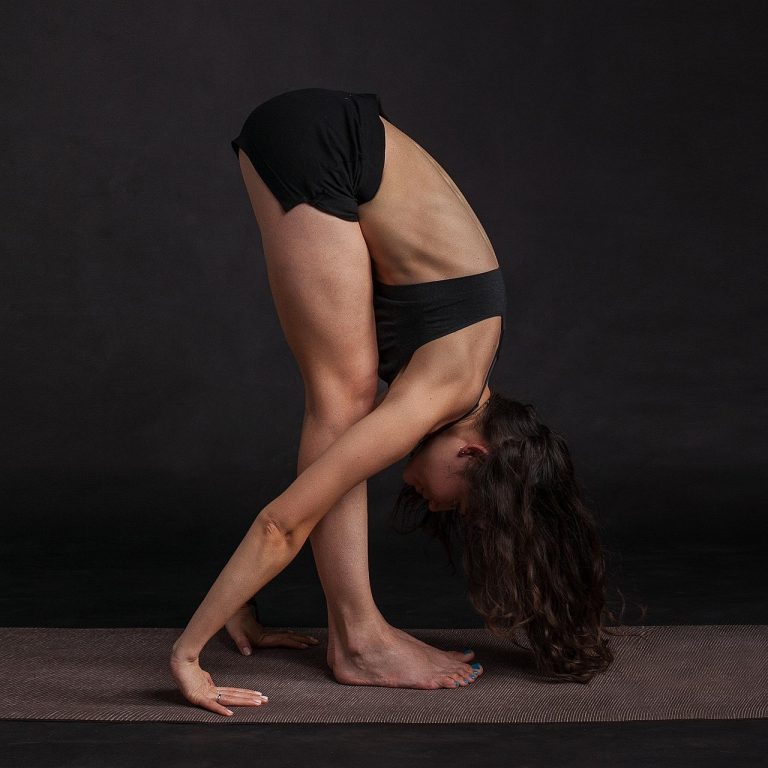
- Involves holding a stretch in a comfortable position for a period of time, typically 15-30 seconds.
- Best performed after a workout or when muscles are warm.
- Example: Holding a hamstring stretch by reaching towards your toes while seated.
Dynamic Stretching
- Involves controlled movements through a range of motion.
- Ideal for warm-ups before exercise, as it prepares muscles for activity.
- Example: Arm circles, leg swings, and torso twists.
Ballistic Stretching
- Involves bouncing movements to force a stretch beyond its normal range.
- Higher risk of injury and generally not recommended for beginners.
- Example: Rapidly bouncing while trying to touch your toes.
Proprioceptive Neuromuscular Facilitation (PNF) Stretching
- Involves contracting and relaxing muscles while stretching, often with assistance.
- Effective for increasing flexibility, but requires proper technique and may be best performed with a partner or physical therapist.
- Example: Contracting the hamstring muscle against resistance while a partner stretches the leg.
Creating Your Personalized Stretching Plan
Assessment and Goal Setting
- Assess your current flexibility and identify areas of tightness or discomfort.
- Set realistic goals for improving flexibility and overall well-being.
- Consider consulting with a physical therapist or certified trainer for guidance.
- Example: Goal – To improve flexibility in hamstrings to touch toes within 3 months.
Structure of Your Routine
- Include a variety of stretches that target major muscle groups (legs, back, shoulders, arms).
- Balance static and dynamic stretching based on your needs and preferences.
- Allocate specific times for stretching, such as after workouts or in the morning.
- Frequency: Aim for at least 2-3 stretching sessions per week, ideally daily for optimal results.
Sample Stretching Routine
- Warm-up (5 minutes): Light cardio, such as walking or jogging in place, followed by dynamic stretches (arm circles, leg swings).
- Static Stretches (15-20 minutes):
Hamstring Stretch (30 seconds per leg)
Quadriceps Stretch (30 seconds per leg)
Calf Stretch (30 seconds per leg)
Shoulder Stretch (30 seconds per arm)
Triceps Stretch (30 seconds per arm)
Back Stretch (Cat-Cow pose or spinal twist – 30 seconds)
* Hip Flexor Stretch (30 seconds per leg)
- Cool-down (5 minutes): Gentle movements and deep breathing.
Progression and Modification
- Gradually increase the duration and intensity of your stretches as your flexibility improves.
- Listen to your body and avoid pushing yourself too hard.
- Modify stretches as needed to accommodate any injuries or limitations.
- Example: Use a strap or towel to assist with reaching your toes if you have tight hamstrings.
Important Considerations and Safety Tips
Proper Form and Technique
- Maintain correct posture and alignment during stretches.
- Avoid arching or rounding your back excessively.
- Keep your core engaged to support your spine.
Breathing Techniques
- Breathe deeply and evenly throughout each stretch.
- Exhale as you move deeper into the stretch, and inhale as you release.
- Controlled breathing helps to relax muscles and enhance the effectiveness of the stretch.
Avoid Overstretching
- Stretch to the point of mild tension, not pain.
- Never bounce or force a stretch beyond its comfortable range.
- If you feel sharp pain, stop the stretch immediately.
Hydration and Nutrition
- Stay hydrated by drinking plenty of water.
- Proper nutrition supports muscle health and recovery.
- Foods rich in magnesium and potassium can help prevent muscle cramps.
Conclusion
Incorporating a regular stretching plan into your lifestyle offers a multitude of benefits, from improved flexibility and reduced muscle tension to enhanced circulation and stress reduction. By understanding the different types of stretching, creating a personalized routine, and prioritizing safety, you can unlock your body’s potential and enjoy a more active, comfortable, and fulfilling life. Remember to listen to your body, be patient, and enjoy the process of becoming more flexible and healthier. Start small, be consistent, and reap the rewards of a well-structured stretching plan!