Aching joints? Stiff muscles slowing you down? A simple daily stretching routine can be a game-changer, improving flexibility, reducing pain, and boosting your overall well-being. Incorporating even just 10-15 minutes of stretching into your daily life can yield significant benefits, leaving you feeling more energized, relaxed, and ready to tackle whatever the day throws your way. This comprehensive guide will walk you through everything you need to know to create and stick to an effective daily stretching routine.
Why Daily Stretching is Essential
The Benefits of Regular Stretching
Stretching isn’t just about touching your toes; it’s a vital component of a healthy lifestyle. Consistent stretching offers a wide array of benefits, both physical and mental.
- Improved Flexibility and Range of Motion: This is perhaps the most well-known benefit. Regular stretching allows your muscles to lengthen, increasing your range of motion in your joints.
- Reduced Muscle Tension and Soreness: Stretching helps to release tension that builds up in muscles throughout the day, reducing stiffness and discomfort. Studies show that stretching after exercise can help reduce delayed onset muscle soreness (DOMS).
- Improved Circulation: Stretching increases blood flow to muscles, which can help speed up recovery and reduce fatigue.
- Better Posture: Stretching can help improve posture by loosening tight muscles that pull the body out of alignment.
- Reduced Risk of Injury: Flexible muscles are less prone to injury. Stretching prepares muscles for physical activity by increasing their elasticity.
- Stress Relief: Stretching can have a calming effect on the mind and body, reducing stress and anxiety.
Common Myths About Stretching
Despite the numerous benefits, some misconceptions about stretching persist. Let’s debunk a few:
- Myth: Stretching prevents all injuries. Fact: While stretching reduces the risk of injury, it doesn’t eliminate it entirely.
- Myth: You should always stretch before exercise. Fact: Static stretching (holding a stretch for a prolonged period) before exercise can actually decrease performance. Dynamic stretching (controlled movements through a range of motion) is better pre-workout. Static stretching is best post-workout.
- Myth: More stretching is always better. Fact: Overtraining your flexibility can lead to hypermobility and instability in your joints. Moderation is key.
Building Your Daily Stretching Routine
Identifying Your Needs
Before diving into specific stretches, take a moment to assess your body’s needs. Where do you feel the most tension? Are there any areas that are particularly stiff or limited in range of motion? Understanding your individual needs will help you tailor your routine for maximum effectiveness. Think about:
- Desk workers: Often experience tightness in the neck, shoulders, hips, and hamstrings.
- Athletes: May focus on specific muscle groups used in their sport, such as hamstrings and calves for runners, or shoulders and chest for swimmers.
- Older adults: May prioritize stretches that improve mobility and balance, such as ankle circles and hip flexor stretches.
Types of Stretches
Understanding the different types of stretches is crucial for creating a balanced routine.
- Static Stretching: Holding a stretch in a stationary position for a period of time (typically 15-30 seconds). Best performed after a workout or at the end of the day.
- Dynamic Stretching: Controlled movements that gradually increase range of motion. Ideal for warming up before exercise. Examples include arm circles, leg swings, and torso twists.
- Ballistic Stretching: Involves bouncing or jerky movements to push a joint beyond its normal range of motion. Generally not recommended due to the high risk of injury.
- Proprioceptive Neuromuscular Facilitation (PNF) Stretching: A more advanced technique that involves contracting and relaxing the muscle being stretched. Often performed with a partner or resistance band.
Sample Daily Stretching Routine
Here’s a sample routine that targets major muscle groups, suitable for most individuals. Remember to listen to your body and modify as needed. Hold each static stretch for 30 seconds, and perform each dynamic stretch for 10-12 repetitions.
Light cardio, such as jogging in place or jumping jacks.
Arm circles (forward and backward).
Leg swings (forward and sideways).
Neck Stretches: Gently tilt your head to one side, bringing your ear towards your shoulder. Repeat on the other side.
Shoulder Stretches: Cross one arm across your body and gently pull it towards you with your other arm. Repeat on the other side.
Chest Stretch: Stand with your arms behind your back, clasp your hands together, and gently lift your arms upwards.
Tricep Stretch: Reach one arm overhead and bend your elbow, bringing your hand towards your upper back. Use your other hand to gently pull your elbow further. Repeat on the other side.
Back Stretch (Cat-Cow): Get on your hands and knees. Inhale and arch your back like a cat, tucking your chin to your chest. Exhale and drop your belly towards the floor, lifting your head and tailbone.
Hip Flexor Stretch: Kneel on one knee with the other foot flat on the floor in front of you. Gently push your hips forward, feeling a stretch in the front of your hip. Repeat on the other side.
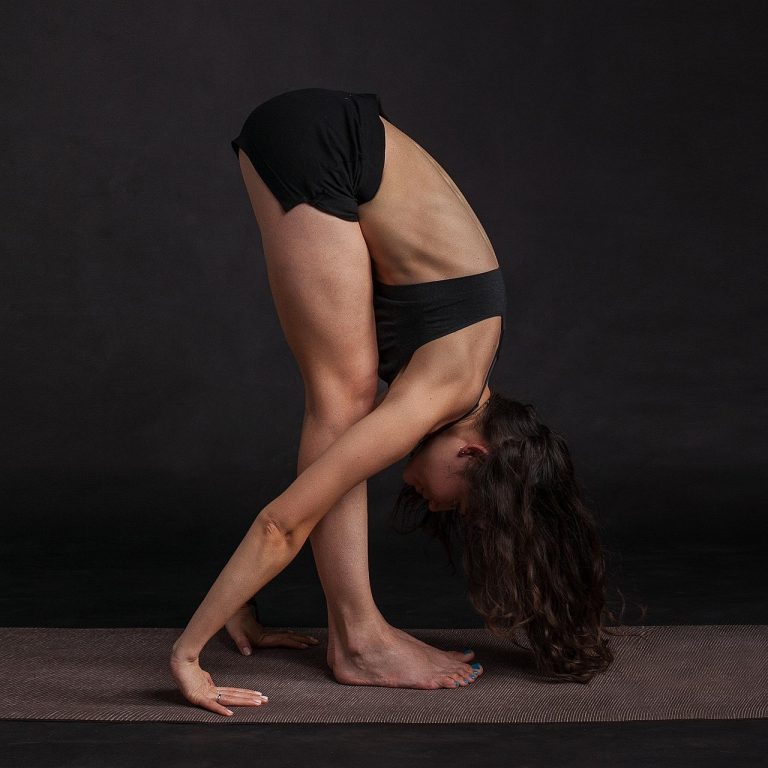
Hamstring Stretch: Sit on the floor with your legs extended in front of you. Reach towards your toes, keeping your back as straight as possible. If you can’t reach your toes, grab your ankles or shins.
Calf Stretch: Stand facing a wall and place one foot slightly behind the other. Lean towards the wall, keeping your back heel on the ground, feeling a stretch in your calf. Repeat on the other side.
Quad Stretch: Standing, grab one foot and pull it towards your buttock, feeling a stretch in the front of your thigh. Repeat on the other side.
Tips for an Effective Stretching Session
Proper Technique and Form
Proper technique is crucial for maximizing the benefits of stretching and preventing injury.
- Breathe deeply: Focus on slow, deep breaths throughout each stretch. Breathing helps to relax the muscles and increase range of motion.
- Avoid bouncing: Bouncing can trigger the stretch reflex, causing your muscles to contract and potentially leading to injury.
- Listen to your body: You should feel a gentle pull, but never pain. If you feel pain, stop immediately.
- Maintain proper posture: Good posture ensures that you’re targeting the right muscles and avoiding unnecessary strain.
Incorporating Stretching into Your Daily Routine
Making stretching a habit requires consistency and integration into your existing routine.
- Set a specific time: Choose a time that works best for you, such as first thing in the morning, after a workout, or before bed.
- Create reminders: Use your phone or calendar to set reminders to stretch.
- Make it enjoyable: Put on some relaxing music or stretch while watching your favorite TV show.
- Start small: Don’t try to do too much too soon. Begin with a shorter routine and gradually increase the duration and intensity as you become more flexible.
- Be patient: Flexibility takes time to develop. Don’t get discouraged if you don’t see results immediately. Consistency is key.
Equipment to Enhance Your Stretching
While not essential, certain equipment can enhance your stretching routine:
- Yoga Mat: Provides a comfortable surface for stretching on the floor.
- Resistance Bands: Can be used to deepen stretches and add resistance for PNF stretching.
- Foam Roller: Useful for self-massage and releasing muscle tension.
- Stretching Strap: Helps you reach further and hold stretches more comfortably.
Troubleshooting Common Stretching Issues
Dealing with Stiffness and Soreness
It’s normal to experience some stiffness or soreness when starting a new stretching routine.
- Start slowly: Gradually increase the duration and intensity of your stretches.
- Use heat: Applying heat to the muscles before stretching can help to relax them.
- Stay hydrated: Dehydration can contribute to muscle stiffness.
- Massage: Gentle massage can help to relieve muscle tension and soreness.
Addressing Plateaus in Flexibility
If you’ve been stretching consistently but aren’t seeing further improvements in flexibility, consider these tips:
- Vary your routine: Try incorporating new stretches or different types of stretching.
- Hold stretches longer: Increase the duration of your static stretches to 45-60 seconds.
- Focus on technique: Make sure you’re using proper technique and form.
- Consider PNF stretching: This advanced technique can help to break through plateaus.
Conclusion
Incorporating a daily stretching routine into your life is a powerful investment in your overall health and well-being. From improved flexibility and reduced muscle tension to enhanced circulation and stress relief, the benefits are undeniable. By understanding the principles of stretching, building a tailored routine, and addressing common issues, you can unlock your body’s full potential and enjoy a more comfortable, active, and fulfilling life. Remember to listen to your body, be patient, and most importantly, be consistent. Your body will thank you for it.