Stiff muscles? Feeling tight and restricted? You’re not alone. Incorporating a regular stretching session into your routine can significantly improve your flexibility, reduce muscle tension, and boost your overall well-being. This guide provides a comprehensive overview of stretching, covering everything from the different types to practical tips for designing your own effective routine. Get ready to unlock a new level of comfort and mobility!
Understanding the Importance of Stretching
Stretching isn’t just about touching your toes. It’s a fundamental component of physical health and plays a crucial role in injury prevention, performance enhancement, and overall well-being.
Benefits of Regular Stretching
- Improved Flexibility and Range of Motion: Regular stretching increases the elasticity of your muscles and the mobility of your joints, allowing for a greater range of motion. This makes everyday activities easier and more comfortable.
- Reduced Muscle Tension and Soreness: Stretching can help release built-up tension in your muscles, reducing stiffness and soreness, especially after exercise.
- Enhanced Posture: Tight muscles can contribute to poor posture. Stretching can help correct muscle imbalances and improve your body alignment.
- Improved Circulation: Stretching increases blood flow to your muscles, which can promote healing and reduce muscle fatigue.
- Stress Relief: Stretching can have a calming effect on the mind and body, reducing stress and promoting relaxation. Some studies even link stretching to decreased cortisol levels, the body’s primary stress hormone.
- Injury Prevention: By increasing flexibility and range of motion, stretching can help prevent injuries during physical activity. Muscles that are more pliable are less likely to tear or strain.
When to Stretch: Before or After Exercise?
The optimal time to stretch depends on the type of stretching you’re doing.
- Before Exercise (Dynamic Stretching): Dynamic stretches are active movements that prepare your muscles for activity. Examples include arm circles, leg swings, and torso twists. Dynamic stretching helps increase blood flow to the muscles and improve range of motion, preparing your body for the workout ahead.
- After Exercise (Static Stretching): Static stretches involve holding a stretch for a prolonged period (typically 15-30 seconds). This type of stretching is best performed after exercise when your muscles are warm and more pliable. Static stretching helps improve flexibility and reduce muscle soreness.
Types of Stretching Techniques
There are several different types of stretching techniques, each with its own benefits. Understanding these techniques can help you tailor your stretching routine to your specific needs and goals.
Static Stretching
Static stretching involves holding a stretch in a comfortable position for a sustained period, typically 15-30 seconds. This is the most common type of stretching and is effective for improving flexibility.
- Example: Hamstring stretch – Sit on the floor with your legs extended. Reach towards your toes, keeping your back straight as much as possible. Hold for 30 seconds.
Dynamic Stretching
Dynamic stretching involves controlled movements that gradually increase your range of motion. This type of stretching is ideal for warming up before exercise.
- Example: Leg swings – Stand tall and swing one leg forward and backward, gradually increasing the range of motion. Repeat on the other leg.
Ballistic Stretching
Ballistic stretching involves bouncing or jerky movements to force your muscles beyond their normal range of motion. This type of stretching is generally not recommended for beginners, as it can increase the risk of injury. It’s usually reserved for athletes with a high level of flexibility and control.
- Caution: Ballistic stretching is not suitable for everyone and should be performed with caution.
Proprioceptive Neuromuscular Facilitation (PNF) Stretching
PNF stretching involves contracting and relaxing specific muscle groups to improve flexibility. This technique often involves a partner and can be highly effective for increasing range of motion.
- Example: Contract-relax hamstring stretch – Lie on your back with one leg extended towards the ceiling. Have a partner hold your leg in place while you contract your hamstring muscles for 6 seconds. Then, relax your muscles while your partner gently stretches your leg further.
Creating Your Own Stretching Routine
Designing a personalized stretching routine can help you target specific areas of your body and achieve your flexibility goals.
Identifying Your Needs
Before you start stretching, it’s important to identify your specific needs and goals.
- Assess your current flexibility: Identify areas where you feel tight or restricted.
- Consider your activity level: If you’re an athlete, you may need a more comprehensive stretching routine than someone who is less active.
- Set realistic goals: Start small and gradually increase the intensity and duration of your stretches as your flexibility improves.
Sample Stretching Routine
Here’s a sample stretching routine that you can adapt to your own needs:
- Neck Stretches: Gentle head tilts to the side and rotations to relieve neck tension. Hold each stretch for 15-30 seconds.
- Shoulder Stretches: Arm circles (dynamic), cross-body arm stretch (static). Hold each static stretch for 30 seconds.
- Chest Stretch: Stand in a doorway and place your forearms on the frame. Gently lean forward until you feel a stretch in your chest. Hold for 30 seconds.
- Back Stretches: Cat-cow pose (dynamic), seated spinal twist (static). Hold each static stretch for 30 seconds.
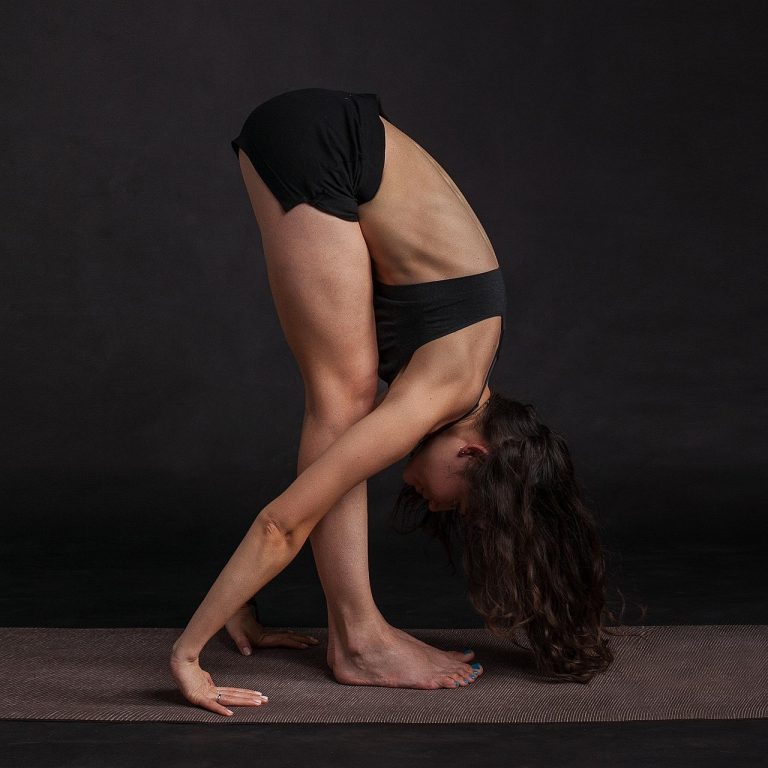
- Hamstring Stretches: Seated hamstring stretch, standing hamstring stretch. Hold each stretch for 30 seconds.
- Quadriceps Stretch: Standing quadriceps stretch, holding your foot behind you. Hold for 30 seconds.
- Calf Stretches: Standing calf stretch, leaning against a wall. Hold for 30 seconds.
Tips for Effective Stretching
- Warm-up your muscles: Before stretching, do some light cardio exercise, such as jogging in place or jumping jacks, to warm up your muscles.
- Breathe deeply: Focus on your breath while stretching. Inhale deeply and exhale slowly.
- Hold each stretch for the appropriate duration: For static stretches, hold each stretch for 15-30 seconds.
- Avoid bouncing: Bouncing can increase the risk of injury.
- Listen to your body: Don’t push yourself too hard. Stop if you feel any pain.
- Be consistent: Aim to stretch regularly, ideally several times a week.
Common Stretching Mistakes to Avoid
Even with good intentions, it’s easy to make mistakes during your stretching session that can hinder progress or even lead to injury.
Overstretching
One of the most common mistakes is pushing yourself too hard and stretching beyond your limits.
- Solution: Always listen to your body and stop if you feel any pain. You should feel a gentle pull, not sharp or intense discomfort.
Holding Your Breath
Holding your breath during stretching can restrict blood flow and increase muscle tension.
- Solution: Focus on your breathing. Inhale deeply and exhale slowly throughout the stretch.
Neglecting Proper Form
Using incorrect form can reduce the effectiveness of your stretches and increase the risk of injury.
- Solution: Pay attention to your body alignment and ensure that you’re performing the stretches correctly. If you’re unsure, consult with a physical therapist or certified trainer.
Stretching Cold Muscles
Stretching cold muscles can increase the risk of injury.
- Solution: Always warm up your muscles before stretching.
Stretching for Specific Needs
Stretching can be tailored to address specific needs, such as relieving back pain or improving athletic performance.
Stretching for Back Pain
Back pain can be caused by a variety of factors, including muscle tension, poor posture, and disc problems. Stretching can help relieve back pain by releasing muscle tension and improving spinal flexibility.
- Example Stretches: Cat-cow pose, pelvic tilts, knee-to-chest stretch.
Stretching for Athletes
Athletes can benefit from stretching by improving flexibility, preventing injuries, and enhancing performance.
- Example Stretches: Dynamic stretches before exercise, static stretches after exercise, sport-specific stretches. For example, swimmers might focus on shoulder flexibility, while runners would concentrate on hamstrings and calves.
Conclusion
Incorporating a regular stretching session into your routine is a powerful way to improve your flexibility, reduce muscle tension, and enhance your overall well-being. By understanding the different types of stretching, creating a personalized routine, and avoiding common mistakes, you can unlock the many benefits of stretching and enjoy a more comfortable and active lifestyle. Start slowly, listen to your body, and be consistent – your body will thank you for it!