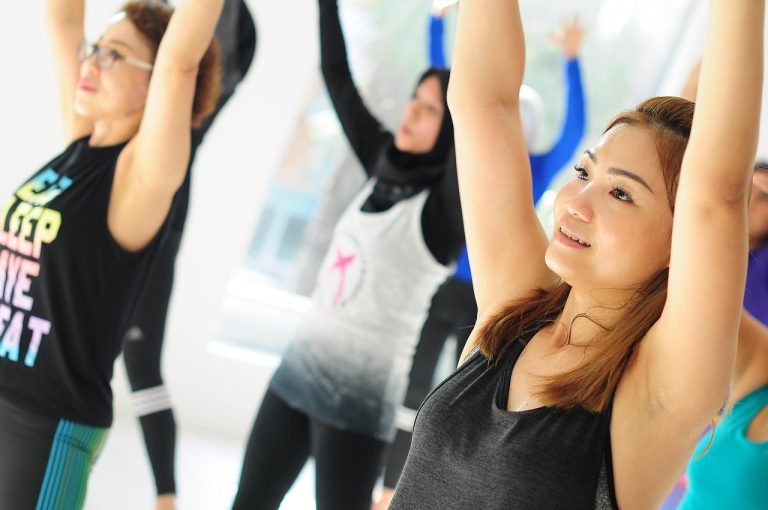
Feeling stiff after a long day at the office? Or perhaps you’re an athlete looking to improve your flexibility and performance? Incorporating a regular stretching session into your routine is a simple yet powerful way to enhance your overall well-being. Stretching not only improves flexibility and range of motion but also reduces muscle tension and promotes relaxation. This blog post will guide you through the ins and outs of creating and implementing an effective stretching routine that suits your individual needs and goals.
The Importance of Stretching
Stretching is often overlooked, but it plays a crucial role in maintaining physical health and preventing injuries. A consistent stretching routine offers a multitude of benefits, impacting everything from your posture to your athletic performance.
Benefits of Regular Stretching
- Improved Flexibility and Range of Motion: Regular stretching helps to lengthen muscles, increasing flexibility and range of motion around joints. This makes everyday movements easier and more comfortable. Imagine reaching for that top shelf without any strain!
- Reduced Muscle Tension and Soreness: Stretching helps to release built-up tension in muscles, alleviating soreness and stiffness. This is especially beneficial after exercise or prolonged periods of sitting.
- Improved Posture: Tight muscles can pull the body out of alignment, leading to poor posture. Stretching can help to correct these imbalances and improve posture.
- Increased Blood Flow to Muscles: Stretching increases circulation, delivering essential nutrients and oxygen to muscles, promoting recovery and reducing fatigue.
- Enhanced Athletic Performance: Increased flexibility and range of motion can improve athletic performance by allowing for more efficient movements and reducing the risk of injuries. Studies have shown that stretching can improve jump height and running speed.
- Stress Reduction: Stretching can have a calming effect on the mind and body, reducing stress and promoting relaxation. Many stretching exercises can be combined with deep breathing techniques to further enhance these benefits.
Types of Stretching
Understanding the different types of stretching is crucial for tailoring your routine to your specific needs.
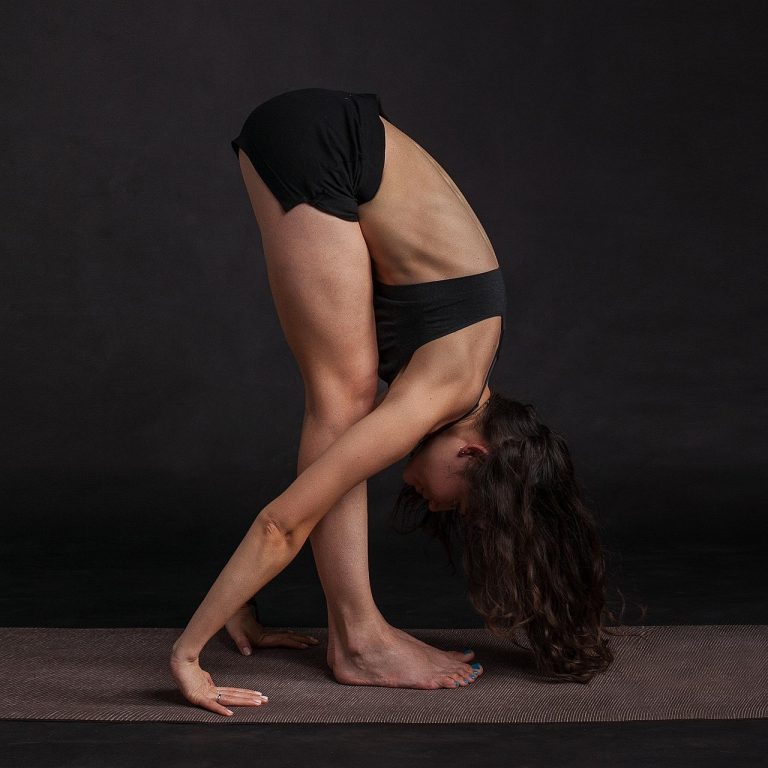
- Static Stretching: Holding a stretch in a stationary position for a period of time (typically 15-30 seconds). This is best performed after a workout or when muscles are warm. Example: Holding a hamstring stretch by reaching for your toes.
- Dynamic Stretching: Involves controlled movements through a full range of motion. This is ideal for warming up muscles before exercise. Example: Arm circles, leg swings, torso twists.
- Ballistic Stretching: Involves bouncing movements to force a stretch. This type of stretching is generally not recommended due to the increased risk of injury.
- Proprioceptive Neuromuscular Facilitation (PNF) Stretching: A more advanced technique that involves contracting and relaxing muscles to achieve a greater range of motion. It often requires a partner.
Creating Your Stretching Routine
Designing an effective stretching routine requires careful consideration of your individual needs, fitness level, and goals. Consider your daily activities and the areas of your body that tend to feel tight or restricted.
Assessing Your Needs
- Identify Tight Areas: Pay attention to the areas of your body that feel stiff, tight, or restricted. Common areas include the hamstrings, hip flexors, lower back, and shoulders.
- Consider Your Activities: Think about the activities you participate in regularly. For example, if you spend a lot of time sitting, you may need to focus on stretching your hip flexors and hamstrings. If you are a runner, focusing on leg stretches will benefit.
- Set Realistic Goals: Start with small, achievable goals and gradually increase the intensity and duration of your stretches as you become more flexible. It’s better to start slow and be consistent.
Sample Stretching Routine
Here’s a sample routine that you can adapt to your individual needs. Remember to listen to your body and stop if you feel any pain.
- Warm-up (5 minutes): Light cardio, such as walking or jogging in place, followed by dynamic stretches like arm circles and leg swings.
- Static Stretches (15-20 minutes):
Hamstring Stretch: Sit on the floor with one leg extended and the other bent. Reach for your toes, holding for 30 seconds. Repeat on the other side.
Quadriceps Stretch: Stand and hold onto a chair or wall for balance. Grab your ankle and gently pull your heel towards your glutes, holding for 30 seconds. Repeat on the other side.
Hip Flexor Stretch: Kneel on one knee with the other foot forward. Gently push your hips forward, feeling a stretch in the front of your hip. Hold for 30 seconds. Repeat on the other side.
Calf Stretch: Stand facing a wall and place one foot slightly behind the other. Lean towards the wall, keeping your back heel on the ground. Hold for 30 seconds. Repeat on the other side.
Shoulder Stretch: Reach one arm across your body and use the other arm to gently pull it closer, holding for 30 seconds. Repeat on the other side.
Triceps Stretch: Reach one arm overhead and bend it at the elbow, reaching your hand down your back. Use your other hand to gently pull your elbow further, holding for 30 seconds. Repeat on the other side.
- Cool-down (5 minutes): Gentle walking or deep breathing exercises to promote relaxation.
Important Considerations
- Listen to Your Body: Stretching should feel comfortable, not painful. Stop if you feel any sharp or intense pain.
- Breathe Deeply: Focus on taking slow, deep breaths throughout your stretching routine. This helps to relax muscles and improve blood flow.
- Be Consistent: Aim to stretch at least 2-3 times per week for optimal results. Consistency is key to improving flexibility and preventing injuries.
- Proper Form: Focus on using proper form to avoid injuries. Watch videos or consult with a physical therapist to ensure you are performing stretches correctly.
- Hydration: Staying hydrated is essential for muscle flexibility. Drink plenty of water before, during, and after your stretching session.
Common Stretching Mistakes to Avoid
Even with good intentions, it’s easy to fall into common pitfalls when stretching. Avoiding these mistakes will help you maximize the benefits of your routine and prevent injuries.
Overstretching
- Pushing Too Hard: Avoid forcing your body into positions beyond its current range of motion. This can lead to muscle strains or tears.
- Bouncing: As mentioned earlier, ballistic stretching (bouncing) can increase the risk of injury. Stick to static or dynamic stretches.
Not Warming Up
- Stretching Cold Muscles: Stretching cold muscles can increase the risk of injury. Always warm up with light cardio and dynamic stretches before performing static stretches.
Holding Your Breath
- Restricting Oxygen Flow: Holding your breath can increase muscle tension and restrict blood flow. Focus on breathing deeply and evenly throughout your stretches.
Neglecting Posture
- Compromising Form: Poor posture during stretching can reduce its effectiveness and increase the risk of injury. Maintain proper alignment and engage your core muscles.
Stretching for Specific Activities
Tailoring your stretching routine to your specific activities can help improve performance and prevent injuries. Whether you’re a runner, weightlifter, or office worker, targeted stretches can make a significant difference.
Runners
- Focus Areas: Hamstrings, hip flexors, calves, quadriceps
- Recommended Stretches: Hamstring stretch, quadriceps stretch, calf stretch, hip flexor stretch, IT band stretch
- Timing: Dynamic stretches before running, static stretches after running
Weightlifters
- Focus Areas: Chest, shoulders, back, hamstrings
- Recommended Stretches: Chest stretch, shoulder stretch, triceps stretch, hamstring stretch, lower back stretch
- Timing: Dynamic stretches before lifting, static stretches after lifting
Office Workers
- Focus Areas: Neck, shoulders, back, wrists, hip flexors
- Recommended Stretches: Neck stretch, shoulder stretch, back stretch, wrist stretch, hip flexor stretch, chest stretch
- Timing: Short stretching breaks throughout the day, longer stretching session in the evening
Integrating Stretching Into Your Daily Life
Making stretching a regular habit is easier when you integrate it into your daily routine. Find opportunities to stretch throughout the day, even if it’s just for a few minutes at a time.
Tips for Consistency
- Set a Schedule: Dedicate specific times for stretching, just like you would for any other important appointment.
- Stretch at Your Desk: Incorporate simple stretches into your workday, such as neck stretches, shoulder rolls, and wrist extensions.
- Combine with Other Activities: Stretch while watching TV, listening to music, or after a workout.
- Use Reminders: Set reminders on your phone or computer to remind you to stretch.
- Find a Stretching Buddy: Partnering with a friend or family member can help you stay motivated and accountable.
Conclusion
Stretching is a simple yet powerful practice that offers numerous benefits for your physical and mental well-being. By understanding the importance of stretching, creating a routine tailored to your needs, avoiding common mistakes, and integrating it into your daily life, you can unlock improved flexibility, reduced muscle tension, and enhanced overall health. Remember to listen to your body, be consistent, and enjoy the journey towards a more flexible and balanced you. Make stretching a priority, and you’ll be amazed at the positive impact it can have on your life.