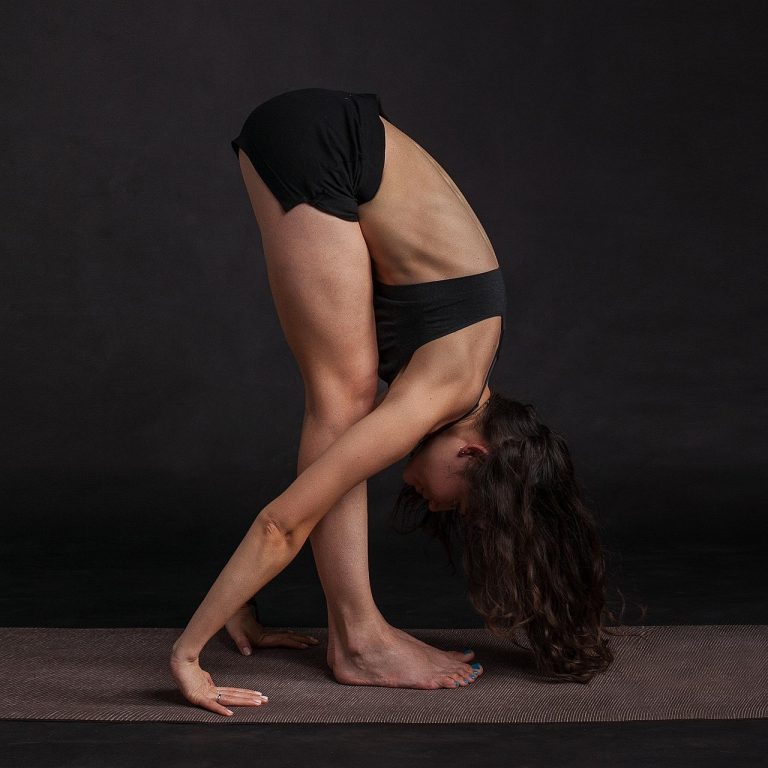
Range of motion, often abbreviated as ROM, is a cornerstone of physical well-being, influencing everything from athletic performance to everyday activities. Understanding what it is, why it’s important, and how to maintain and improve it can significantly enhance your quality of life, prevent injuries, and boost your overall vitality. This comprehensive guide explores the intricacies of range of motion, providing practical insights and actionable steps for improving your joint health.
Understanding Range of Motion
What is Range of Motion?
Range of motion refers to the full movement potential of a joint. It’s the extent to which a joint can move in different directions, typically measured in degrees. A healthy range of motion allows for fluid and pain-free movement, enabling you to perform a wide array of physical tasks without restriction.
Consider the shoulder joint, one of the most mobile in the body. It can move forward (flexion), backward (extension), outward (abduction), inward (adduction), and rotate internally and externally. The degree to which you can perform each of these movements defines your shoulder’s range of motion.
Types of Range of Motion
There are two primary types of range of motion:
- Active Range of Motion (AROM): This is the movement a person can achieve independently using their own muscles. For example, lifting your arm overhead without assistance is an example of active range of motion. Limitations in AROM can indicate muscle weakness, pain, or neuromuscular issues.
- Passive Range of Motion (PROM): This refers to the movement achieved by an external force, such as a therapist or device, without the person’s active muscle engagement. If a physical therapist gently lifts your arm overhead while you relax, they are assessing your passive range of motion. Differences between AROM and PROM can suggest problems with the joint structure itself, rather than simply muscle weakness.
Factors Affecting Range of Motion
Several factors can influence your range of motion, including:
- Age: As we age, joints can stiffen due to changes in cartilage, ligaments, and tendons, leading to decreased flexibility. Studies show that ROM tends to decline with age, particularly in the spine and lower extremities.
- Genetics: Some individuals are naturally more flexible than others due to their genetic makeup. Genetic factors influence the structure and elasticity of connective tissues.
- Injury: Injuries like sprains, strains, or fractures can temporarily or permanently restrict joint movement. Scar tissue formation and inflammation can also limit ROM.
- Activity Level: A sedentary lifestyle can lead to muscle tightness and joint stiffness, whereas regular physical activity helps maintain and improve flexibility.
- Medical Conditions: Conditions like arthritis, osteoarthritis, and rheumatoid arthritis can cause inflammation and damage to joints, severely limiting range of motion.
Why is Range of Motion Important?
Benefits of Good Range of Motion
Maintaining a healthy range of motion offers numerous benefits:
- Improved Physical Performance: Adequate ROM allows for more efficient and powerful movements in sports and other physical activities. A baseball pitcher with good shoulder ROM, for example, can generate more velocity and reduce the risk of injury.
- Reduced Risk of Injury: Flexible joints are less susceptible to strains, sprains, and other injuries. Greater ROM allows your body to adapt more easily to unexpected movements and forces.
- Enhanced Daily Function: Good range of motion makes everyday tasks like reaching, bending, and lifting easier and more comfortable. Imagine trying to tie your shoes with limited hip flexion.
- Pain Reduction: Improved joint mobility can alleviate pain caused by stiffness or muscle imbalances. For example, stretching tight hamstrings can reduce lower back pain.
- Improved Posture: Adequate flexibility allows you to maintain proper posture, reducing strain on your spine and other joints.
- Increased Circulation: Movement improves blood flow to muscles and joints, promoting healing and reducing inflammation.
Consequences of Limited Range of Motion
Conversely, limited range of motion can lead to several negative consequences:
- Increased Risk of Injury: Stiff joints are more prone to injury during physical activity or even routine movements.
- Chronic Pain: Restricted movement can lead to muscle imbalances and chronic pain conditions.
- Reduced Quality of Life: Difficulty performing everyday tasks can significantly impact your independence and overall well-being.
- Muscle Weakness: Limited ROM can contribute to muscle atrophy (weakening) due to disuse.
- Joint Degeneration: Over time, restricted movement can accelerate the degeneration of cartilage and other joint tissues, leading to osteoarthritis.
Assessing Your Range of Motion
Self-Assessment Techniques
While a professional evaluation is recommended, you can perform some basic self-assessments to get an idea of your range of motion:
- Shoulder Flexion: Standing tall, try to raise your arms straight overhead. Note if you can reach a full 180 degrees without pain or difficulty.
- Hip Flexion: Lie on your back and bring one knee towards your chest. Observe how far you can bring your knee up before feeling tightness in your hip or lower back.
- Trunk Rotation: Sit on a chair with your feet flat on the floor. Twist your upper body as far as you comfortably can to each side. Note any limitations or pain.
- Hamstring Flexibility: Sit on the floor with your legs extended. Reach towards your toes. Note how far you can reach and any tightness in your hamstrings or lower back.
These are just a few examples, and you can find many more self-assessment techniques online or in books. Remember to listen to your body and stop if you experience any pain.
Professional Evaluation
For a more comprehensive and accurate assessment, consult with a physical therapist or other healthcare professional. They can use specialized tools and techniques to measure your range of motion and identify any underlying issues.
A physical therapist will typically:
- Use a goniometer to precisely measure joint angles.
- Assess your active and passive range of motion.
- Evaluate muscle strength and flexibility.
- Identify any pain or limitations during movement.
- Develop a personalized treatment plan to improve your range of motion.
Improving and Maintaining Range of Motion
Stretching Exercises
Regular stretching is crucial for maintaining and improving range of motion. Incorporate a variety of stretches that target major muscle groups and joints:
- Static Stretching: Holding a stretch for 15-30 seconds. This type is best done after a workout or when muscles are warm. Example: Hamstring stretch by reaching for your toes.
- Dynamic Stretching: Controlled movements through a full range of motion. This type is ideal for warm-ups. Example: Arm circles or leg swings.
- PNF Stretching: Involves contracting and relaxing muscles to achieve a greater range of motion. This is often performed with a partner. Example: Contracting your hamstring against resistance, then relaxing and allowing a partner to gently stretch it further.
Some examples of effective stretches include:
- Shoulder stretches: Cross-body arm stretch, doorway chest stretch.
- Hamstring stretches: Seated hamstring stretch, standing hamstring stretch.
- Hip stretches: Figure-four stretch, butterfly stretch.
- Spinal stretches: Cat-cow stretch, seated twist.
Strengthening Exercises
Strengthening exercises are equally important as they help stabilize joints and support movement through the full range of motion. Weak muscles can limit ROM and increase the risk of injury.
- Focus on exercises that work through a full range of motion. For example, perform squats with a controlled descent to maximize hip and knee flexion.
- Include exercises that target specific muscle imbalances. If you have tight chest muscles and weak upper back muscles, focus on chest stretches and rows.
- Use proper form to avoid injury. If you are unsure about proper form, consult with a physical therapist or certified personal trainer.
Examples of strengthening exercises include:
- Shoulder exercises: Rows, lateral raises, front raises.
- Leg exercises: Squats, lunges, hamstring curls.
- Core exercises: Planks, crunches, Russian twists.
Other Helpful Techniques
In addition to stretching and strengthening, other techniques can help improve and maintain range of motion:
- Foam Rolling: Self-massage technique that can release muscle tension and improve flexibility.
- Yoga and Pilates: These practices incorporate stretching, strengthening, and balance exercises that can enhance range of motion.
- Massage Therapy: Can help release muscle tension and improve blood flow to joints, promoting flexibility.
- Heat and Cold Therapy: Applying heat can relax muscles and improve blood flow, while cold can reduce inflammation and pain.
Conclusion
Maintaining good range of motion is essential for a healthy, active, and pain-free life. By understanding the factors that influence ROM, performing regular assessments, and incorporating stretching, strengthening, and other helpful techniques into your routine, you can significantly improve your joint health and overall well-being. Remember to listen to your body, seek professional guidance when needed, and make range of motion a priority in your fitness and wellness journey.