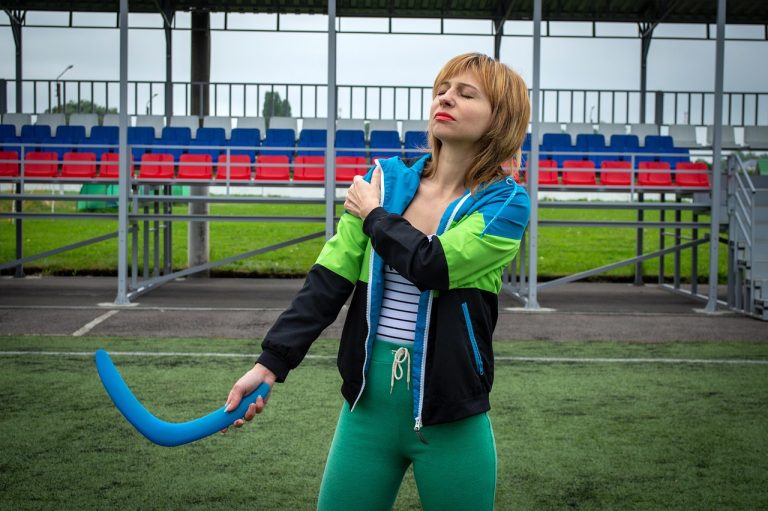
Movement is fundamental to our daily lives, and when injury or intense exertion hinders that movement, the focus shifts to movement recovery. Whether you’re an athlete pushing your limits, recovering from surgery, or simply experiencing age-related mobility changes, understanding the principles of movement recovery can significantly improve your outcomes and get you back to feeling your best. This comprehensive guide explores the multifaceted world of movement recovery, providing practical strategies and insights to help you regain your optimal physical function.
Understanding Movement Recovery
What is Movement Recovery?
Movement recovery encompasses the processes and strategies used to restore optimal physical function after injury, surgery, or periods of inactivity. It’s not just about healing; it’s about retraining the body and brain to work together efficiently. The goal is to regain lost range of motion, strength, coordination, and overall function to return to daily activities and desired performance levels.
Why is Movement Recovery Important?
Effective movement recovery is crucial for several reasons:
- Reduces Pain: Proper recovery strategies minimize pain and discomfort associated with injuries or surgeries.
- Restores Function: It helps individuals regain the ability to perform daily tasks, participate in recreational activities, and maintain independence.
- Prevents Re-injury: Addressing underlying weaknesses and imbalances reduces the risk of recurring injuries.
- Improves Performance: Athletes can enhance their performance by optimizing movement patterns and preventing overtraining.
- Enhances Quality of Life: Restoring movement allows individuals to live fuller, more active lives.
Factors Influencing Movement Recovery
Several factors can influence the rate and extent of movement recovery:
- Age: Younger individuals typically recover faster than older adults due to higher levels of tissue regeneration.
- Severity of Injury: The extent of tissue damage directly impacts the recovery timeline.
- Pre-existing Conditions: Conditions like diabetes or arthritis can impede healing and recovery.
- Adherence to Rehabilitation: Consistent participation in prescribed exercises and therapies is essential.
- Nutrition: A balanced diet provides the necessary nutrients for tissue repair and energy production.
- Sleep: Adequate sleep allows the body to repair and rebuild damaged tissues.
- Psychological Factors: Positive attitude, motivation, and stress management can improve recovery outcomes.
Strategies for Effective Movement Recovery
Rest and Protection
- Rest: In the initial stages of recovery, resting the injured area is crucial to allow tissues to heal.
- Protection: Use supportive devices like braces, splints, or crutches to protect the injured area from further damage.
- RICE Protocol: Follow the RICE (Rest, Ice, Compression, Elevation) protocol in the acute phase of injury to reduce pain and inflammation.
Example: For an ankle sprain, rest the ankle, apply ice packs for 15-20 minutes several times a day, use a compression bandage, and elevate the leg above heart level.
Physical Therapy and Rehabilitation
- Assessment: A physical therapist will conduct a thorough assessment to identify movement impairments and develop a personalized treatment plan.
- Manual Therapy: Hands-on techniques like massage, joint mobilization, and soft tissue release can improve mobility and reduce pain.
- Therapeutic Exercises: Targeted exercises are prescribed to restore strength, range of motion, and coordination.
Example: After knee surgery, exercises may include quadriceps sets, hamstring curls, and straight leg raises to strengthen the muscles surrounding the knee joint.
- Proprioceptive Training: Exercises that improve balance and body awareness are crucial for regaining stability and preventing re-injury.
- Modalities: Physical therapists may use modalities like ultrasound, electrical stimulation, or heat/cold therapy to reduce pain and inflammation.
Exercise and Movement Retraining
- Progressive Overload: Gradually increasing the intensity, duration, or frequency of exercises is essential for building strength and endurance.
- Movement Pattern Correction: Focusing on proper form and technique during exercises helps to retrain movement patterns and prevent compensatory movements.
Example: During squats, ensure that the knees track over the toes and the back remains straight to avoid placing excessive stress on the knee joints.
- Functional Exercises: Incorporating exercises that mimic daily activities helps to improve functional performance.
Example: Performing step-ups to simulate climbing stairs or lifting boxes to simulate carrying groceries.
- Cross-Training: Engaging in activities that work different muscle groups can help to maintain overall fitness and prevent overuse injuries.
Nutrition and Hydration
- Protein: Consuming adequate protein is essential for tissue repair and muscle growth. Aim for 0.8-1 gram of protein per pound of body weight.
- Anti-Inflammatory Foods: Incorporating foods rich in antioxidants and omega-3 fatty acids can help to reduce inflammation.
Examples: Berries, leafy greens, fatty fish, nuts, and seeds.
- Hydration: Staying adequately hydrated is crucial for overall health and tissue repair. Aim to drink at least eight glasses of water per day.
- Supplementation: Consider supplementing with vitamins and minerals that support tissue healing, such as vitamin C, vitamin D, and zinc. Consult with a healthcare professional before starting any new supplements.
Mind-Body Techniques
- Mindfulness: Practicing mindfulness can help to reduce stress, improve focus, and enhance body awareness.
- Meditation: Meditation can promote relaxation and reduce pain perception. Studies have shown that mindfulness meditation reduces pain by 57% and unpleasantness by 40% (Source: Journal of Neuroscience*).
- Yoga: Yoga combines physical postures, breathing techniques, and meditation to improve flexibility, strength, and balance.
- Tai Chi: This gentle exercise involves slow, flowing movements that improve balance, coordination, and flexibility.
- Visualization: Using mental imagery to visualize successful movement can help to improve motor control and performance.
Common Movement Recovery Challenges
Pain Management
- Acute Pain: Managing acute pain with medication, ice, and rest is essential for allowing the body to heal.
- Chronic Pain: Chronic pain can be debilitating and require a multidisciplinary approach involving medication, physical therapy, and psychological interventions.
- Pain Catastrophizing: Addressing negative thoughts and beliefs about pain can help to reduce pain perception and improve coping strategies.
Range of Motion Limitations
- Stiffness: Stiffness can occur after injury or surgery due to scar tissue formation and muscle guarding.
- Contractures: Prolonged immobilization can lead to muscle shortening and contractures.
- Manual Therapy: Manual therapy techniques like joint mobilization and soft tissue release can help to improve range of motion.
- Stretching Exercises: Regular stretching exercises are essential for maintaining and improving flexibility.
Muscle Weakness
- Muscle Atrophy: Muscle atrophy can occur after injury or surgery due to disuse.
- Strength Training: Progressive strength training exercises are essential for rebuilding muscle strength.
- Neuromuscular Re-education: Retraining the nervous system to activate muscles properly is crucial for restoring functional strength.
Psychological Barriers
- Fear of Movement: Fear of re-injury can lead to avoidance of movement and delayed recovery.
- Anxiety and Depression: Pain and disability can contribute to anxiety and depression, which can further impair recovery.
- Cognitive Behavioral Therapy (CBT): CBT can help to address negative thoughts and behaviors that interfere with recovery.
- Social Support: Having a strong support system can provide encouragement and motivation throughout the recovery process.
Conclusion
Movement recovery is a dynamic and individualized process. By understanding the underlying principles, implementing effective strategies, and addressing potential challenges, you can significantly improve your chances of a successful recovery and return to your desired level of function. Remember to consult with healthcare professionals to develop a personalized recovery plan that meets your specific needs. Prioritizing rest, proper nutrition, targeted exercise, and mind-body techniques will empower you to regain your movement and enhance your overall well-being.