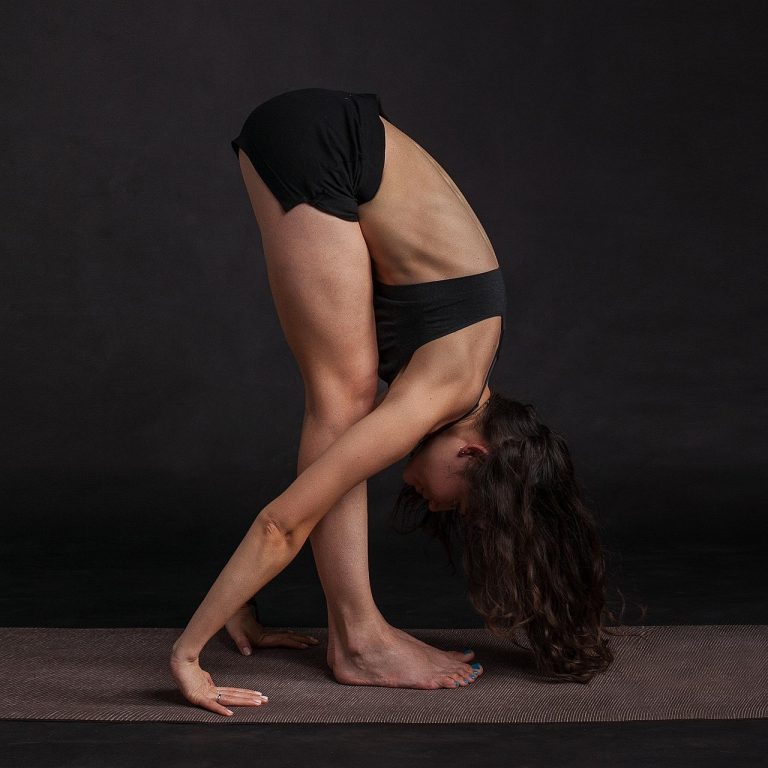
Injury prevention is crucial, whether you’re an elite athlete, a weekend warrior, or simply trying to maintain a healthy lifestyle. Incorporating regular stretching into your routine can significantly reduce your risk of strains, sprains, and other common injuries. Stretching improves flexibility, increases range of motion, and enhances blood flow to muscles, all contributing to a body that’s more resilient and less prone to injury. Let’s dive into the world of injury prevention stretches.
Understanding the Importance of Stretching for Injury Prevention
Stretching is often overlooked, but it plays a vital role in maintaining a healthy and functional body. It’s not just about touching your toes; it’s about preparing your muscles for activity and helping them recover afterward.
Why Stretching Works
- Increases Flexibility: Stretching elongates muscles, increasing their flexibility and range of motion. This allows for smoother, more efficient movement and reduces the likelihood of muscle strains.
- Enhances Blood Flow: Stretching promotes circulation, delivering oxygen and nutrients to muscles. This helps them warm up before exercise and recover more quickly afterward.
- Reduces Muscle Tension: Stretching can release built-up tension in muscles, preventing them from becoming tight and stiff, which can lead to injury.
- Improves Posture: Regular stretching can help improve posture by lengthening tight muscles that pull the body out of alignment.
Statistics on Injury Prevention Through Stretching
Studies show that athletes who incorporate regular stretching into their training programs experience a lower incidence of muscle strains and other soft tissue injuries. For example, a study published in the Journal of Athletic Training found that stretching programs reduced the risk of hamstring strains in athletes by up to 54%. Furthermore, research indicates that flexibility training can improve athletic performance by enhancing power, speed, and agility. While individual results may vary, the evidence strongly suggests that stretching is a valuable tool for injury prevention.
Types of Stretches for Injury Prevention
There are several types of stretches, each with its own benefits and applications. Choosing the right type of stretch depends on your individual needs and goals.
Static Stretching
Static stretching involves holding a stretch for a prolonged period, typically 15-30 seconds. This type of stretching is best performed after exercise when muscles are already warm.
- Example: Hamstring stretch – Sit on the floor with your legs extended. Reach forward and touch your toes (or as far as you comfortably can) and hold for 30 seconds.
- Benefits: Improves flexibility and range of motion, reduces muscle tension, and promotes relaxation.
- Caution: Avoid bouncing or forcing the stretch. Stop if you feel any pain.
Dynamic Stretching
Dynamic stretching involves moving through a range of motion, gradually increasing the stretch with each repetition. This type of stretching is ideal for warming up muscles before exercise.
- Example: Arm circles – Stand with your feet shoulder-width apart and rotate your arms in large circles, both forward and backward.
- Benefits: Increases blood flow, improves joint mobility, and prepares muscles for activity.
- Caution: Perform movements in a controlled manner. Avoid jerky or ballistic motions.
Proprioceptive Neuromuscular Facilitation (PNF) Stretching
PNF stretching involves contracting and relaxing the muscle being stretched, often with the assistance of a partner. This technique can significantly improve flexibility.
- Example: Hamstring PNF stretch – Lie on your back with one leg extended in the air. Have a partner gently push your leg further into the stretch while you resist for 5-10 seconds. Then, relax and allow your partner to push your leg further.
- Benefits: Increases flexibility, improves muscle strength, and enhances neuromuscular control.
- Caution: PNF stretching should be performed under the guidance of a qualified professional to avoid injury.
Key Stretches for Common Injury Prone Areas
Targeting specific muscle groups that are prone to injury can significantly reduce your risk of strains and sprains. Here are some key stretches for common areas:
Lower Back
- Cat-Cow Stretch: Get on your hands and knees. Alternate between arching your back like a cat and dropping your belly toward the floor like a cow.
Benefits: Improves spinal mobility, reduces back pain, and stretches the abdominal muscles.
- Knee-to-Chest Stretch: Lie on your back and pull one knee towards your chest, holding for 30 seconds. Repeat with the other leg.
Benefits: Stretches the lower back and hip flexors, relieving tension in the lower back.
Hamstrings
- Standing Hamstring Stretch: Place one foot on a slightly elevated surface and lean forward, keeping your back straight.
Benefits: Improves hamstring flexibility, reduces the risk of hamstring strains.
- Seated Hamstring Stretch: Sit on the floor with legs extended. Reach towards your toes, keeping your back straight as much as possible.
Benefits: Similar to the standing hamstring stretch, targeting the hamstrings for increased flexibility.
Shoulders
- Cross-Body Shoulder Stretch: Bring one arm across your body and use the other arm to gently pull it closer.
Benefits: Stretches the shoulder muscles, improving range of motion and reducing shoulder pain.
- Overhead Triceps Stretch: Reach one arm overhead and bend your elbow, reaching your hand towards your upper back. Use your other hand to gently pull your elbow further.
Benefits: Stretches the triceps and shoulder muscles, increasing flexibility.
Calves
- Gastrocnemius Stretch (Straight Leg): Lean against a wall with one leg straight behind you and your heel on the ground.
Benefits: Stretches the gastrocnemius muscle in the calf.
- Soleus Stretch (Bent Leg): Similar to the gastrocnemius stretch, but bend your back knee.
Benefits: Stretches the soleus muscle in the calf, which is located beneath the gastrocnemius.
Incorporating Stretching into Your Daily Routine
Consistency is key when it comes to stretching. Make stretching a regular part of your daily routine to reap its full benefits.
Warming Up Before Exercise
- Dynamic stretches are the best choice for warming up. Include arm circles, leg swings, torso twists, and walking lunges.
- Perform each stretch for 10-15 repetitions, focusing on controlled movements.
- Aim to increase your heart rate and blood flow to prepare your muscles for activity.
Cooling Down After Exercise
- Static stretches are ideal for cooling down. Hold each stretch for 15-30 seconds.
- Focus on stretching the muscles you used during your workout.
- Take deep breaths and relax into each stretch.
Tips for Successful Stretching
- Listen to your body: Stop if you feel any pain.
- Breathe deeply: Proper breathing helps to relax muscles and deepen the stretch.
- Stay consistent: Make stretching a regular part of your routine.
- Consult a professional: If you have any injuries or concerns, consult a physical therapist or certified trainer for guidance.
Common Stretching Mistakes to Avoid
Avoiding common stretching mistakes can help you prevent injury and maximize the benefits of your stretching routine.
Bouncing
- Why it’s bad: Bouncing can trigger the stretch reflex, causing muscles to contract rather than relax.
- What to do instead: Hold static stretches in a steady, controlled manner.
Holding Your Breath
- Why it’s bad: Holding your breath can increase blood pressure and muscle tension.
- What to do instead: Breathe deeply and evenly throughout the stretch.
Stretching Cold Muscles
- Why it’s bad: Stretching cold muscles can increase the risk of injury.
- What to do instead: Warm up your muscles before stretching with light cardio or dynamic stretches.
Overstretching
- Why it’s bad: Overstretching can strain muscles and ligaments.
- What to do instead: Stretch to the point of mild tension, not pain.
Conclusion
Incorporating injury prevention stretches into your routine is a powerful way to protect your body and enhance your overall well-being. By understanding the different types of stretches, targeting key muscle groups, and avoiding common mistakes, you can significantly reduce your risk of injuries and enjoy a more active and healthy lifestyle. Remember to listen to your body, stay consistent, and consult a professional if needed. Make stretching a priority, and your body will thank you for it.