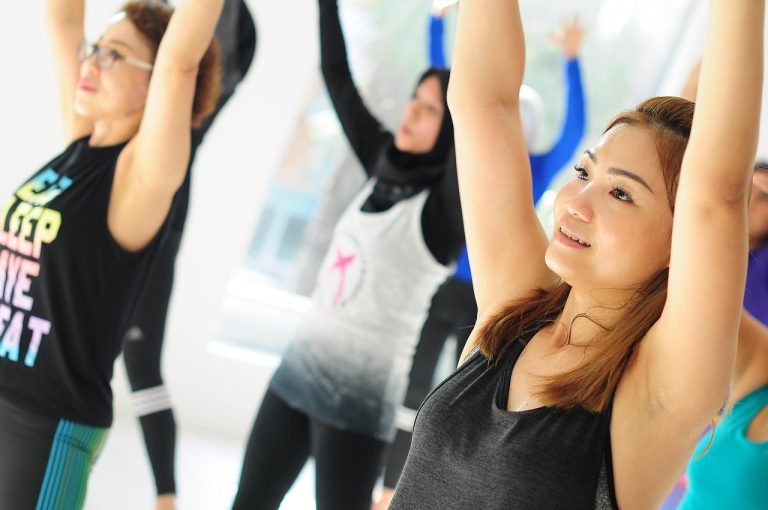
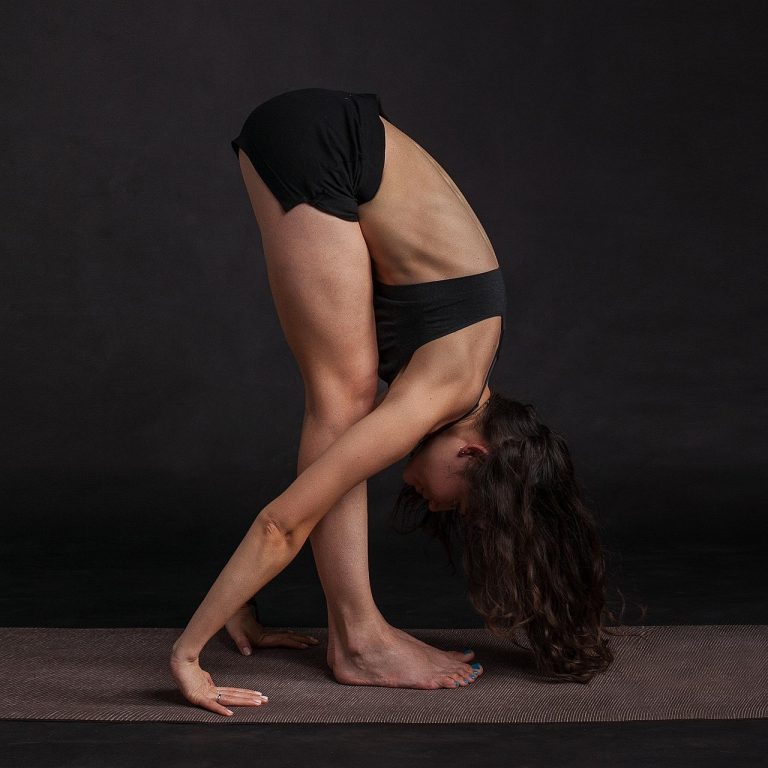
Good posture is more than just standing up straight; it’s about training your body to stand, walk, sit, and lie in positions where the least strain is placed on supporting muscles and ligaments during movement and weight-bearing activities. Poor posture, on the other hand, can lead to a cascade of problems, including back pain, neck stiffness, headaches, and even digestive issues. Fortunately, adopting a few simple posture exercises into your daily routine can make a world of difference. This guide will walk you through effective exercises to improve your posture and overall well-being.
Understanding Posture and Its Importance
What is Good Posture?
Good posture involves maintaining the natural curves of your spine. When standing, your ears, shoulders, hips, knees, and ankles should align. While sitting, you should maintain a similar alignment with your feet flat on the floor or supported. Good posture is not about forcing yourself into an unnatural or uncomfortable position; it’s about balance and minimizing strain.
- Neutral Spine: Maintaining the natural curves of your spine.
- Alignment: Ears, shoulders, hips, knees, and ankles aligned.
- Balance: Distributing weight evenly.
Why is Good Posture Important?
The benefits of good posture extend far beyond aesthetics. Proper alignment impacts everything from breathing to digestion. Here’s why it matters:
- Reduces Pain: Prevents back pain, neck pain, and headaches.
- Improves Breathing: Allows for full lung expansion.
- Boosts Energy Levels: Reduces muscle fatigue and conserves energy.
- Enhances Digestion: Prevents compression of abdominal organs.
- Increases Confidence: Projecting a confident stance can improve self-esteem.
- Decreases Risk of Injury: Reduces strain on joints and ligaments, minimizing the risk of injuries.
Studies have shown that individuals with better posture report higher energy levels and reduced stress compared to those with poor posture. A study published in the Journal of Physical Therapy Science found a significant correlation between posture and respiratory function.
Common Causes of Poor Posture
Understanding the root causes of poor posture can help you tailor your approach to fixing it. Common culprits include:
- Sedentary Lifestyle: Spending too much time sitting at a desk or driving.
- Technology Use: Slouching while using smartphones and computers.
- Weak Core Muscles: Insufficient support for the spine.
- Poor Ergonomics: An improperly set up workspace.
- Repetitive Movements: Performing the same motions repeatedly without proper form.
Effective Posture Exercises
Chin Tucks
The chin tuck is a simple yet effective exercise for correcting forward head posture, which is often caused by prolonged screen time.
- How to do it: Sit or stand tall with your shoulders relaxed. Gently draw your chin back, as if making a double chin. Hold for 3-5 seconds and repeat 10-15 times.
- Benefits: Strengthens the deep neck muscles and improves cervical spine alignment.
- Tip: Ensure you are not tilting your head down or up during the exercise. Keep your eyes looking straight ahead.
Shoulder Blade Squeezes
This exercise strengthens the muscles between your shoulder blades, which helps to pull your shoulders back and improve upper body posture.
- How to do it: Sit or stand with your arms at your sides. Squeeze your shoulder blades together, as if trying to hold a pencil between them. Hold for 3-5 seconds and repeat 10-15 times.
- Benefits: Strengthens the rhomboids and trapezius muscles, correcting rounded shoulders.
- Tip: Focus on squeezing your shoulder blades together, rather than just shrugging your shoulders up.
Chest Stretches (Doorway Stretch)
Tight chest muscles can contribute to rounded shoulders. This stretch helps to open up the chest and improve shoulder alignment.
- How to do it: Stand in a doorway with your arms bent at a 90-degree angle, resting your forearms on the doorframe. Gently lean forward until you feel a stretch in your chest. Hold for 20-30 seconds and repeat 2-3 times.
- Benefits: Stretches the pectoral muscles, promoting better shoulder alignment and relieving tightness.
- Tip: Avoid overstretching. You should feel a gentle stretch, not pain.
Pelvic Tilts
Pelvic tilts help to strengthen your core muscles and improve the alignment of your pelvis, which can impact your entire posture.
- How to do it: Lie on your back with your knees bent and feet flat on the floor. Gently tilt your pelvis up, tightening your abdominal muscles and flattening your lower back against the floor. Hold for 3-5 seconds, then relax. Repeat 10-15 times.
- Benefits: Strengthens the core muscles and improves pelvic alignment, reducing lower back strain.
- Tip: Focus on using your abdominal muscles to control the movement, rather than your glutes.
Integrating Posture Exercises into Your Daily Routine
Creating a Schedule
Consistency is key to improving your posture. Set aside a specific time each day to perform your posture exercises. Even 10-15 minutes a day can make a significant difference.
- Morning Routine: Start your day with a quick set of posture exercises to set a positive tone for the day.
- Work Breaks: Take short breaks throughout the day to perform exercises like chin tucks and shoulder blade squeezes.
- Evening Routine: Wind down with stretches like the doorway stretch to relieve tension.
Ergonomic Adjustments
In addition to exercises, making ergonomic adjustments to your workspace can help to support good posture throughout the day.
- Chair Height: Adjust your chair so that your feet are flat on the floor and your knees are bent at a 90-degree angle.
- Monitor Position: Position your monitor at eye level to prevent neck strain.
- Keyboard and Mouse Placement: Place your keyboard and mouse close to your body to avoid reaching and straining your shoulders.
- Standing Desk: Consider using a standing desk to reduce the amount of time you spend sitting.
Mindful Movement
Being mindful of your posture throughout the day can also help to improve it.
- Standing: When standing, distribute your weight evenly on both feet and keep your shoulders relaxed.
- Sitting: When sitting, sit up straight with your back supported by the chair and your feet flat on the floor.
- Walking: When walking, keep your head up, your shoulders relaxed, and your core engaged.
Other Helpful Strategies
Yoga and Pilates
Yoga and Pilates are excellent for improving posture because they focus on strengthening core muscles and increasing flexibility. Specific poses like mountain pose (Tadasana) in yoga and the plank in Pilates are beneficial for postural alignment.
- Yoga Benefits: Improves flexibility, balance, and body awareness.
- Pilates Benefits: Strengthens core muscles and improves spinal alignment.
Regular Stretching
Regular stretching helps to loosen tight muscles and improve flexibility, which can contribute to better posture. Focus on stretching your chest, shoulders, hips, and back.
- Hamstring Stretches: Relieves tension in the back of the legs.
- Hip Flexor Stretches: Improves pelvic alignment and reduces lower back pain.
Professional Help
If you are experiencing chronic pain or have difficulty improving your posture on your own, consider seeking professional help. Physical therapists, chiropractors, and certified posture specialists can assess your posture and provide personalized treatment plans.
- Physical Therapy: Provides targeted exercises and stretches to address specific postural issues.
- Chiropractic Care: Focuses on spinal alignment and joint mobility.
Conclusion
Improving your posture is a journey that requires consistent effort and awareness. By incorporating the exercises and strategies outlined in this guide into your daily routine, you can improve your alignment, reduce pain, boost energy levels, and enhance your overall well-being. Remember to start slowly, listen to your body, and seek professional help if needed. A little effort each day can lead to significant improvements in your posture and quality of life.