Physical Address
304 North Cardinal St.
Dorchester Center, MA 02124
Physical Address
304 North Cardinal St.
Dorchester Center, MA 02124


The day is done, the stress of work or daily activities has taken its toll, and all you crave is relaxation. But before you sink into the couch, consider incorporating a few gentle evening stretches into your routine. These simple movements can significantly improve your sleep quality, reduce muscle tension, and prepare your body for a restful night. Integrating evening stretches is an investment in your overall well-being, setting you up for a refreshed and energized tomorrow.
Evening stretches offer a multitude of benefits that extend beyond mere relaxation. Taking just 10-15 minutes to stretch before bed can make a remarkable difference in your physical and mental state.
Studies have shown that incorporating stretching into your evening routine can lead to improved sleep quality. A study published in the “Journal of Strength and Conditioning Research” found that stretching improved sleep efficiency and reduced sleep latency (the time it takes to fall asleep). This is likely due to the calming effect stretching has on the nervous system.
Throughout the day, muscles can become tight and strained from prolonged sitting, repetitive movements, or physical activity. Evening stretches help to release this tension and alleviate soreness.
Stretching has a positive impact on mental well-being by reducing stress and promoting relaxation. It can be a form of mindfulness, allowing you to connect with your body and release pent-up emotions.
The best evening stretches are gentle and focused on relaxation rather than intense muscle lengthening. Focus on slow, controlled movements and deep breathing.
Neck tension is a common problem, especially after a long day at a desk. Seated neck rolls help to release this tension and improve neck mobility.
Shoulder rolls are an excellent way to release tension in the upper back and shoulders.
The cat-cow stretch is a gentle and effective way to improve spinal mobility and relieve back pain.
A seated spinal twist can help release tension in the back and improve flexibility.
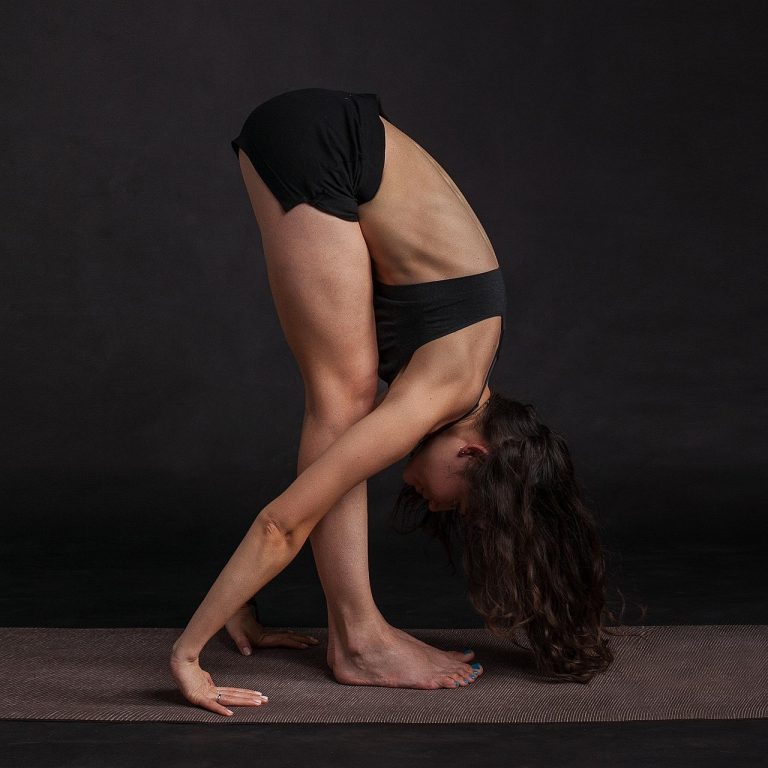
Tight hamstrings can contribute to lower back pain and stiffness. A gentle hamstring stretch can help alleviate these issues.
Consistency is key to experiencing the benefits of evening stretches. Here’s how to create a routine that works for you:
Choose a time that fits into your schedule and stick with it. Even 10 minutes of stretching each night is better than sporadic longer sessions.
Create a relaxing environment to enhance the benefits of your stretching routine. A calm and quiet space will help you unwind and focus on your body.
Pay attention to your body’s signals and avoid pushing yourself too hard. Stretching should feel gentle and relaxing, not painful.
While evening stretches are generally safe, it’s important to take certain precautions to avoid injury.
A light warm-up can help prepare your muscles for stretching, reducing the risk of injury. This could involve gentle arm circles, leg swings, or a few minutes of light cardio, like walking in place.
Maintaining proper form is crucial to prevent strain and maximize the benefits of each stretch. If you’re unsure about the correct form, consider watching instructional videos or consulting with a qualified instructor.
Overstretching can lead to muscle tears and other injuries. Stretch to the point of mild tension, but not pain. Hold each stretch for the recommended duration and avoid bouncing or jerking movements.
Incorporating evening stretches into your daily routine is a simple yet powerful way to improve your sleep quality, reduce muscle tension, and enhance your overall well-being. By making stretching a consistent habit, you can experience significant improvements in your physical and mental health. Remember to listen to your body, create a relaxing environment, and focus on gentle, controlled movements. Start with just a few minutes each night and gradually increase the duration and complexity of your stretches as you become more comfortable. Sweet dreams and a refreshed morning await!