Physical Address
304 North Cardinal St.
Dorchester Center, MA 02124
Physical Address
304 North Cardinal St.
Dorchester Center, MA 02124


After crushing a workout, your muscles are pumped, endorphins are flowing, and you’re riding high. But what you do in the moments immediately following your sweat session is just as crucial as the workout itself. Don’t skip the cool-down! A proper post-workout stretch routine is essential for recovery, flexibility, and overall well-being. Let’s dive into why stretching after exercise is so important and how to do it right.
Stretching after a workout often gets overlooked, but it’s a game-changer for your body. Neglecting this crucial step can lead to stiffness, soreness, and even increase your risk of injury. A post-workout stretch helps to mitigate these negative effects and optimize your recovery.
During exercise, your muscles contract repeatedly. This repeated contraction can lead to muscle fibers shortening and tightening. Stretching helps to lengthen these fibers back to their normal resting length, preventing stiffness and improving flexibility. Furthermore, stretching triggers the Golgi tendon organs, sensory receptors in your muscles and tendons, which signal the muscle to relax, further enhancing flexibility.
Not all stretches are created equal. The best type of stretch for post-workout recovery is static stretching.
Static stretching involves holding a stretch in a stationary position for a period of time, typically 15-30 seconds. This type of stretching is ideal for post-workout recovery as it helps to lengthen muscles without causing excessive strain.
Dynamic stretching involves controlled movements that gradually increase your range of motion. While dynamic stretching is great for pre-workout warm-ups, it is generally not recommended immediately after a workout. Dynamic movements could potentially stress fatigued muscles.
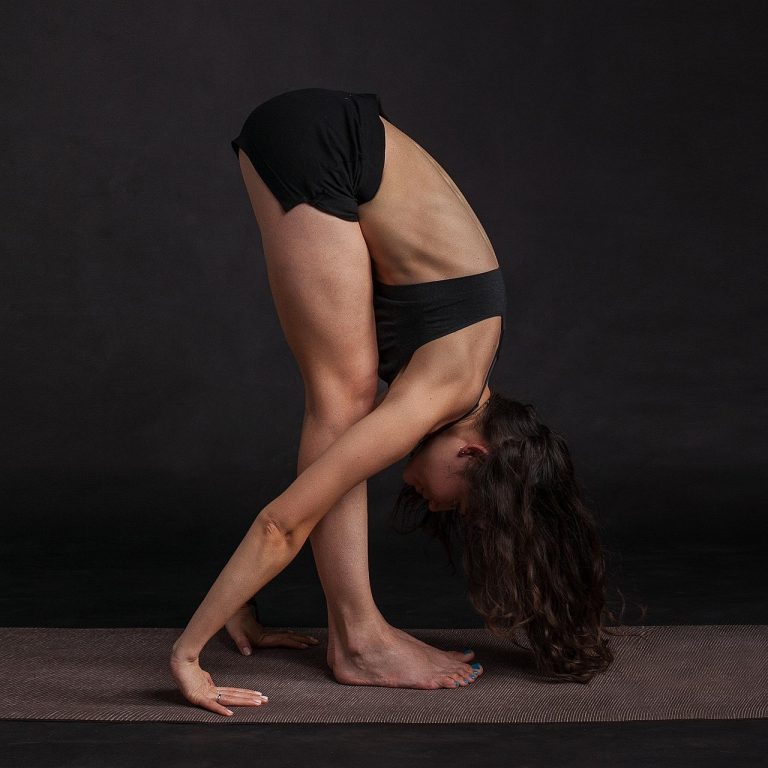
Here’s a sample routine you can use after most workouts. Remember to listen to your body and adjust the stretches as needed. Aim to hold each stretch for 20-30 seconds, focusing on deep, controlled breaths.
To maximize the benefits of post-workout stretching and minimize the risk of injury, avoid these common mistakes:
Bouncing during a stretch can trigger a muscle contraction, which can actually tighten the muscle and increase your risk of injury.
Holding your breath restricts blood flow and prevents your muscles from relaxing. Focus on deep, controlled breathing throughout each stretch.
Don’t push yourself too hard or force a stretch. You should feel a mild tension, but not pain. Overstretching can lead to muscle strains and injuries.
While this blog focuses on post workout stretching, stretching cold muscles can increase the risk of injury. Always warm up your muscles with light activity before stretching. This is why static stretching is usually better after a workout, not before.
Incorporating post-workout stretching into your fitness routine is a vital step towards optimizing recovery, improving flexibility, and reducing your risk of injury. By understanding the benefits of stretching, utilizing effective stretching techniques, and avoiding common mistakes, you can enhance your overall fitness journey and achieve your goals more effectively. So, take a few extra minutes after your next workout to stretch it out – your body will thank you!