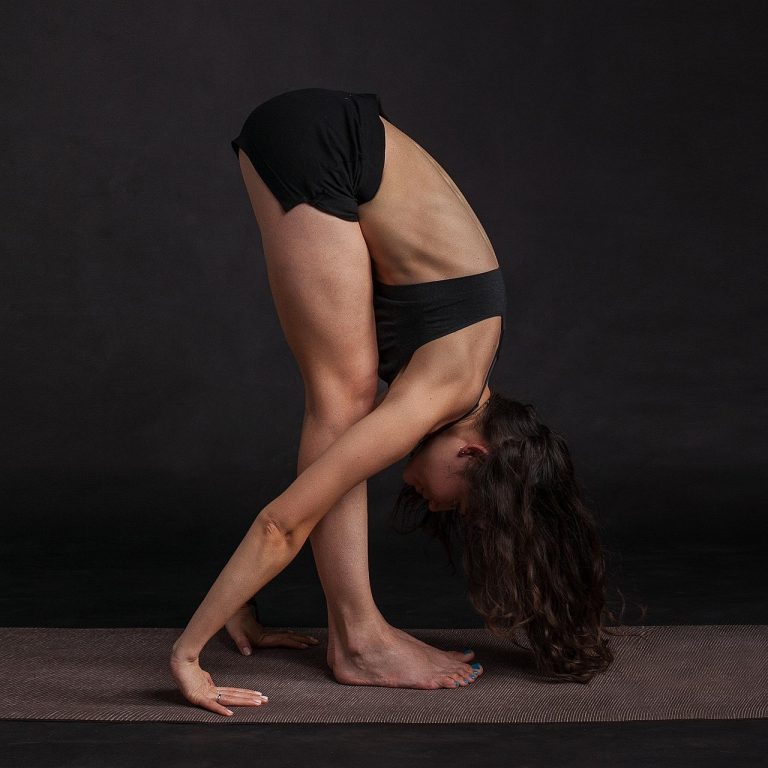
Staying active and pursuing your fitness goals is fantastic, but neglecting injury prevention can quickly derail your progress. Incorporating a targeted stretching routine into your workout regime isn’t just about flexibility; it’s a proactive measure to protect your muscles, joints, and overall well-being. This blog post will delve into the world of injury prevention stretches, providing you with the knowledge and tools to build a resilient body that can withstand the demands of your chosen activities.
Understanding the Importance of Injury Prevention Stretches
The Role of Stretching in Injury Prevention
Stretching plays a crucial role in preparing your body for physical activity and promoting recovery afterward. It helps improve:
- Flexibility and Range of Motion: Stretching increases the elasticity of muscles and connective tissues, allowing for a greater range of motion in your joints. This can reduce the risk of muscle strains, sprains, and other injuries.
- Muscle Function: Flexible muscles contract more efficiently, allowing for better power output and coordination during exercise.
- Blood Flow: Stretching increases blood flow to muscles, delivering vital nutrients and oxygen while removing waste products. This aids in recovery and reduces muscle soreness.
- Postural Alignment: Regular stretching can help correct muscle imbalances and improve posture, reducing the risk of chronic pain and injury.
- Reduced Muscle Soreness: Stretching after a workout can help minimize delayed onset muscle soreness (DOMS).
Common Injuries Prevented by Stretching
By incorporating specific stretches into your routine, you can significantly reduce your risk of common injuries such as:
- Muscle strains: Hamstring strains, groin strains, calf strains.
- Sprains: Ankle sprains, wrist sprains.
- Tendonitis: Achilles tendonitis, rotator cuff tendonitis.
- Back pain: Lower back pain due to tight hamstrings and hip flexors.
- Knee pain: Iliotibial (IT) band syndrome, patellofemoral pain syndrome (PFPS).
Dynamic Stretching vs. Static Stretching
Understanding the different types of stretching is crucial for effective injury prevention.
Dynamic Stretching: Pre-Workout Preparation
Dynamic stretching involves controlled, movement-based stretches that gradually increase range of motion and prepare your muscles for activity.
- Purpose: To increase blood flow, warm up muscles, and improve mobility before exercise.
- Examples:
Arm Circles: Small and large circles, forward and backward.
Leg Swings: Forward, backward, and sideways.
Torso Twists: Gentle twisting motions to warm up the core.
Walking Lunges: Engage the glutes, quads and hamstrings while increasing range of motion.
High Knees: Bring knees up toward the chest while walking or jogging.
Butt Kicks: Kick heels up towards the glutes while walking or jogging.
- Best Time to Perform: Before your workout.
- Important Note: Avoid bouncing or jerky movements. Focus on controlled, smooth motions.
Static Stretching: Post-Workout Recovery
Static stretching involves holding a stretch in a stationary position for a period of time.
- Purpose: To improve flexibility, reduce muscle soreness, and promote relaxation after exercise.
- Examples:
Hamstring Stretch: Sit with legs extended and reach towards your toes.
Quadriceps Stretch: Stand and pull one heel towards your glute, holding the stretch.
Calf Stretch: Lean against a wall with one leg straight behind you, heel on the ground.
Triceps Stretch: Reach one arm overhead and bend at the elbow, reaching towards your upper back.
* Shoulder Stretch: Reach one arm across your body and hold it with the opposite hand.
- Best Time to Perform: After your workout, or on rest days.
- Important Note: Hold each stretch for 15-30 seconds and avoid bouncing. Stretch to the point of mild tension, not pain.
Essential Injury Prevention Stretches for Different Activities
The specific stretches you should incorporate into your routine will depend on the type of activities you participate in.
Stretching for Runners
Runners are particularly susceptible to lower body injuries. Incorporate these stretches:
- Hamstring Stretch: Reduces tightness in the hamstrings, preventing strains and improving hip mobility.
- Quadriceps Stretch: Prevents knee pain and improves flexibility.
- Calf Stretch: Protects against Achilles tendonitis and calf strains.
- Hip Flexor Stretch: Counteracts the shortening of hip flexors from prolonged sitting and running, reducing lower back pain. (Example: Kneeling hip flexor stretch).
- Glute Stretch (Piriformis Stretch): Helps relieve pressure on the sciatic nerve and prevent piriformis syndrome. (Example: Figure four stretch).
Stretching for Weightlifters
Weightlifting requires strength and stability, but also flexibility to maintain proper form and prevent injuries.
- Shoulder Stretch: Improves shoulder mobility and prevents rotator cuff injuries. (Examples: Cross body arm stretch, doorway chest stretch)
- Chest Stretch: Opens up the chest and improves posture, counteracting the rounded shoulder position often associated with weightlifting.
- Triceps Stretch: Improves flexibility in the triceps, important for overhead pressing exercises.
- Lat Stretch: Enhances upper body mobility and helps prevent back pain. (Example: Kneeling lat stretch)
- Wrist Stretch: Reduces risk of carpal tunnel syndrome and wrist pain from repetitive movements.
Stretching for Cyclists
Cycling can lead to tightness in the hamstrings, hip flexors, and lower back.
- Hamstring Stretch: Crucial for cyclists due to the repetitive pedaling motion.
- Quadriceps Stretch: Reduces tightness and prevents knee pain.
- Hip Flexor Stretch: Counteracts the shortened hip flexors from prolonged sitting.
- Lower Back Stretch: Improves flexibility and reduces back pain. (Example: Cat-Cow stretch)
- IT Band Stretch: Prevents IT band syndrome, a common cause of knee pain in cyclists.
Creating a Personalized Stretching Routine
A well-designed stretching routine should be tailored to your specific needs and activities.
Assessing Your Needs
- Identify areas of tightness: Pay attention to areas where you feel stiffness or discomfort.
- Consider your activities: Choose stretches that target the muscles used in your chosen activities.
- Consult with a professional: A physical therapist or certified personal trainer can help you assess your needs and create a customized stretching routine.
Building Your Routine
- Start with a warm-up: Perform a light cardio warm-up (e.g., jogging, jumping jacks) for 5-10 minutes before stretching.
- Incorporate dynamic stretching before exercise: Include 5-10 minutes of dynamic stretches to prepare your muscles for activity.
- Include static stretching after exercise: Hold each static stretch for 15-30 seconds, focusing on areas of tightness.
- Listen to your body: Avoid pushing yourself too hard and stop if you feel any pain.
- Be consistent: Aim to stretch regularly, ideally several times per week.
Progression and Adaptation
- Gradually increase the intensity: As your flexibility improves, you can gradually increase the duration or intensity of your stretches.
- Vary your routine: Change your stretching routine periodically to target different muscles and prevent plateaus.
- Stay consistent: Consistency is key to maintaining flexibility and preventing injuries.
Conclusion
Incorporating injury prevention stretches into your fitness routine is a simple yet powerful way to protect your body and enhance your performance. By understanding the importance of stretching, differentiating between dynamic and static stretches, and tailoring your routine to your specific needs, you can build a resilient body that can withstand the demands of your chosen activities. Remember to listen to your body, stay consistent, and consult with a professional if you have any questions or concerns. Make stretching a non-negotiable part of your fitness journey, and reap the rewards of a healthier, injury-free you.