Feeling stiff? Wishing for a more sculpted physique? You’re not alone! Many people seek methods to improve flexibility, build lean muscle, and enhance their overall well-being. The good news is that combining stretching and toning exercises can be a powerful approach to achieve these goals. This blog post will explore how to effectively incorporate stretching and toning into your routine for optimal results.
Understanding the Benefits of Stretching
Improved Flexibility and Range of Motion
One of the most well-known benefits of stretching is increased flexibility. Regular stretching lengthens muscles, allowing for a greater range of motion in your joints. This can make everyday activities easier and reduce the risk of injury.
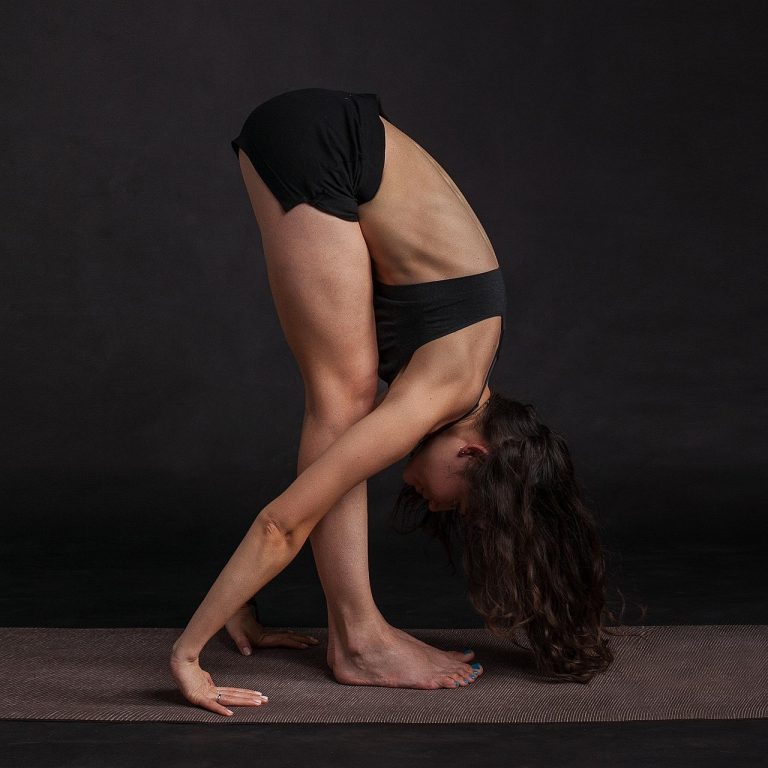
- Practical Example: Touching your toes becomes easier after consistent hamstring stretches.
- Tip: Hold each stretch for at least 30 seconds for optimal results.
Reduced Muscle Soreness
Stretching can help reduce muscle soreness, especially after intense workouts. By improving blood flow to the muscles, stretching aids in the removal of metabolic waste products that contribute to soreness.
- Practical Example: Perform gentle stretches after a weightlifting session to minimize delayed onset muscle soreness (DOMS).
- Tip: Dynamic stretching (e.g., arm circles, leg swings) is great before workouts, while static stretching (e.g., holding a hamstring stretch) is best after.
Enhanced Posture
Poor posture can often be attributed to tight muscles. Stretching can help correct muscle imbalances that lead to poor posture, such as rounded shoulders or a forward head position.
- Practical Example: Chest stretches (e.g., doorway stretch) can help open up the chest and improve rounded shoulders.
- Tip: Focus on stretching muscles that are commonly tight, such as the chest, shoulders, and hip flexors.
Stress Relief
Stretching has a calming effect on the nervous system. It can help reduce tension and stress, promoting relaxation and a sense of well-being.
- Practical Example: Practice deep breathing while holding stretches to further enhance relaxation.
- Tip: Consider incorporating stretching into a mindfulness practice for added stress relief.
The Power of Toning Exercises
Building Lean Muscle Mass
Toning exercises focus on strengthening and defining muscles without necessarily building bulk. They involve controlled movements and resistance to stimulate muscle growth.
- Practical Example: Bodyweight exercises like squats, lunges, and push-ups are excellent toning exercises.
- Tip: Use resistance bands or light weights to increase the intensity of toning exercises.
Improved Metabolism
Building muscle mass, even lean muscle, increases your metabolism. Muscles burn more calories at rest than fat tissue, so toning exercises can help you burn more calories throughout the day.
- Data: Studies have shown that adding just a few pounds of muscle can increase your resting metabolic rate by a significant amount.
- Tip: Focus on compound exercises (exercises that work multiple muscle groups) to maximize calorie burn.
Enhanced Core Strength
Many toning exercises target the core muscles, which are essential for stability, balance, and overall body strength. A strong core can also improve posture and reduce the risk of back pain.
- Practical Example: Planks, crunches, and Russian twists are effective core toning exercises.
- Tip: Engage your core throughout all toning exercises for optimal results.
Increased Bone Density
Weight-bearing toning exercises, such as squats and lunges, can help increase bone density, reducing the risk of osteoporosis.
- Data: Research indicates that regular resistance training can significantly improve bone mineral density, especially in women.
- Tip: Gradually increase the weight or resistance used in your toning exercises to continue challenging your bones.
Combining Stretching and Toning: A Synergistic Approach
Warming Up Before Exercise
Before engaging in toning exercises, it’s crucial to warm up your muscles with dynamic stretches. This prepares your muscles for activity, reducing the risk of injury.
- Practical Example: Perform arm circles, leg swings, and torso twists as part of your warm-up routine.
- Tip: Focus on dynamic stretches that mimic the movements you’ll be performing during your toning exercises.
Cooling Down After Exercise
After toning exercises, cool down with static stretches. This helps to lengthen the muscles, reduce soreness, and improve flexibility.
- Practical Example: Hold hamstring stretches, quad stretches, and calf stretches after your workout.
- Tip: Hold each stretch for at least 30 seconds, focusing on deep breathing.
Integrating Flexibility into Toning Workouts
Incorporate stretches between sets of toning exercises to maintain flexibility and prevent muscle stiffness. This also allows for active recovery.
- Practical Example: Between sets of squats, perform a quad stretch or hip flexor stretch.
- Tip: Choose stretches that target the muscles you’re working during the toning exercises.
Creating a Stretch and Tone Routine
Sample Weekly Schedule
Here’s a sample weekly schedule to effectively integrate stretching and toning exercises:
- Monday: Full-body toning workout (squats, lunges, push-ups, planks) + post-workout static stretching.
- Tuesday: Active recovery with yoga or Pilates, focusing on flexibility and core strength.
- Wednesday: Upper body toning workout (bicep curls, tricep dips, shoulder press) + post-workout static stretching.
- Thursday: Light cardio (walking, jogging) with dynamic stretching before and static stretching after.
- Friday: Lower body toning workout (glute bridges, calf raises, hamstring curls) + post-workout static stretching.
- Saturday: Rest or light activity.
- Sunday: Long, relaxing stretching session, focusing on all major muscle groups.
Important Considerations
- Listen to Your Body: Pay attention to your body’s signals and avoid pushing yourself too hard, especially when starting a new routine.
- Proper Form: Focus on maintaining proper form during toning exercises to prevent injury. If you’re unsure about proper form, consult with a fitness professional.
- Consistency is Key: Aim for consistency to see results. Even short, regular workouts are more effective than infrequent, long workouts.
- Nutrition: Support your efforts with a balanced diet that provides adequate protein for muscle repair and growth.
Conclusion
Combining stretching and toning exercises is a powerful way to improve your flexibility, build lean muscle, enhance your posture, and reduce stress. By incorporating these practices into your routine consistently, you can achieve a healthier, stronger, and more flexible body. Remember to listen to your body, focus on proper form, and maintain a balanced lifestyle for optimal results. Start today and experience the transformative benefits of a well-rounded stretch and tone routine!