Static Stretching: Unlocking Recovery And Performance Potential

Static stretching, a cornerstone of fitness routines for decades, remains a popular choice for improving flexibility and range of motion. But is it right for you? This guide dives deep into the world of static stretching, exploring its benefits, proper techniques, potential risks, and how to incorporate it effectively into your training regimen.

What is Static Stretching?

Definition and Characteristics

Static stretching involves holding a stretch in a stationary position for a specific duration. Unlike dynamic stretching, which incorporates movement, static stretches require you to maintain a pose without bouncing or jerking. The goal is to lengthen the targeted muscle gradually and improve its flexibility.

  • Holding Time: Typically, each static stretch is held for 15-30 seconds.
  • No Movement: The position remains constant during the stretch.
  • Relaxation Focus: The emphasis is on relaxing the muscle being stretched.

How Static Stretching Works

Static stretching primarily impacts muscles and surrounding connective tissues. When you hold a static stretch, the muscle spindles (sensory receptors within the muscle) initially resist the lengthening. However, after a period of sustained stretch, these spindles become less active, allowing the muscle to relax and lengthen. This repeated process over time contributes to increased flexibility.

  • Nervous system adaptation plays a key role.
  • Improved muscle compliance and reduced stiffness are observed.
  • Consistency is crucial for long-term gains in flexibility.

Benefits of Static Stretching

Improved Flexibility and Range of Motion

The most apparent benefit of static stretching is increased flexibility and a wider range of motion in joints. This can lead to improved physical performance and reduced risk of injury.

  • Enhanced athletic performance in activities requiring flexibility.
  • Increased ease in performing everyday tasks.
  • Better posture due to improved muscle balance.

Reduced Muscle Soreness and Tension

Static stretching can help alleviate muscle soreness and tension, particularly after intense workouts. While it doesn’t eliminate delayed-onset muscle soreness (DOMS) entirely, it can provide relief.

  • Promotes blood flow to the stretched muscles, aiding in recovery.
  • Releases muscle knots and trigger points, reducing tension.
  • Can be used as part of a cool-down routine to prevent stiffness.

Stress Reduction and Relaxation

The act of holding a static stretch can be incredibly relaxing. By focusing on your breath and the sensation of the stretch, you can calm your nervous system and reduce stress levels.

  • Activates the parasympathetic nervous system, promoting relaxation.
  • Reduces muscle tension associated with stress and anxiety.
  • Can be incorporated into mindfulness practices for enhanced benefits.

Proper Static Stretching Technique

Warm-Up Before Stretching

It is crucial to warm up your muscles before performing static stretches. Stretching cold muscles can increase the risk of injury. A light cardio activity or dynamic stretching routine can prepare your muscles for static stretches.

  • Examples of warm-up exercises: brisk walking, light jogging, arm circles, leg swings.
  • Warm-up duration: 5-10 minutes.
  • Increased blood flow to muscles improves their elasticity.

Holding the Stretch Correctly

Proper form is essential for maximizing the benefits of static stretching and minimizing the risk of injury. Here are some key principles to follow:

  • Breathe: Breathe deeply and evenly throughout the stretch. Avoid holding your breath.
  • Gentle Tension: Stretch to the point of mild tension, not pain.
  • Hold Time: Hold each stretch for 15-30 seconds.
  • Avoid Bouncing: Refrain from bouncing or jerking movements. This can trigger the stretch reflex and increase the risk of muscle strain.
  • Consistency: Stretch regularly for optimal results. Aim for at least 2-3 times per week.

Example Static Stretches

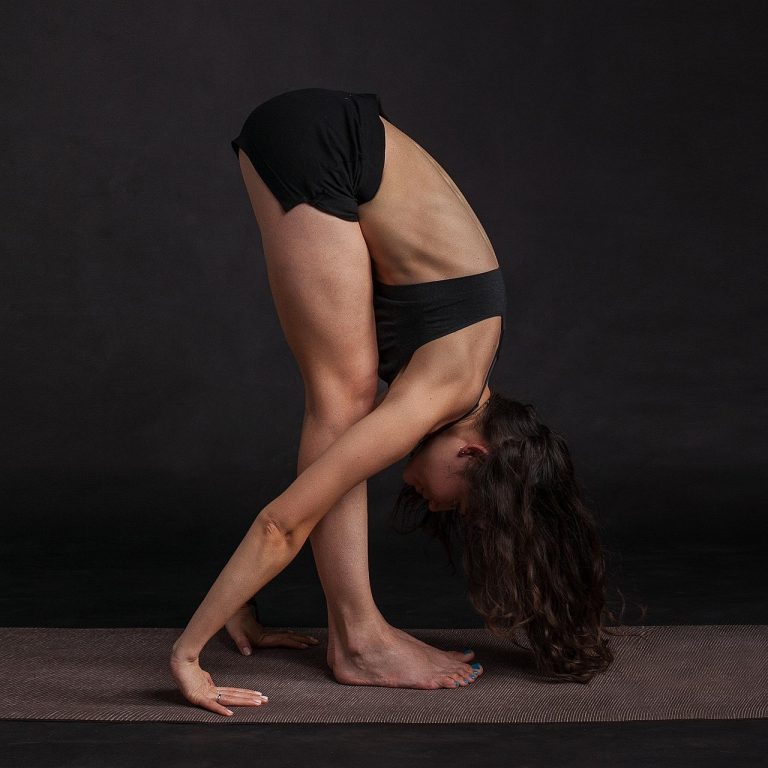
  • Hamstring Stretch: Sit on the floor with legs extended. Reach towards your toes, keeping your back straight as much as possible. Hold for 30 seconds.
  • Quadriceps Stretch: Stand upright and grab your foot, pulling it towards your buttock. Keep your knees close together and hold for 30 seconds.
  • Calf Stretch: Place your hands against a wall, with one leg extended straight back and the other bent forward. Lean into the wall, feeling the stretch in your calf. Hold for 30 seconds.
  • Shoulder Stretch: Reach one arm across your body and use the other arm to gently pull it closer. Hold for 30 seconds.
  • Triceps Stretch: Reach one arm overhead and bend it at the elbow, reaching down your back. Use the other hand to gently pull the elbow further down. Hold for 30 seconds.

When to Perform Static Stretching

Post-Workout Cool-Down

Static stretching is ideally performed as part of a cool-down routine after exercise. This helps reduce muscle stiffness and promotes recovery.

  • After exercise, muscles are warm and more pliable.
  • Helps prevent muscle soreness and stiffness.
  • Can improve long-term flexibility gains.

Separate Stretching Sessions

You can also dedicate separate sessions specifically for stretching. This allows you to focus on improving flexibility without the fatigue of a workout.

  • Ideal for individuals with specific flexibility goals.
  • Can be combined with other relaxation techniques like yoga or meditation.
  • Ensure muscles are adequately warmed up before stretching.

Avoid Before High-Intensity Activities

While traditionally believed to be a good pre-workout practice, static stretching immediately before high-intensity activities is now understood to potentially decrease power and performance. Opt for dynamic stretching before workouts.

  • Static stretching can temporarily reduce muscle force production.
  • Dynamic stretching is more effective for preparing muscles for activity.
  • If static stretching is needed pre-workout, keep it brief and gentle.

Potential Risks and Precautions

Risk of Injury

While generally safe, static stretching can pose a risk of injury if performed incorrectly. Overstretching or stretching cold muscles can lead to muscle strains or tears.

  • Always warm up before stretching.
  • Stretch to the point of mild tension, not pain.
  • Avoid bouncing or jerky movements.

Contraindications

Certain medical conditions may make static stretching inadvisable. Consult with a healthcare professional before starting a stretching program if you have any of the following:

  • Acute muscle injuries or strains.
  • Joint hypermobility or instability.
  • Severe osteoporosis.
  • Inflammatory conditions like rheumatoid arthritis.

Conclusion

Static stretching, when performed correctly and at the appropriate time, offers numerous benefits, including improved flexibility, reduced muscle soreness, and stress reduction. By understanding the principles of static stretching and incorporating it strategically into your fitness routine, you can optimize your performance, prevent injuries, and enhance your overall well-being. Remember to prioritize proper technique, listen to your body, and consult with a healthcare professional if you have any concerns.