Stretching. It’s often relegated to the sidelines of our fitness routines, a quick afterthought before or after a more vigorous workout. But what if we told you that a consistent daily stretching routine could be a game-changer for your overall well-being? Not just for athletes or the already flexible, stretching offers a plethora of benefits for everyone, regardless of age or fitness level. Let’s dive into why incorporating a daily stretching routine is essential and how to build one that suits your needs.
The Undeniable Benefits of Daily Stretching
Stretching is more than just reaching for your toes; it’s a dynamic process that impacts your body on multiple levels. From improved flexibility to reduced stress, the benefits are far-reaching.
Improved Flexibility and Range of Motion
- What it is: Flexibility refers to the range of motion in your joints, allowing you to move freely and comfortably. Regular stretching increases this range, making everyday tasks easier and reducing the risk of injury.
- How it helps: Stretching lengthens muscles and increases blood flow to the joints, improving their mobility. Think of it like oiling the hinges of a door – it allows for smoother, more efficient movement.
- Example: Imagine reaching for a high shelf without straining or tying your shoes without struggling. Increased flexibility makes these simple tasks much easier.
Reduced Muscle Soreness and Stiffness
- What it is: Muscle soreness, particularly delayed-onset muscle soreness (DOMS), is a common experience after intense physical activity. Stiffness can arise from inactivity or poor posture.
- How it helps: Stretching increases blood flow to the muscles, helping to flush out metabolic waste products that contribute to soreness. It also helps to break down adhesions and knots in the muscle tissue. A study published in the Journal of Strength and Conditioning Research found that stretching can reduce the severity of DOMS.
- Example: Gentle stretching after a workout can significantly reduce muscle soreness the next day. Even a short stretching session can make a noticeable difference.
Enhanced Posture and Balance
- What it is: Poor posture can lead to a host of problems, including back pain, neck pain, and even breathing difficulties. Balance is crucial for preventing falls and maintaining stability.
- How it helps: Stretching helps to correct muscle imbalances that contribute to poor posture. For example, stretching the chest muscles can help to counteract the effects of prolonged sitting. It also improves proprioception, your body’s awareness of its position in space, which is essential for balance.
- Example: Focus on stretches that target the chest, shoulders, and back to improve posture. Incorporate balance exercises like standing on one leg or using a wobble board to enhance stability.
Stress Relief and Relaxation
- What it is: Stress can manifest physically as muscle tension and tightness.
- How it helps: Stretching activates the parasympathetic nervous system, which promotes relaxation and reduces stress hormones. It can also release endorphins, natural mood boosters. Studies show that regular stretching can significantly reduce anxiety and improve overall well-being.
- Example: Deep, slow stretches held for a longer duration (30-60 seconds) are particularly effective for stress relief. Incorporate mindful breathing during your stretches to further enhance relaxation.
Creating Your Personalized Daily Stretching Routine
A one-size-fits-all approach doesn’t work when it comes to stretching. Your routine should be tailored to your individual needs and goals.
Assessing Your Current Flexibility
- Importance: Before you start, it’s important to assess your current flexibility to identify areas that need the most attention.
- Simple Tests: Try touching your toes, reaching behind your back to clasp your hands, or performing a shoulder stretch. Note any areas where you feel tightness or discomfort.
- Record Your Progress: Keep a record of your initial flexibility and track your progress over time. This will help you stay motivated and adjust your routine as needed.
Choosing the Right Stretches
- Focus on Major Muscle Groups: Include stretches that target the legs, hips, back, chest, shoulders, and neck.
- Types of Stretches:
Static Stretches: Holding a stretch in a stationary position for a certain period of time (e.g., hamstring stretch). These are best performed after a workout or when your muscles are warm.
Dynamic Stretches: Controlled movements that gradually increase your range of motion (e.g., arm circles, leg swings). These are ideal for warming up before exercise.
* PNF Stretching: Involves contracting and relaxing the muscles being stretched. This technique can help to improve flexibility quickly, but it requires proper guidance.
- Consider Your Activities: If you spend a lot of time sitting, focus on stretches that counteract the effects of sitting, such as hip flexor stretches and chest openers. If you’re an athlete, tailor your routine to the specific demands of your sport.
Sample Daily Stretching Routine
This is just a sample routine, and you can modify it to suit your needs. Remember to listen to your body and avoid pushing yourself too hard. Hold each static stretch for 30 seconds.
- Neck Stretches: Tilting your head to each side and rotating your chin to your chest.
- Shoulder Stretches: Arm across the body stretch, overhead tricep stretch.
- Chest Stretch: Doorway stretch or clasping hands behind your back.
- Back Stretches: Cat-cow stretch, seated twist.
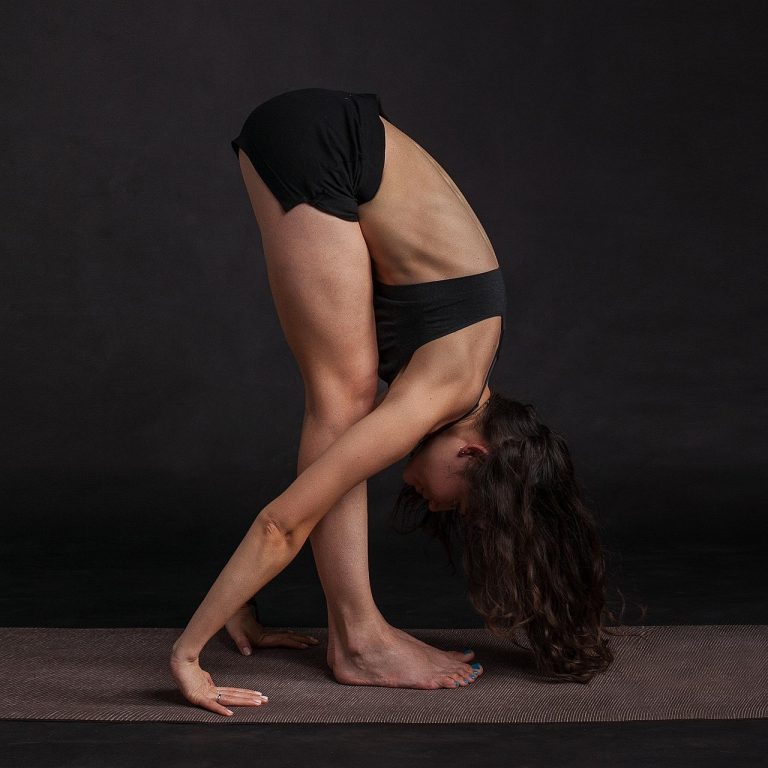
- Hamstring Stretch: Seated toe touch or standing hamstring stretch.
- Quad Stretch: Standing quad stretch holding onto a chair for balance.
- Calf Stretch: Wall calf stretch with one leg back.
- Hip Flexor Stretch: Kneeling hip flexor stretch.
Warm-up and Cool-down Considerations
- Warm-up: Before stretching, warm up your muscles with light cardio, such as walking or jogging in place, for 5-10 minutes. This will increase blood flow to the muscles and make them more pliable. Dynamic stretches are also beneficial during the warm-up.
- Cool-down: After stretching, cool down by walking around and taking a few deep breaths. This will help your body to gradually return to its resting state.
Tips for Maximizing Your Stretching Routine
Consistency is key to reaping the benefits of stretching. Here are some tips to help you stick to your routine and get the most out of it.
Consistency is Key
- Make it a Habit: Schedule your stretching routine at the same time each day to make it a habit. For example, you could stretch first thing in the morning or right before bed.
- Start Small: If you’re new to stretching, start with a short routine (10-15 minutes) and gradually increase the duration as you get more comfortable.
- Listen to Your Body: Avoid pushing yourself too hard, especially when you’re just starting out. Stretching should feel comfortable, not painful.
- Don’t Skip Days: Even if you’re short on time, try to squeeze in a few stretches. A little bit of stretching is better than none.
Proper Technique and Breathing
- Focus on Form: Proper technique is essential to avoid injury. Watch videos or consult with a physical therapist or certified trainer to learn the correct form for each stretch.
- Breathe Deeply: Breathe deeply and evenly throughout each stretch. Holding your breath can increase tension in your muscles and make it harder to stretch.
- Relax Your Muscles: Focus on relaxing your muscles as you stretch. This will allow you to stretch deeper and more effectively.
Common Mistakes to Avoid
- Bouncing: Avoid bouncing during stretches, as this can trigger the stretch reflex and cause muscle tension.
- Holding Your Breath: Remember to breathe deeply and evenly throughout each stretch.
- Stretching Cold Muscles: Always warm up before stretching to reduce the risk of injury.
- Ignoring Pain: Stop stretching immediately if you feel any sharp or intense pain.
Conclusion
A daily stretching routine is a simple yet powerful tool for improving your physical and mental well-being. By incorporating stretching into your daily life, you can increase flexibility, reduce muscle soreness, improve posture, and relieve stress. Remember to assess your current flexibility, choose the right stretches, and be consistent with your routine. With a little dedication, you’ll be well on your way to enjoying the many benefits of a more flexible and mobile body. So, take a few minutes each day to stretch, and experience the difference it can make in your life.