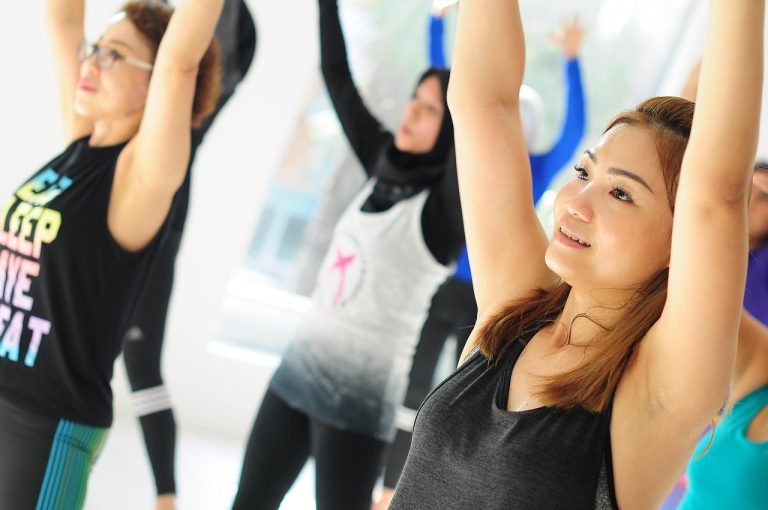
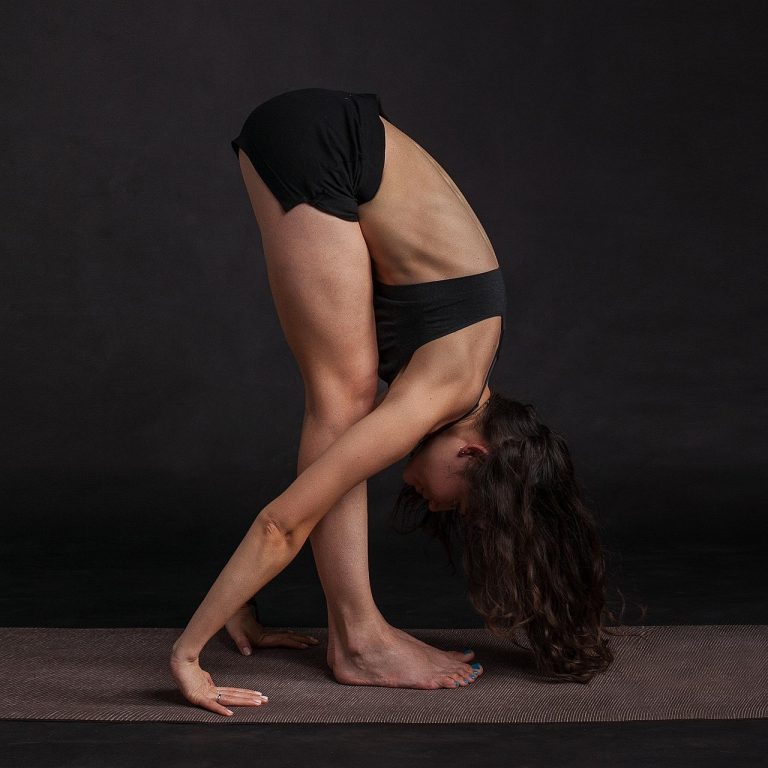
Flexibility isn’t just for gymnasts and dancers; it’s a cornerstone of overall health and well-being. Incorporating regular stretching into your routine can unlock a range of benefits, from reduced muscle soreness and improved posture to enhanced athletic performance and a lower risk of injury. This guide will explore the ins and outs of stretching for flexibility, providing you with the knowledge and tools to make it a sustainable part of your life.
Understanding Flexibility and Its Importance
What is Flexibility?
Flexibility refers to the range of motion in your joints and the ability of your muscles to lengthen. It’s influenced by various factors, including:
- Muscle elasticity
- Joint structure
- Age
- Activity level
- Genetics
Think of it like this: a rubber band. A new, high-quality rubber band has great elasticity (flexibility). An old, dried-out one has limited elasticity and might even snap when stretched. Stretching helps maintain and improve the “rubber band quality” of your muscles.
Why is Flexibility Important?
Flexibility is crucial for several reasons:
- Reduced risk of injury: Flexible muscles are less prone to strains and tears.
- Improved posture: Tight muscles can pull your body out of alignment, leading to poor posture. Stretching helps balance muscle tension.
- Decreased muscle soreness: Stretching after exercise can reduce delayed onset muscle soreness (DOMS).
- Enhanced athletic performance: Greater flexibility allows for a wider range of motion, leading to improved power and efficiency.
- Increased blood flow: Stretching promotes circulation, delivering vital nutrients to muscles and tissues.
- Stress relief: Stretching can help release tension and promote relaxation. Studies show that consistent stretching can lower cortisol levels, the hormone associated with stress.
- Actionable Takeaway: Assess your current flexibility. Can you touch your toes comfortably? Can you easily reach behind your back? Understanding your starting point is key to setting realistic goals.
Types of Stretching
Static Stretching
Static stretching involves holding a stretch for a period of time, typically 15-30 seconds. It’s best performed after a workout when your muscles are already warm.
- Example: Hamstring stretch – Sit on the floor with your legs extended. Reach towards your toes, keeping your back as straight as possible. Hold for 30 seconds.
- Benefits: Improves range of motion, reduces muscle soreness.
- Caution: Avoid bouncing during static stretches, as this can increase the risk of injury.
Dynamic Stretching
Dynamic stretching involves controlled movements that take your joints through their full range of motion. It’s an excellent warm-up before exercise.
- Example: Arm circles – Slowly rotate your arms forward and backward in large circles.
- Benefits: Increases blood flow, prepares muscles for activity.
- Caution: Perform dynamic stretches with control, avoiding jerky movements.
Proprioceptive Neuromuscular Facilitation (PNF) Stretching
PNF stretching involves contracting the muscle being stretched, followed by a period of relaxation. It’s often performed with a partner.
- Example: Contract-relax hamstring stretch – Lie on your back with one leg extended towards the ceiling, held by a partner. Contract your hamstring against your partner’s resistance for 5-10 seconds, then relax and allow your partner to gently stretch your leg further.
- Benefits: Can significantly improve range of motion.
- Caution: Best performed under the guidance of a qualified professional.
Ballistic Stretching
Ballistic stretching uses bouncing movements to force a stretch. It’s generally not recommended for beginners due to the high risk of injury.
- Example: Bouncing while trying to touch your toes.
- Benefits: Potentially increases flexibility if done safely by experienced individuals.
- Caution: High risk of injury; avoid if you are new to stretching.
- Actionable Takeaway: Incorporate both static and dynamic stretching into your routine. Use dynamic stretches before workouts and static stretches afterwards.
Designing Your Stretching Routine
Warm-Up
Never stretch cold muscles. Always warm up for 5-10 minutes before stretching.
- Examples: Light cardio, such as walking, jogging, or jumping jacks.
- Purpose: Increases blood flow to muscles and prepares them for stretching.
Choose the Right Stretches
Focus on stretching major muscle groups, including:
- Hamstrings
- Quadriceps
- Calves
- Hip flexors
- Chest
- Back
- Shoulders
Tailor your stretches to your individual needs and goals. If you spend a lot of time sitting, focus on stretching your hip flexors and hamstrings. If you’re an athlete, incorporate stretches that support your specific sport.
Proper Technique
- Breathe: Breathe deeply and evenly throughout each stretch. Holding your breath can increase tension.
- Listen to your body: Stretch to the point of mild tension, not pain.
- Hold: Hold static stretches for 15-30 seconds.
- Consistency: Aim to stretch at least 2-3 times per week for best results.
Sample Stretching Routine
This routine can be performed after a workout or as a standalone flexibility session.
Hamstring Stretch: Sit and reach for your toes (30 seconds)
Quadriceps Stretch: Standing, grab your ankle and pull your heel towards your buttock (30 seconds each leg)
Calf Stretch: Lean against a wall with one leg extended behind you, heel on the ground (30 seconds each leg)
Hip Flexor Stretch: Kneel with one leg forward and gently push your hips forward (30 seconds each leg)
Chest Stretch: Stand in a doorway and place your forearms on the frame, gently lean forward (30 seconds)
Shoulder Stretch: Reach one arm across your body and use the other arm to pull it closer (30 seconds each arm)
- Actionable Takeaway: Create a personalized stretching routine that targets your specific needs and goals. Write it down and schedule it into your week.
Common Mistakes to Avoid
Stretching Cold Muscles
Stretching cold muscles increases the risk of injury. Always warm up beforehand.
Bouncing
Bouncing during stretches can cause micro-tears in the muscles. Maintain a slow, controlled stretch.
Holding Your Breath
Holding your breath increases tension and restricts blood flow. Breathe deeply and evenly throughout each stretch.
Overstretching
Stretching beyond your limits can lead to injury. Listen to your body and stop if you feel pain.
Inconsistency
Stretching sporadically will not yield significant results. Aim for consistency to see improvements in flexibility. A study published in the Journal of Strength and Conditioning Research showed that consistent stretching (3 times per week for 8 weeks) significantly improved hamstring flexibility.
- Actionable Takeaway: Be mindful of these common mistakes and make sure you are stretching safely and effectively.
Using Props to Enhance Stretching
Foam Rollers
Foam rollers can be used for self-myofascial release, which can help to loosen tight muscles and improve flexibility.
- Example: Foam roll your hamstrings, quadriceps, or back.
Resistance Bands
Resistance bands can be used to assist with stretches, or to add resistance to increase the intensity.
- Example: Use a resistance band to deepen a hamstring stretch by looping it around your foot and pulling your leg closer to your body.
Yoga Blocks
Yoga blocks can provide support and stability during stretches, making them more accessible.
- Example: Use yoga blocks under your hands in a forward fold to reach the ground more easily.
Towels
Towels can be used to extend your reach or to provide support during stretches.
- Example: Use a towel to help you reach your foot in a hamstring stretch if you cannot reach it with your hands.
- Actionable Takeaway:* Experiment with different props to find what works best for you and to enhance your stretching routine.
Conclusion
Incorporating regular stretching into your life is a powerful investment in your overall health and well-being. By understanding the different types of stretching, designing a personalized routine, and avoiding common mistakes, you can unlock the many benefits of increased flexibility. Remember to listen to your body, be patient, and enjoy the journey towards a more flexible and resilient you. Start small, stay consistent, and reap the rewards of improved mobility, reduced pain, and enhanced performance in all aspects of your life.