Unlock Agility: Targeted Stretching For Peak Performance

Unlocking your body’s full potential often starts with something as simple as a well-planned stretching routine. Whether you’re an athlete aiming to improve performance, someone recovering from an injury, or simply looking to increase your daily comfort and flexibility, consistent stretching can be a game-changer. This guide will walk you through building a comprehensive stretching routine tailored to your needs, ensuring you reap the numerous benefits of enhanced flexibility and reduced muscle tension.

Understanding the Importance of Stretching

Benefits of Regular Stretching

Incorporating stretching into your daily or weekly routine offers a wealth of benefits, impacting both your physical and mental well-being.

  • Increased Flexibility and Range of Motion: Stretching helps elongate muscles, improving their ability to move through a full range of motion, reducing stiffness and improving overall mobility. Studies have shown that regular stretching can significantly increase joint range of motion within just a few weeks.
  • Reduced Muscle Tension and Soreness: Stretching can help release built-up tension in muscles, leading to reduced soreness, especially after exercise. This can be crucial for recovery and preventing injuries.
  • Improved Posture: Tight muscles can contribute to poor posture. Stretching can help counter this by loosening these muscles, allowing you to maintain a more natural and upright position.
  • Enhanced Athletic Performance: Increased flexibility allows for more efficient movement, which can translate to improved athletic performance in activities such as running, swimming, and weightlifting.
  • Stress Relief: Stretching promotes relaxation by reducing muscle tension and promoting blood flow. This can help lower stress levels and improve your overall mood.
  • Injury Prevention: Flexible muscles are less prone to strains and tears, reducing the risk of injury during physical activity.

Types of Stretching

Understanding the different types of stretching allows you to choose the most effective methods for your specific goals.

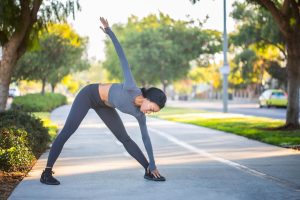
  • Static Stretching: This involves holding a stretch in a comfortable position for a certain period (typically 15-30 seconds). Example: Holding a hamstring stretch by reaching for your toes.
  • Dynamic Stretching: This involves controlled movements that gradually increase your range of motion. Example: Arm circles, leg swings, or torso twists. Dynamic stretching is often recommended before workouts as a warm-up.
  • Ballistic Stretching: This involves bouncing or jerky movements to force a muscle beyond its normal range of motion. This type of stretching carries a higher risk of injury and is generally not recommended.
  • Proprioceptive Neuromuscular Facilitation (PNF) Stretching: This involves contracting the muscle being stretched, followed by a period of relaxation and then further stretching. This method is often used by physical therapists and athletes to improve flexibility.

Creating Your Personalized Stretching Routine

Identifying Your Needs and Goals

Before diving into a routine, consider what you want to achieve. Are you trying to improve flexibility for a specific sport, alleviate back pain, or simply maintain overall well-being? Identifying your goals will help you choose the most appropriate stretches.

  • Assess Current Flexibility: Note any areas of tightness or discomfort. This will help you prioritize which muscles to focus on.
  • Define Specific Goals: Be specific about what you want to achieve. For example, “I want to be able to touch my toes” or “I want to improve my shoulder mobility for swimming.”
  • Consider Your Activity Level: Adjust your routine based on your activity level. Athletes may need a more comprehensive routine than someone who is sedentary.

Sample Full-Body Stretching Routine

Here’s a sample routine that targets major muscle groups. Remember to listen to your body and stop if you feel any pain. Always consult your doctor before starting any new exercise regime.

  • Neck Stretches:

Neck Tilts: Gently tilt your head to the right, bringing your ear towards your shoulder. Hold for 15-30 seconds. Repeat on the left side.

Neck Rotations: Slowly turn your head to the right, looking over your shoulder. Hold for 15-30 seconds. Repeat on the left side.

  • Shoulder Stretches:

Cross-Body Shoulder Stretch: Extend one arm across your body and use your other hand to gently pull it closer. Hold for 15-30 seconds. Repeat on the other side.

Overhead Triceps Stretch: Reach one arm overhead and bend it at the elbow, reaching down towards your upper back. Use your other hand to gently pull your elbow further down. Hold for 15-30 seconds. Repeat on the other side.

  • Chest Stretches:

Doorway Chest Stretch: Place your forearms on a doorway frame, with your elbows bent at 90 degrees. Lean forward until you feel a stretch in your chest. Hold for 15-30 seconds.

  • Back Stretches:

Cat-Cow Stretch: Start on your hands and knees. Inhale as you arch your back and drop your belly towards the floor (cow pose). Exhale as you round your spine and tuck your chin to your chest (cat pose). Repeat 10-15 times.

Child’s Pose: Kneel on the floor with your knees together or slightly apart. Sit back on your heels and fold forward, resting your forehead on the floor. Extend your arms out in front of you. Hold for 30-60 seconds.

  • Hip Stretches:

Butterfly Stretch: Sit on the floor with the soles of your feet together. Gently press your knees towards the floor. Hold for 15-30 seconds.

Pigeon Pose (for advanced flexibility): Start in a push-up position. Bring one knee towards your chest and place it behind your wrist. Extend your back leg straight behind you. Lower your hips towards the floor and fold forward over your front leg. Hold for 30-60 seconds. Repeat on the other side.

  • Hamstring Stretches:

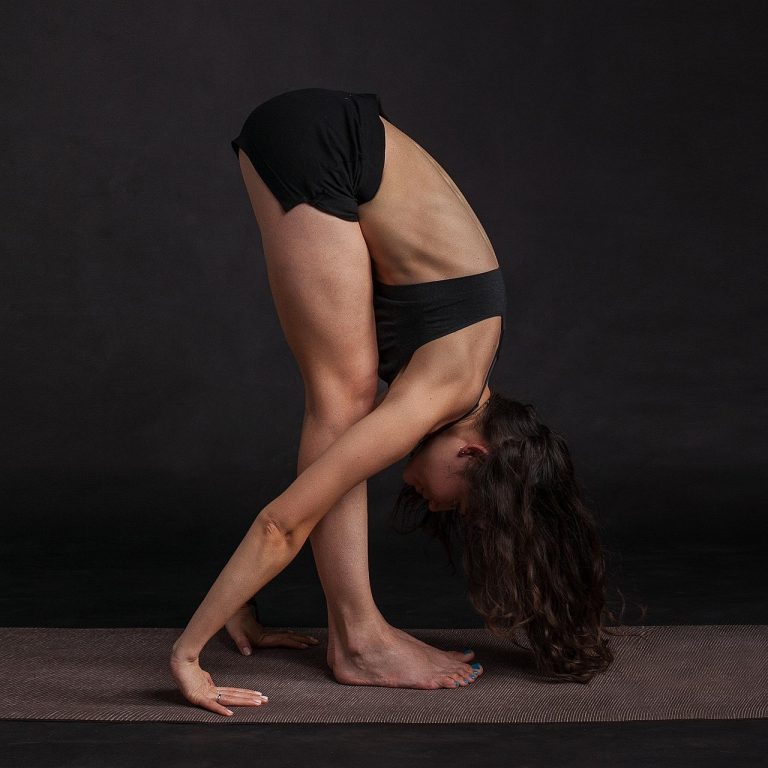
Standing Hamstring Stretch: Stand with your feet hip-width apart. Bend forward from your hips, keeping your back straight. Reach for your toes. Hold for 15-30 seconds.

Seated Hamstring Stretch: Sit on the floor with your legs extended straight out in front of you. Reach for your toes. Hold for 15-30 seconds.

  • Quadriceps Stretches:

Standing Quadriceps Stretch: Stand and hold onto something for balance. Grab your ankle and pull your heel towards your buttock. Hold for 15-30 seconds. Repeat on the other side.

  • Calf Stretches:

* Standing Calf Stretch: Stand facing a wall. Place one foot slightly behind the other. Lean forward, pressing your front knee towards the wall while keeping your back heel on the ground. Hold for 15-30 seconds. Repeat on the other side.

Timing and Frequency

Consistency is key to seeing results. Aim to stretch regularly, even if it’s just for a few minutes each day.

  • Daily Stretching: Ideal for maintaining flexibility and reducing muscle tension. Even a 5-10 minute routine can make a difference.
  • Stretching Before and After Workouts: Dynamic stretching before workouts prepares your muscles for activity, while static stretching after workouts promotes recovery and reduces soreness.
  • Listen to Your Body: Don’t overdo it. Stretching should feel comfortable, not painful.

Tips for Safe and Effective Stretching

Proper Technique

Using proper technique is crucial to avoid injury and maximize the benefits of stretching.

  • Warm-up: Warm up your muscles before stretching. This could involve light cardio, such as jogging or jumping jacks, for 5-10 minutes.
  • Controlled Movements: Avoid bouncing or jerky movements. Stretch slowly and deliberately.
  • Breathe: Breathe deeply and evenly throughout each stretch. Holding your breath can increase muscle tension.
  • Hold Stretches: Hold each stretch for 15-30 seconds.
  • Avoid Pain: Stretching should feel like a gentle pull, not a sharp pain. If you feel pain, stop immediately.
  • Stay Hydrated: Drink plenty of water to keep your muscles hydrated and pliable.

Common Mistakes to Avoid

Awareness of common mistakes can help you ensure you are stretching safely and effectively.

  • Bouncing: Bouncing can cause muscle tears and injuries.
  • Holding Your Breath: Holding your breath increases muscle tension and reduces blood flow.
  • Stretching Cold Muscles: Stretching cold muscles can increase the risk of injury.
  • Overstretching: Overstretching can cause muscle strains and tears.
  • Ignoring Pain: Ignoring pain can lead to more serious injuries.

Integrating Stretching into Your Lifestyle

Making Stretching a Habit

Making stretching a regular part of your routine requires planning and commitment.

  • Schedule It: Set aside a specific time each day or week for stretching.
  • Make It Convenient: Choose a location that is easily accessible and comfortable.
  • Combine It with Other Activities: Stretch while watching TV, listening to music, or reading a book.
  • Track Your Progress: Monitor your flexibility over time to stay motivated.
  • Find a Partner: Stretching with a friend can make it more enjoyable and help you stay accountable.

Conclusion

Incorporating a regular stretching routine into your life is a powerful way to improve your flexibility, reduce muscle tension, and enhance your overall well-being. By understanding the different types of stretching, creating a personalized routine, and following safe techniques, you can unlock your body’s full potential and enjoy the numerous benefits of a more flexible and mobile body. Start small, be consistent, and listen to your body to reap the rewards of a well-rounded stretching practice.